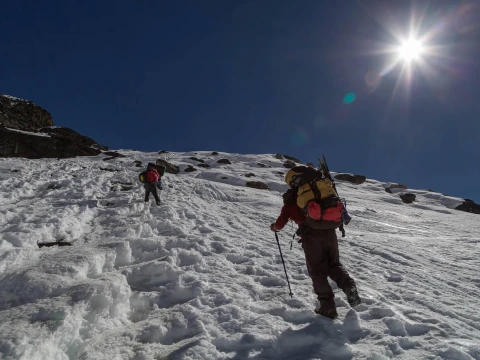
Mera Peak Climbing is one of the most rewarding high-altitude adventures in Nepal, taking you to the summit of Mera Peak (6,461m). This journey combines remote trekking, cultural immersion, and a non-technical mountaineering experience. Unlike the busy trails of Everest Base Camp, the Mera route offers peaceful landscapes, dense forests, and stunning Himalayan views, including Everest, Lhotse, and Makalu.Organised by Cross Border Travel & Tours, this 18-day itinerary is carefully designed for gradual acclimatisation and safety. From exploring Kathmandu to flying into Lukla and trekking through hidden valleys, each day builds toward the ultimate summit push. The climb itself is achievable for physically fit trekkers, making it ideal for those seeking their first Himalayan peak experience.Summit the highest trekking peak in NepalScenic flight to LuklaLess crowded trekking routePanoramic Himalayan viewsBest Season for Mera Peak ClimbingThe best seasons for Mera Peak Climbing are spring (March–May) and autumn (September–November). During these months, the weather in the Himalayas is stable, the skies are clear, and the visibility is excellent. Spring offers blooming rhododendron forests and moderate temperatures, while autumn provides crisp air and the clearest mountain views.Winter (December–February) is extremely cold with heavy snow, making climbing more challenging, while the monsoon season (June–August) brings rain, slippery trails, and poor visibility. Cross Border Travel & Tours recommends planning your climb during peak seasons for the safest and most enjoyable experience.Seasonal Benefits:Spring: Warm weather, blooming landscapesAutumn: Clear skies, best visibilityAvoid monsoon and harsh winter conditionsMera Peak Climbing Difficulty and TransportationMera Peak is considered a moderate trekking peak, suitable for beginners with good fitness levels. While it does not require advanced technical climbing skills, basic mountaineering techniques such as using crampons, ice axes, and ropes are necessary. The biggest challenge is altitude, as climbers reach above 6,000 meters, where proper acclimatisation is essential.Transportation begins with a scenic flight from Kathmandu to Lukla, one of the most thrilling air routes in the world. From Lukla, the trek follows remote trails through Paiya, Panggom, and Khare before reaching high camp. Cross Border Travel & Tours ensures professional guides and proper logistics to make your journey smooth and safe.Key Points:Moderate difficulty, altitude is the main challengeBasic climbing training includedFlight to Lukla and trekking approachGuided expedition for safetyFood and Accommodation for Mera Peak ClimbingDuring the trek, accommodation is mainly in teahouses, which are simple lodges run by local families. Rooms are basic but comfortable, usually with twin beds and shared bathrooms. At higher altitudes, especially near High Camp, camping may be required with full support from the expedition team.Meals include a variety of local and international dishes such as dal bhat (rice and lentils), noodles, soups, and potatoes. Food is nutritious and designed to provide energy for trekking and climbing. Cross Border Travel & Tours ensures hygienic meals and proper nutrition throughout the journey.What to Expect:Teahouse accommodation on trekking daysCamping at higher elevationsNutritious, high-energy mealsWarm hospitality from localsMera Peak Climbing PermitsClimbing Mera Peak requires several permits issued by the Nepalese authorities. These include a climbing permit, a national park or conservation area permit, and local entry permits. All paperwork is handled by Cross Border Travel & Tours, ensuring a hassle-free experience for climbers.The permits not only grant access but also contribute to conservation efforts in the region. It is essential to carry these documents during the trek as they are checked at various checkpoints along the route.Required Permits:Mera Peak climbing permitMakalu Barun National Park permitLocal area permitsTIMS (Trekkers’ Information Management System) cardWhy Choose Mera Peak ClimbingMera Peak is the perfect introduction to Himalayan mountaineering. It offers a balance of adventure and accessibility, allowing climbers to experience high-altitude climbing without extreme technical difficulty. The summit rewards you with breathtaking views of five of the world’s highest mountains.Choosing Cross Border Travel & Tours ensures a professionally organised expedition with experienced guides, proper acclimatisation, and a strong focus on safety. Their local expertise and personalised service make your journey memorable and successful.Reasons to Choose:Ideal first Himalayan peakIncredible panoramic viewsSafe and well-planned itineraryExperienced guides and support team
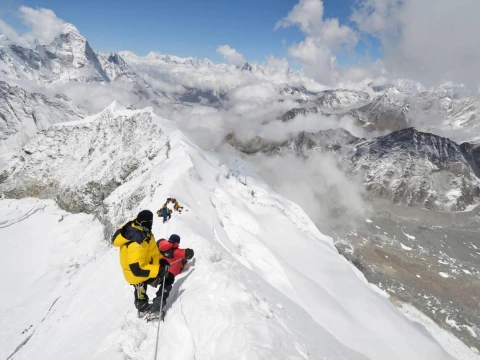
Island Peak (6,189 m) is one of the most popular trekking peaks in Nepal, offering a perfect introduction to Himalayan mountaineering. Located in the Everest region, the climb combines a classic Everest Base Camp trek with a technical summit experience. The journey passes through scenic Sherpa villages, lush forests, glacial rivers, and high alpine landscapes, gradually building up to the final ascent of the peak. This itinerary allows proper acclimatisation, making it safer and more enjoyable for climbers.The climb itself involves glacier travel, use of ropes, and a steep ice headwall near the summit, providing a true alpine experience without requiring extreme technical expertise. With the support of experienced guides from Cross Border Travel & Tours, climbers receive proper training, safety support, and logistical management throughout the journey.Scenic flight to LuklaVisit to Namche Bazaar and Tengboche MonasteryKala Patthar viewpoint hikeTechnical but achievable summit climbStunning views of Everest, Lhotse, and Ama DablamBest Season for Island Peak ClimbingThe best seasons for Island Peak climbing are spring (March to May) and autumn (September to November). During these periods, the weather is generally stable, the skies are clear, and the mountain views are at their best. Spring offers blooming rhododendrons and warmer temperatures, while autumn provides crisp air and excellent visibility after the monsoon season.Winter climbs are possible but extremely cold, while the monsoon season brings heavy rain, slippery trails, and poor visibility. Choosing the right season is essential for both safety and summit success. Cross Border Travel & Tours carefully schedules trips during optimal windows to maximise your chances of a successful climb.Best Time Features:Spring: Mild temperatures, vibrant landscapesAutumn: Clear skies, stable weatherAvoid the monsoon due to rain and landslidesWinter is only for experienced climbersIsland Peak Climbing Difficulty and TransportationIsland Peak is considered moderately difficult, suitable for physically fit trekkers with basic mountaineering skills. The trek involves long walking days at high altitude, while the summit push requires using crampons, harnesses, and fixed ropes. Proper acclimatisation days in Namche and Dingboche are included to reduce altitude sickness risks.Transportation begins with an exciting flight from Kathmandu to Lukla, followed by trekking through the Everest region. All logistics, including porter support and climbing gear coordination, are managed by Cross Border Travel & Tours, ensuring a smooth and well-organised experience.Difficulty & Logistics:Moderate technical difficultyRequires good physical fitnessFlight to Lukla (gateway to Everest)Guided climb with safety equipmentGradual altitude gain for acclimatisationFood and Accommodation for Island Peak ClimbingDuring the trek, accommodation is primarily in teahouses, which provide basic but comfortable lodging with twin-sharing rooms. As you ascend higher, facilities become more basic, but the hospitality remains warm and welcoming. At Island Peak Base Camp, accommodation shifts to tented camping with full support from the crew.Food options include a mix of local and international dishes such as dal bhat, noodles, soups, pasta, and tea. Nutritious meals are essential for maintaining energy levels at high altitude. Cross Border Travel & Tours ensures hygienic food and proper meal planning throughout the journey.Food & Stay Highlights:Teahouse accommodation during trekTented camps at a higher altitudeFreshly prepared mealsVegetarian options are widely availableWarm dining areas in lodgesIsland Peak Climbing PermitsClimbing Island Peak requires several permits issued by the Nepal government and local authorities. These include a climbing permit, national park entry permit, and local municipality fees. Obtaining these permits individually can be complicated, but Cross Border Travel & Tours handles all paperwork efficiently.Having the correct permits ensures legal compliance and supports conservation efforts in the Everest region. Climbers should always carry copies of permits during the trek, as they are checked at multiple points.Required Permits:Island Peak climbing permitSagarmatha National Park entry permitKhumbu Pasang Lhamu rural municipality feeTIMS card (if applicable)Why Choose Island Peak ClimbingIsland Peak climbing is an ideal choice for adventure seekers who want to experience real Himalayan mountaineering without committing to extreme expeditions. It combines trekking and climbing, making it a rewarding and diverse journey. The breathtaking views and cultural immersion add to the uniqueness of the experience.Choosing Cross Border Travel & Tours ensures professional guidance, safety, and personalised service. Their experienced team, attention to detail, and commitment to client satisfaction make them a reliable partner for your Himalayan adventure.Why Choose This Trip:Perfect beginner-friendly climbing peakA combination of trekking and mountaineeringStunning Himalayan panoramasExpert guides and safety supportWell-planned itinerary with acclimatisation
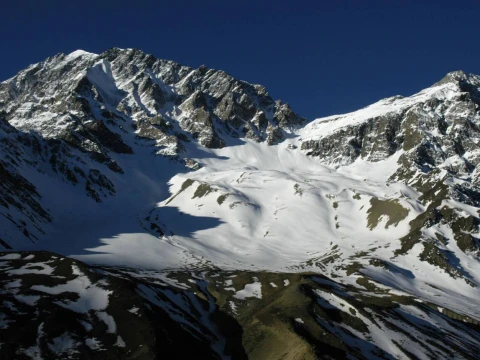
Pisang Peak Climbing (6,091m) is one of Nepal’s most popular trekking peaks, located in the stunning Annapurna Region. The journey begins in Kathmandu and follows the classic Annapurna Circuit route, passing through beautiful villages like Jagat, Dharapani, Chame, and Upper Pisang. Along the way, trekkers experience diverse landscapes—from lush forests and terraced fields to alpine terrain and glacial moraines.The climb itself offers a perfect introduction to mountaineering. The summit push includes glacier travel, snow slopes, and breathtaking Himalayan views of peaks like Annapurna II, III, and Gangapurna. With Cross Border Travel & Tours, the itinerary is carefully designed to ensure proper acclimatisation, safety, and a rewarding summit experience.Scenic Annapurna Circuit trekking routeGradual acclimatisation for safer climbingSpectacular Himalayan panoramasA combination of trekking and technical climbingBest Season for Pisang Peak ClimbingThe best seasons for Pisang Peak Climbing are spring (March–May) and autumn (September–November). During these periods, the weather is stable, skies are clear, and the mountain views are at their best. Spring brings blooming rhododendron forests, while autumn offers crisp air and excellent visibility after the monsoon.Winter (December–February) is much colder with heavy snowfall, making climbing more challenging, while the monsoon season (June–August) brings rain, slippery trails, and poor visibility. For the best experience, Cross Border Travel & Tours recommends planning your trip in peak seasons for optimal safety and enjoyment.Best times:Spring: Mild temperatures, blooming landscapesAutumn: Clear skies, stable conditionsAvoid: Monsoon (rain) and deep winter (extreme cold)Pisang Peak Climbing Difficulty and TransportationPisang Peak is considered a moderate to challenging trekking peak. While it is suitable for beginners with basic mountaineering skills, the high altitude and summit day require strong physical fitness and determination. Climbers should be prepared for steep ascents, the use of ropes, crampons, and ice axes.Transportation involves a mix of road travel and trekking. The journey starts with a drive from Kathmandu to Jagat, followed by days of trekking through the Annapurna region. After completing the climb and crossing Thorong La Pass, the return includes a flight from Jomsom to Pokhara.Key points:Moderate technical climb (basic skills required)High altitude challenges above 5,000mRoad + trekking + domestic flight combinationProfessional guides enhance safetyFood and Accommodation for Pisang Peak ClimbingDuring the trek, accommodation is mainly in teahouses—simple lodges run by locals offering basic but comfortable rooms. In higher elevations, facilities become more limited, and at base camp/high camp, tents are used for overnight stays. Cross Border Travel & Tours ensures well-organised camping arrangements with proper gear and support staff.Food options include a mix of Nepali and international dishes such as dal bhat, noodles, soups, pasta, and tea. At higher altitudes, meals become simpler but are designed to provide enough energy for trekking and climbing. Hygiene and nutrition are carefully managed to keep trekkers healthy.Facilities include:Teahouse lodging during trekTent accommodation at higher campsNutritious meals (local + international)Safe drinking water arrangementsPisang Peak Climbing PermitsClimbing Pisang Peak requires several permits issued by the Nepal Mountaineering Association and local authorities. These permits are essential for both trekking and climbing in the Annapurna region. Cross Border Travel & Tours handles all permit arrangements, saving you time and ensuring compliance with regulations.The required permits include the Annapurna Conservation Area Permit (ACAP), TIMS card, and Pisang Peak climbing permit. Costs vary depending on the season, with higher fees during peak climbing months.Required permits:Pisang Peak climbing permitACAP (Annapurna Conservation Area Permit)TIMS (Trekkers’ Information Management System)Why Choose Pisang Peak ClimbingChoosing Pisang Peak means combining adventure, culture, and natural beauty in one journey. It is ideal for trekkers looking to step into mountaineering without committing to highly technical expeditions. The route offers rich cultural encounters with Gurung and Tibetan-influenced communities, making the experience even more meaningful.With Cross Border Travel & Tours, you benefit from experienced guides, well-planned logistics, and personalised service. Their focus on safety, acclimatisation, and customer satisfaction ensures a smooth and memorable climbing experience from arrival to departure.Why go for it:Perfect beginner-friendly climbing peakDiverse landscapes and cultural exposureProfessional guidance and logisticsHigh success rate with proper acclimatisation
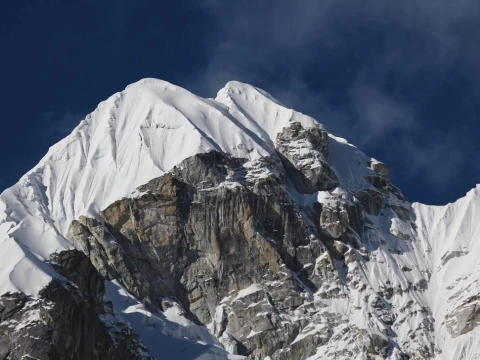
Lobuche Peak is one of the most sought-after trekking peaks in the Everest region of Nepal, standing tall at 6,119 meters (South Peak). Managed by the Nepal Mountaineering Association, this climb offers a combination of high-altitude trekking and mountaineering experience. The journey to Lobuche Peak starts from the bustling Namche Bazaar and passes through scenic landscapes, including rhododendron forests, high alpine meadows, and glaciers. The ascent gives climbers the chance to witness iconic Himalayan giants such as Mount Everest, Lhotse, Nuptse, and Ama Dablam up close.Climbing Lobuche Peak is ideal for adventurers who have some prior trekking or basic mountaineering experience. The climb itself is not technically extremely difficult, but it demands physical endurance, mental preparation, and acclimatization to high altitudes. With the guidance of experienced sherpas and expert leaders from Cross Border Travel & Tours, climbers can safely navigate ice slopes, crevasses, and steep rocky sections while enjoying the breathtaking panoramic views. The journey not only challenges the body but also provides a profound sense of accomplishment for mountaineering enthusiasts.Summit height: 6,119 m (South Peak)Spectacular views of Everest, Lhotse, and Ama DablamA combination of trekking and technical climbingGuided by experienced SherpasBest Season for Lobuche Peak ClimbingThe ideal time to climb Lobuche Peak is during the pre-monsoon (spring) and post-monsoon (autumn) seasons. Spring, from March to May, offers clear skies, moderate temperatures, and blooming rhododendron forests along the trekking route. Autumn, from late September to November, is equally spectacular, with crisp weather and excellent visibility, making it perfect for photography and high-altitude trekking.Winter months can be extremely cold with heavy snowfall, making the climb riskier due to icy and unstable conditions. The monsoon season (June to early September) is generally avoided because of landslides, slippery trails, and limited visibility. Planning your expedition during the recommended seasons ensures safer trekking, pleasant weather, and the best panoramic views of the surrounding Himalayan peaks.Best seasons at a glance:Spring: March – MayAutumn: Late September – NovemberAvoid: Monsoon (June – early September), harsh winter monthsLobuche Peak Climbing Difficulty and TransportationClimbing Lobuche Peak is considered a moderate to challenging expedition. While it doesn’t require advanced technical climbing skills, climbers need to be comfortable with ice and rock climbing techniques. The final ascent involves steep snow slopes, glacier crossings, and a mix of ice and rock sections. Proper training in crampon and ice axe use is essential.Transportation to Lobuche starts with a flight from Kathmandu to Lukla, the gateway to the Everest region. From Lukla, trekkers follow the well-trodden trail through Phakding, Namche Bazaar, Tengboche, Dingboche, and finally Lobuche. The trek is physically demanding, but the steady progression allows proper acclimatization. On summit day, climbers make an early morning ascent, returning to the high camp afterward. Cross Border Travel & Tours ensures all transport logistics, trekking guides, and safety equipment are organized for a smooth experience.Quick facts:Trekking days before summit: 6–8 daysTechnical difficulty: ModerateTransportation: Kathmandu → Lukla (flight) → Trekking routeFood and Accommodation for Lobuche Peak ClimbingDuring the Lobuche Peak expedition, trekkers are accommodated in tea houses or lodges along the trail. These lodges provide basic but comfortable sleeping arrangements, often with warm blankets, shared bathrooms, and limited electricity. At higher altitudes, especially near Lobuche High Camp, accommodation becomes more rustic, focusing on safety and rest.Meals are primarily Nepali and Tibetan cuisine, including dal bhat (rice and lentils), noodles, soups, and vegetable dishes. Adequate hydration and high-calorie meals are essential for maintaining energy levels at altitude. Cross Border Travel & Tours carefully plans meal arrangements and guides what to carry for summit day, including energy snacks, water, and light supplements.Accommodation & food highlights:Tea houses/lodges along the trekking routeBasic high-altitude camp near Lobuche PeakNutritious meals with emphasis on high-calorie foodsHot beverages and soups for energyLobuche Peak Climbing PermitsClimbers are required to obtain a Nepal Mountaineering Association (NMA) permit for Lobuche Peak. This ensures safety, monitoring, and adherence to climbing regulations. Additionally, trekkers need the Sagarmatha National Park entry permit and the Khumbu Pasang Lhamu Rural Municipality fee.The permit process involves providing personal information, climbing dates, and a certified guide. Cross Border Travel & Tours handles all the required permits in advance, so climbers can focus entirely on the journey. Proper permits are mandatory and contribute to supporting conservation and local communities in the Everest region.Permit checklist:Nepal Mountaineering Association (NMA) permitSagarmatha National Park entry permitKhumbu Pasang Lhamu Rural Municipality feeWhy Choose Lobuche Peak Climbing with Cross Border Travel & ToursChoosing Cross Border Travel & Tours ensures a safe, organized, and unforgettable climbing experience. The company offers certified guides, experienced Sherpas, comprehensive acclimatization plans, and all necessary gear. Safety is a priority, with oxygen and first-aid support readily available.Beyond logistics, Cross Border Travel & Tours provides cultural immersion opportunities, allowing climbers to interact with Sherpa communities and experience the unique traditions of the Khumbu region. The combination of professional guidance, personalized support, and the breathtaking Himalayan backdrop makes Lobuche Peak climbing an adventure of a lifetime.Why choose them:Certified guides and experienced SherpasSafety and medical supportAll permit and trekking logistics handledCultural immersion in the Everest regionProfessional high-altitude expedition planning
Feel free to inquire, and together, we'll design the perfect journey to suit your preferences and desires.


 (2)
(2)  100% recommend (0)
 (0)
(0)