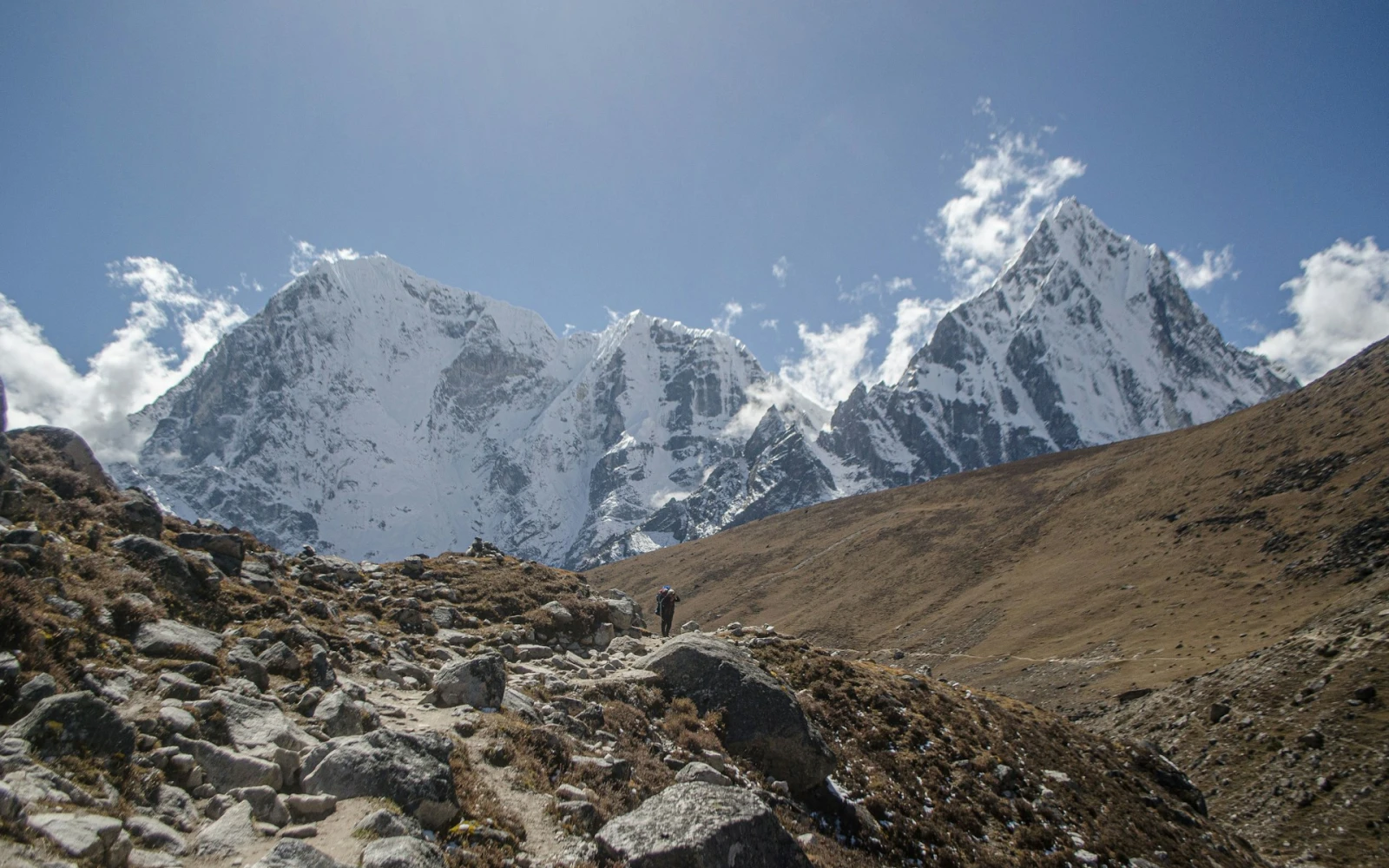
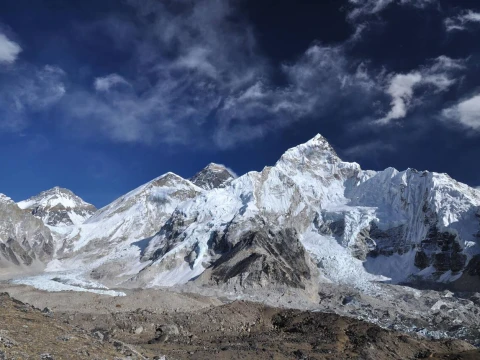
The Everest Base Camp Trek is one of the most iconic and sought-after trekking adventures in the world. Starting from Kathmandu, the journey takes trekkers through lush valleys, terraced fields, and Sherpa villages before reaching the heart of the Himalayas. The trek provides spectacular views of some of the world’s highest peaks, including Mount Everest, Lhotse, Ama Dablam, and Nuptse. Each day offers a mix of challenging trails, cultural encounters, and breathtaking landscapes, making it a once-in-a-lifetime experience.Cross Border Travel & Tours ensures a seamless experience from your arrival in Kathmandu to your final departure. The itinerary is carefully planned to provide proper acclimatization, cultural immersion, and adventure. Highlights include the bustling Sherpa town of Namche Bazaar, the spiritual Tengboche Monastery, and the dramatic Khumbu Glacier on the final approach to Everest Base Camp. Hikers also have the opportunity to ascend Kala Patthar for panoramic sunrise and sunset views over Everest, offering an unforgettable photo opportunity.Fly from Kathmandu to Lukla, entering the Khumbu region.Explore Sherpa villages and traditional monasteries.Trek to Everest Base Camp and Kala Patthar for epic mountain views.Cultural experiences and interaction with local communities.Best Season for Everest Base Camp TrekThe best time to trek to Everest Base Camp is during the pre-monsoon (March to May) and post-monsoon (late September to November) seasons. During these periods, the weather is generally stable, the skies are clear, and mountain visibility is at its peak. Spring (March–May) is also the season when rhododendrons bloom, adding vibrant colors to the Himalayan landscape. Autumn (late September–November) is ideal for photographers due to crisp air and stunning sunrises.Winter treks (December–February) are possible but come with extreme cold and heavy snow, making some trails challenging. The monsoon season (June–August) is not recommended due to heavy rainfall, landslides, and slippery trails. Choosing the right season is crucial for both safety and the overall trekking experience. Cross Border Travel & Tours guides you on the optimal travel time based on your fitness level and preferences.Best season highlights:Spring: Rhododendron blooms and moderate temperatures.Autumn: Clear skies and spectacular visibility.Avoid the monsoon for safety reasons.Winter treks for experienced adventurers only.Everest Base Camp Trek Difficulty and TransportationThe Everest Base Camp Trek is moderate to strenuous, requiring a good level of fitness, stamina, and mental preparedness. Trekkers face long daily hikes ranging from 4–8 hours, steep ascents, and high-altitude conditions above 5,000 meters. The key challenges are altitude acclimatization, variable weather conditions, and physically demanding trails. Proper preparation and pacing are essential to reduce the risk of altitude sickness.Transportation to the trek begins with a scenic flight from Kathmandu to Lukla, which is often considered an adventure in itself due to the short mountain runway. From Lukla, trekking is the primary mode of travel, crossing suspension bridges, river valleys, and rugged paths. Helicopter transfers can be arranged in emergencies, but most trekkers rely on the well-established trails maintained by local communities.Trek difficulty and transportation points:Moderate to strenuous trekking with altitude challenges.Daily trekking 4–8 hours on average.Fly from Kathmandu to Lukla for a thrilling start.Trekking is the primary mode of transport, supported by guides and porters.Food and Accommodation for Everest Base Camp TrekFood and accommodation on the trek are generally comfortable but basic. Tea houses and lodges along the trail provide warm meals, clean rooms, and shared bathrooms. Breakfast typically includes porridge, eggs, and local breads, while lunch and dinner offer soups, noodles, rice, and occasional meat dishes. Most tea houses also serve international dishes for trekkers seeking variety.Accommodation in Kathmandu and Lukla is hotel-based, ranging from 3-star to luxury options, ensuring comfort before and after the trek. Along the trail, lodges are simple but safe, providing warm bedding and a place to rest after a long day of trekking. Cross Border Travel & Tours arranges all accommodations in advance, ensuring trekkers have reliable and hygienic lodging at each stop.Food and accommodation highlights:Tea houses with local and international meals.Lodges with basic yet comfortable rooms.Warm bedding for cold nights at high altitude.Hotel accommodation in Kathmandu before and after the trek.Everest Base Camp Trek PermitsTo trek in the Everest region, two main permits are required: the Sagarmatha National Park Permit and the TIMS (Trekkers’ Information Management System) Card. The Sagarmatha National Park Permit ensures the protection of the environment and local wildlife, while the TIMS card tracks trekkers for safety and security purposes. These permits are mandatory for all travelers and are strictly enforced by local authorities.Cross Border Travel & Tours handles all permit arrangements, ensuring a hassle-free start to the trek. Carrying proper identification and keeping the permits accessible during the trek is essential, as park officials may check at multiple points along the route. These permits also contribute to the local economy and conservation efforts, helping maintain the beauty of the Khumbu region.Permit requirements:Sagarmatha National Park Permit (for all trekkers).TIMS Card for individual tracking and safety.Arranged by Cross Border Travel & Tours for convenience.Why Choose Everest Base Camp TrekChoosing the Everest Base Camp Trek with Cross Border Travel & Tours ensures a safe, organized, and unforgettable journey. The company provides professional guides, trained porters, and carefully planned itineraries that balance adventure with acclimatization and cultural experiences. Safety, comfort, and local engagement are key priorities, allowing trekkers to fully enjoy the stunning landscapes and Sherpa hospitality.This trek offers more than just a hike; it is a journey of self-discovery, endurance, and connection with the world’s highest peaks. With experienced staff, logistical support, and deep knowledge of the Everest region, Cross Border Travel & Tours ensures your trek is smooth and memorable from start to finish. Whether you are a first-time trekker or an experienced adventurer, the company tailors services to your needs.Reasons to choose Cross Border Travel & Tours:Experienced guides and trained porters.Fully arranged permits, accommodation, and meals.Focus on safety, acclimatization, and local culture.Tailored itineraries for every level of trekker.
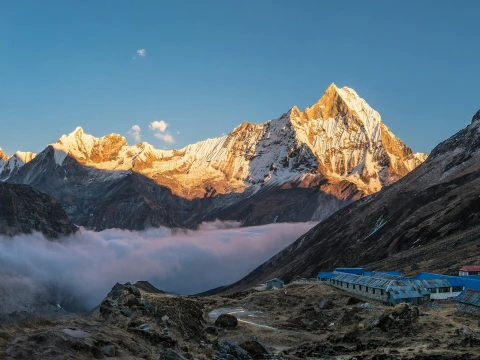
The Annapurna Base Camp (ABC) Trek is one of Nepal's most iconic trekking experiences, offering breathtaking views of towering Himalayan peaks such as Annapurna I, Machapuchare (Fishtail), and Hiunchuli. Starting from the cultural hub of Kathmandu, trekkers drive to Pokhara, the gateway to the Annapurna region. The journey then continues to Nayapul, where the trekking adventure begins, passing through scenic villages like Ghandruk and Chomrong, dense forests, terraced fields, and suspension bridges. The highlight is reaching the Annapurna Base Camp at 4,130 meters, where the panoramic view of snow-capped peaks at sunrise is simply unforgettable.This trek combines natural beauty, cultural richness, and adventure. Along the route, trekkers interact with local Gurung and Magar communities, experience traditional Nepali hospitality, and walk through rhododendron forests and high-altitude landscapes. Each day offers a new perspective, whether it’s the cascading waterfalls near Chomrong or the thermal springs at Jhinu Danda. The return journey descends gradually, allowing trekkers to enjoy the lush valleys and serene villages once more.Views of Annapurna Massif and MachapuchareCultural experiences in Ghandruk and ChomrongRhododendron forests and waterfallsSunrise at Annapurna Base CampBest Season for Annapurna Base Camp TrekThe Annapurna region is accessible year-round, but the best trekking seasons are spring (March–May) and autumn (September–November). Spring showcases blooming rhododendrons, moderate temperatures, and clear skies, perfect for photography and mountain vistas. Autumn follows the monsoon season, offering crisp air, excellent visibility, and stable weather, making it ideal for summit views.Winter treks (December–February) are quieter but colder, and some higher trails may have snow. Summer (June–August) brings monsoon rains, making trails slippery and landslides more likely. Choosing the right season ensures both safety and the most rewarding visual experience at the Base Camp.Key Points:Spring: blooming rhododendrons, mild weatherAutumn: clear skies, peak visibilityWinter: fewer crowds, colder temperaturesSummer: monsoon, slippery trailsAnnapurna Base Camp Trek Difficulty and TransportationThe ABC trek is considered moderate in difficulty, suitable for physically fit beginners and seasoned trekkers. Daily trekking ranges from 4–7 hours, with gradual altitude gain up to 4,130m. Proper acclimatization is crucial to avoid altitude sickness, especially when ascending from Deurali to ABC.Transportation to the trekking region is convenient with tourist buses from Kathmandu to Pokhara and private or shared vehicles to Nayapul, saving time and providing comfort before the trekking journey begins. Local guides and porters offered by Cross Border Travel & Tours make the trek more manageable, providing support with luggage and route navigation.Key Points:Moderate trek, 4–7 hours/dayMaximum altitude: 4,130m (ABC)Transportation: bus or car to NayapulGuides and porters recommendedFood and Accommodation for Annapurna Base Camp TrekAlong the trek, accommodation is primarily in teahouses, small lodges run by local families. Rooms are basic but comfortable, offering warm meals, hot showers (available for a fee), and opportunities to interact with locals. Common dishes include Dal Bhat (rice and lentils), noodles, momo (dumplings), and soups, which provide high-energy meals for trekkers.Trekkers are advised to carry water purification tablets or a refillable water bottle. Cross Border Travel & Tours ensures teahouse stays are pre-arranged for convenience, comfort, and hygiene, making the trekking experience smooth and worry-free.Key Points:Lodging in local teahousesTraditional Nepali meals (Dal Bhat, momo, soups)Warm showers and basic amenitiesWater purification recommendedAnnapurna Base Camp Trek PermitsTo trek in the Annapurna region, two permits are required:Annapurna Conservation Area Permit (ACAP) – mandatory for all trekkersTrekkers’ Information Management System (TIMS) Card – ensures safety and trackingThese permits help maintain environmental protection and trekking regulation in the region. Cross Border Travel & Tours assists trekkers with obtaining all necessary permits before the journey, ensuring a hassle-free start.Key Points:ACAP and TIMS requiredIssued in Kathmandu or PokharaManaged by trekking agencies for convenienceWhy Choose Annapurna Base Camp TrekChoosing the ABC trek with Cross Border Travel & Tours guarantees a seamless adventure with professional guides, safe trekking routes, and local cultural insights. The trek offers a blend of adventure, natural beauty, and authentic Nepali culture. Sunrise over the Annapurna range, the warm hospitality of teahouses, and the thrill of reaching the Base Camp make it a life-changing experience.Whether you are a beginner or an experienced trekker, ABC Trek provides a perfect balance of challenge, scenery, and cultural immersion. The company ensures safety, comfort, and a memorable journey that stays with you forever.Key Points:Experienced guides and support staffSafe and well-organized trekking routesCultural immersion in local villagesUnmatched mountain scenery
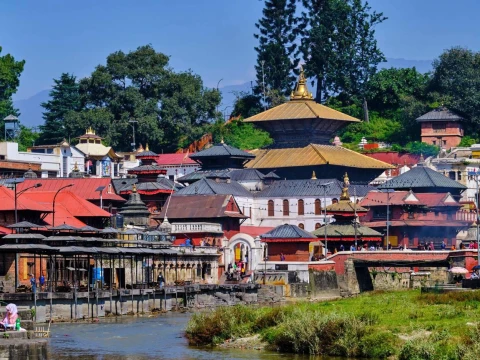
The Hindu Pilgrimage Tour in Nepal, organized by Cross Border Travel & Tours, is an immersive journey through the spiritual heart of the country. This 10-day itinerary combines the rich cultural heritage of the Kathmandu Valley with sacred temples, ancient towns, and the serene landscapes of Pokhara and Muktinath. Pilgrims get the opportunity to explore renowned sites such as Pashupatinath Temple, Changu Narayan Temple, Bhaktapur Durbar Square, and the revered Manakamana and Muktinath Temples. The tour is carefully curated to blend spiritual experiences with cultural sightseeing, allowing travelers to connect deeply with Nepalese Hindu traditions.Each day is designed to offer both exploration and contemplation. For example, Day 2 focuses entirely on Kathmandu’s sacred Hindu sites, while Days 4–7 take you to the spiritual sanctuaries of Manakamana and Muktinath, accessible via scenic drives and flights. Travelers will enjoy not only temple visits but also the mesmerizing landscapes of the Himalayas, tranquil rivers, and historical towns, creating a holistic pilgrimage experience.Sacred Hindu temples in Kathmandu ValleyCultural heritage sites in Bhaktapur and ChangunarayanScenic journeys to Manakamana and MuktinathSpiritual immersion combined with cultural explorationBest Season for Hindu Pilgrimage Tour in NepalThe ideal time for a Hindu Pilgrimage Tour in Nepal is during the spring (March–May) and autumn (September–November) seasons. These periods provide clear skies, pleasant temperatures, and the best visibility of the Himalayas. The weather is ideal for both temple visits in the valleys and higher-altitude destinations like Muktinath, ensuring comfort throughout the journey. Monsoon season (June–August) is less recommended due to heavy rainfall, landslides, and occasional flight cancellations in mountainous areas.Spring offers blooming rhododendrons and lush green landscapes, while autumn brings crisp air and vibrant cultural festivals in towns like Bhaktapur and Kathmandu. Visiting during these seasons allows pilgrims to witness local religious celebrations, adding a deeper spiritual connection to the journey. Travelers can also enjoy photography opportunities in stunning natural and cultural settings.Best seasons at a glance:Spring (March–May): Blooming flowers, pleasant weatherAutumn (September–November): Clear skies, festival seasonAvoid: Monsoon (June–August) due to rainfallHindu Pilgrimage Tour in Nepal: Difficulty and TransportationThe Hindu Pilgrimage Tour in Nepal is moderate in difficulty, suitable for pilgrims and travelers with basic fitness. While most temple visits and city explorations are easy walks, some destinations like Muktinath require acclimatization at higher altitudes. The tour includes a mix of drives, short treks, and domestic flights, making it accessible for travelers without extensive trekking experience.Transportation is organized by Cross Border Travel & Tours for convenience and safety. Comfortable vehicles are provided for valley sightseeing and mountain drives, while flights connect Pokhara to Jomsom, saving time and avoiding long road journeys in rugged terrain. Local guides assist pilgrims at each site, providing historical and spiritual context, ensuring a smooth and enriching experience.Transportation & difficulty highlights:Moderate physical activity, some uphill walksComfortable car transfers in valleys and plainsDomestic flights: Pokhara → Jomsom, optional return flightsGuides at every major temple and heritage siteFood and Accommodation for Hindu Pilgrimage Tour in NepalDuring the pilgrimage tour, travelers are offered safe and hygienic food options with an emphasis on vegetarian meals, aligning with Hindu dietary practices. Most hotels and guesthouses provide both Nepali and continental meals. Local cuisines include dal bhat (lentils and rice), vegetable curries, and fresh fruits. Pilgrims will also enjoy traditional tea and snacks during temple visits or drives.Accommodation is carefully selected for comfort and convenience. In Kathmandu and Pokhara, 3–4 star hotels with modern amenities are standard, while guesthouses near Muktinath provide cozy lodging with breathtaking mountain views. Cross Border Travel & Tours ensures that all accommodations are clean, secure, and strategically located near pilgrimage sites for easy access.Food & accommodation highlights:Vegetarian-friendly meals with local Nepali cuisineClean 3–4 star hotels in citiesComfortable guesthouses near MuktinathTea and snack stops en route for convenienceHindu Pilgrimage Tour in Nepal PermitsMost Hindu pilgrimage sites in Nepal are open to all visitors, but some may require entry tickets or special permits, particularly in protected areas like Muktinath. Cross Border Travel & Tours arranges all necessary permits and tickets in advance to ensure a hassle-free journey. Pilgrims traveling to high-altitude regions may also need health and travel clearances.It’s advisable to carry a valid passport, and foreign travelers should ensure they have the appropriate Nepal visa. Some temples may have dress codes and rules for photography, which guides will help travelers observe respectfully.Permit essentials:Entry tickets for heritage sites and templesPermits for protected areas (e.g., Muktinath)Passport and Nepal visa requirementsAdherence to temple rules and dress codesWhy Choose Hindu Pilgrimage Tour in NepalChoosing the Hindu Pilgrimage Tour in Nepal with Cross Border Travel & Tours ensures a well-organized, spiritually enriching, and culturally immersive experience. The company provides experienced guides, comfortable transportation, and carefully selected accommodations to cater to both spiritual and comfort needs.This tour is ideal for pilgrims seeking a deeper connection with Hindu traditions while enjoying Nepal’s natural beauty and heritage. From the sacred ghats of Pashupatinath to the serene altars of Muktinath, every step is designed to inspire devotion, reflection, and appreciation for Nepal’s spiritual legacy. Travelers also benefit from small group sizes, personalized itineraries, and the assurance of safety and comfort throughout the journey.Reasons to choose this tour:Expert guides and an organized itineraryComfort and safety in travel and accommodationSpiritual immersion in iconic Hindu templesScenic routes combining nature and culture
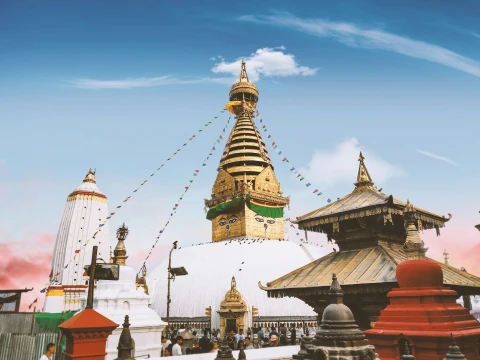
The Buddhist Pilgrimage Tour in Nepal offered by Cross Border Travel & Tours is a spiritual journey through some of the most sacred sites in the Himalayan kingdom. This tour combines cultural immersion, meditation, and scenic landscapes. Starting in Kathmandu, travellers visit world-famous Buddhist monasteries, stupas, and temples, including Boudhanath Stupa, Kapan Monastery, and Swayambhunath Stupa, each carrying deep historical and spiritual significance. The journey continues to Pokhara, home to serene lakes, the World Peace Pagoda, and Tibetan refugee settlements, offering insights into modern Buddhist communities. The pilgrimage concludes in Lumbini, the birthplace of Lord Buddha, where visitors can explore the sacred garden, monastic zones, and international temples built by Buddhist communities from across the globe.This tour is ideal for both first-time visitors to Nepal and experienced pilgrims. It blends spiritual learning with natural beauty, giving travellers a sense of inner peace while also offering opportunities to witness the Himalayan culture and lifestyle. The itinerary has been thoughtfully designed to balance temple visits, sightseeing, and quiet reflection. Highlights include:Kathmandu: Boudhanath, Kapan Monastery, SwayambhunathPokhara: World Peace Pagoda, Malepatan Gumba, Tibetan Refugee CampLumbini: Maya Devi Temple, Monastic Zone, Sacred GardenBest Season for Buddhist Pilgrimage Tour in NepalThe ideal time for a Buddhist pilgrimage in Nepal is autumn (September to November) and spring (March to May). During these months, the weather is clear, temperatures are moderate, and the visibility of the Himalayan peaks is excellent. Autumn offers festive energy with cultural events and vibrant landscapes, while spring presents blooming rhododendrons and fresh greenery around the monasteries.Winter (December to February) can be chilly, especially in high-altitude areas like Pokhara, whereas the monsoon season (June to August) brings heavy rainfall, slippery roads, and potential delays. Choosing the right season ensures a comfortable journey and a better spiritual experience without weather-related interruptions.Season Highlights:Autumn: Clear skies, festivals, pleasant temperaturesSpring: Blooming landscapes, fresh air, mild weatherAvoid Monsoon: Slippery roads and heavy rainsBuddhist Pilgrimage Tour in Nepal: Difficulty and TransportationThe pilgrimage is moderate in difficulty. Most sightseeing is done by car or short walks around religious sites. Kathmandu and Lumbini are mostly urban and flat, while Pokhara has mild hills for trekking to pagodas and monasteries. Pilgrims should be prepared for short hikes, some uneven terrain, and occasional stairs in monasteries.Transportation is mainly via private vehicle arranged by Cross Border Travel & Tours. This ensures a safe, comfortable journey between cities. Internal flights can be added if travellers prefer to reduce road travel times, especially from Pokhara to Lumbini or vice versa.Transportation Tips:Private car with driver for city-to-city transfersShort walking and trekking in monasteries and pagodasOptional internal flights for longer distancesFood and Accommodation for Buddhist Pilgrimage Tour in NepalMeals during the pilgrimage focus on Nepali and vegetarian-friendly cuisine, respecting Buddhist dietary practices where possible. Travellers can enjoy local specialties such as momo (dumplings), dal bhat (lentil rice), and thukpa (noodle soup). Hotels are carefully selected by Cross Border Travel & Tours to ensure comfort, cleanliness, and proximity to pilgrimage sites.Accommodation ranges from 3-star to boutique hotels near key locations. In Lumbini, stays are within walking distance of the Maya Devi Temple, allowing pilgrims to visit the sacred site early in the morning before the crowds arrive.Food and Stay Highlights:Vegetarian-friendly Nepali cuisineHotels close to pilgrimage sitesClean, comfortable, and culturally authentic lodgingBuddhist Pilgrimage Tour in Nepal PermitsNo special permits are required for most pilgrimage sites in Nepal. However, travellers visiting Lumbini may need entry tickets for the Maya Devi Temple and monastic zones. It is advisable to carry identification (passport) for ticketing purposes. Cross Border Travel & Tours handles all local arrangements, including tickets and entry permissions, ensuring a smooth, hassle-free journey.Permit Highlights:Maya Devi Temple ticket in LumbiniNo permits needed for Kathmandu and Pokhara sitesPassport recommended for verificationWhy Choose Buddhist Pilgrimage Tour in NepalChoosing Cross Border Travel & Tours ensures a spiritually enriching experience without the stress of logistics. Their expert guides provide deep insights into Buddhist history, meditation practices, and the significance of each site. The tours are carefully curated to balance reflection, exploration, and comfort, making them suitable for all ages.The combination of historical sites, scenic landscapes, and cultural immersion allows travellers to experience Buddhism holistically. Pilgrims can meditate in monasteries, witness traditional rituals, and interact with local monks, creating unforgettable spiritual memories.Reasons to Choose:Expert guidance on Buddhist heritageComfortable travel and accommodationBalanced itinerary combining spirituality, culture, and nature
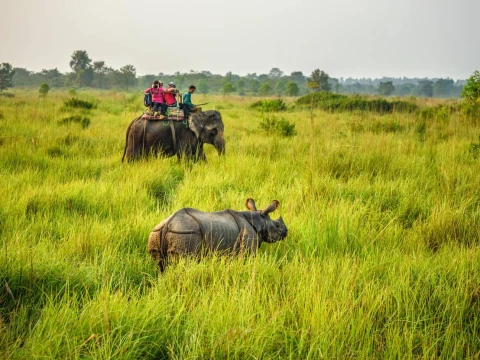
The Nepal Highlight Tour is a carefully crafted journey that blends culture, nature, and adventure into a 10-day experience. Starting in Kathmandu, the tour immerses travelers in ancient temples, UNESCO World Heritage Sites, and vibrant local life. You will explore historical landmarks before heading to scenic hill stations like Nagarkot, known for breathtaking Himalayan sunrise views.The journey continues toward Pokhara, a beautiful lakeside city offering stunning mountain backdrops and peaceful surroundings. From there, you visit charming hill towns like Bandipur and wildlife-rich regions such as Chitwan National Park, where jungle safaris and cultural encounters await. This itinerary is ideal for travelers seeking a balanced experience of Nepal’s highlights.Cultural exploration in Kathmandu ValleySunrise view from NagarkotLakes and mountains in PokharaTraditional village experience in BandipurWildlife safari in Chitwan National ParkBest Season for Nepal Highlight TourThe best time to enjoy the Nepal Highlight Tour is during spring (March to May) and autumn (September to November). During these seasons, the weather remains pleasant with clear skies, offering excellent views of the Himalayas. Spring brings blooming rhododendrons, while autumn offers crisp air and vibrant festivals.Winter (December to February) is also suitable, especially for cultural tours, although mornings and evenings can be cold. Monsoon season (June to August) is less ideal due to rainfall, but it offers lush greenery and fewer crowds for those who prefer a quieter experience.Recommended Seasons:Spring: Clear skies and blooming landscapesAutumn: Best mountain visibility and festivalsWinter: Quiet travel with mild daytime weatherMonsoon: Green scenery with fewer touristsNepal Highlight Tour Difficulty and TransportationThis tour is considered easy and suitable for all age groups, including families and senior travelers. It involves minimal physical effort, mostly sightseeing, short walks, and comfortable travel between destinations. No trekking or strenuous activities are required, making it accessible to beginners.Transportation is arranged by private vehicles for comfort and convenience. Scenic drives between cities like Kathmandu, Pokhara, and Chitwan allow you to enjoy Nepal’s diverse landscapes. Optional short hikes or walks can be included, but they are not mandatory.Tour Difficulty & Transport:Easy level, no trekking requiredComfortable private vehicle transfersShort scenic drives between destinationsOptional light walking and sightseeingFood and Accommodation for Nepal Highlight TourThroughout the tour, you will stay in comfortable hotels ranging from 3-star to boutique accommodations, depending on your package. In cities like Kathmandu and Pokhara, hotels offer modern amenities, while in Chitwan, you may stay in nature lodges that provide a unique jungle experience.Nepal offers a wide variety of cuisine, from traditional dishes like dal bhat (rice and lentils) to international options. Travelers can enjoy both local and global flavors, ensuring comfort and satisfaction during the journey.Food & Accommodation:3-star or boutique hotel staysJungle lodges in ChitwanTraditional Nepali and international cuisineVegetarian and special dietary options availableNepal Highlight Tour PermitsFor this tour, most cultural sites require entry tickets, especially UNESCO World Heritage Sites in Kathmandu Valley. These permits are usually arranged by Cross Border Travel & Tours, ensuring a hassle-free experience for travelers.For visiting Chitwan National Park, a national park entry permit is required. All necessary documentation and fees are typically included in your package or handled by the tour operator.Permits Required:Heritage site entry ticketsChitwan National Park entry permitAll permits are managed by the tour companyNo trekking permits requiredWhy Choose Nepal Highlight TourChoosing the Nepal Highlight Tour with Cross Border Travel & Tours ensures a seamless and enriching travel experience. The itinerary is designed to showcase Nepal’s best destinations within a short time, making it perfect for first-time visitors.The company offers professional guides, comfortable transportation, and personalized services to meet your travel needs. With expert planning and local knowledge, you can focus on enjoying your journey while every detail is taken care of.Why Choose This Tour:Well-designed itinerary covering top destinationsProfessional guides and supportComfortable and reliable transportHassle-free planning and permitsIdeal for first-time visitors to Nepal
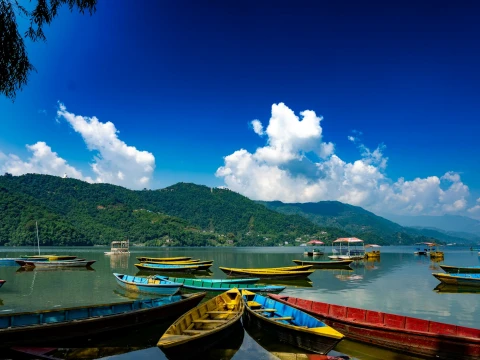
The Kathmandu Pokhara Lumbini Chitwan Tour is a 10-day journey that combines Nepal’s rich cultural heritage, natural beauty, and wildlife adventures into a seamless itinerary. Starting from Kathmandu, Nepal’s capital, travelers will explore ancient temples, palaces, and UNESCO World Heritage Sites, immersing themselves in centuries-old traditions and vibrant local culture. After soaking in Kathmandu’s historical charm, the tour heads to Pokhara, a picturesque city surrounded by the majestic Annapurna mountain range. Here, visitors witness breathtaking sunrises from Sarangkot, enjoy serene lakeside views, and explore caves and waterfalls.From Pokhara, the journey continues to Lumbini, the sacred birthplace of Lord Buddha. Lumbini offers a spiritual retreat, with monasteries, gardens, and the revered Maya Devi Temple creating a serene atmosphere for reflection and learning. The tour concludes in Chitwan National Park, where guests experience thrilling jungle safaris, wildlife spotting, and nature walks, making it a perfect combination of adventure, culture, and spirituality. Throughout the tour, Cross Border Travel & Tours ensures a well-organized, comfortable experience with guided sightseeing, comfortable accommodations, and seamless transportation.Kathmandu: Swayambhunath, Boudhanath Stupa, Patan Durbar SquarePokhara: Sarangkot sunrise, Phewa Lake, Devi’s Fall, Gupteshwor CaveLumbini: Maya Devi Temple, Ashokan Pillar, Monastic ZoneChitwan: Jungle Safari, Elephant Ride, Bird Watching, Tharu Village visitBest Season for Kathmandu Pokhara Lumbini Chitwan TourThe ideal time to take this tour is during autumn (September to November) and spring (March to May). During these months, the weather is mild, the skies are clear, and the views of the Himalayas are stunning. Autumn brings vibrant festivals and cultural celebrations in Kathmandu, while spring delights visitors with blooming rhododendrons in Pokhara and Lumbini.Winter (December to February) is cooler, especially in Pokhara and Kathmandu, making early morning activities like sunrise from Sarangkot a crisp and refreshing experience. Summer (June to August) brings the monsoon, which can make road travel challenging due to occasional landslides, but the landscape becomes lush and green, offering a different scenic charm for adventurous travelers.Seasonal Tips:Autumn: Clear mountain views and cultural festivalsSpring: Blooming flowers and pleasant temperaturesWinter: Crisp air and quiet tourist spotsSummer: Lush greenery, but wet roads may slow travelKathmandu Pokhara Lumbini Chitwan Tour Difficulty and TransportationThe tour is moderate in difficulty, suitable for travelers with a basic level of fitness. Most sightseeing involves walking through temples, lakesides, and heritage sites, with no technical trekking required. Some activities, like nature walks in Chitwan or climbing to Sarangkot viewpoint, involve gentle uphill walking but are manageable for most travelers.Transportation is a mix of private car, coach, and short drives, depending on the leg of the journey. Kathmandu to Pokhara takes around 6 hours by road, Pokhara to Lumbini around 5 hours, and Lumbini to Chitwan around 5 hours, offering scenic views of valleys, rivers, and mountains along the way. All transportation is arranged by Cross Border Travel & Tours with experienced drivers and comfortable vehicles.Transportation Details:Private car or coach for all drivesShort guided walks in heritage and nature sitesOptions for boat rides on Phewa Lake in PokharaElephant and jeep safari in ChitwanFood and Accommodation for Kathmandu Pokhara Lumbini Chitwan TourFood on the tour offers a mix of Nepali, continental, and Indian cuisines. Travelers can enjoy authentic local dishes like dal bhat (lentil rice), momo (dumplings), thukpa (noodle soup), and fresh river fish in Pokhara. Lumbini features serene dining spaces in monasteries and resorts, while Chitwan offers unique dining experiences with local Tharu cuisine.Accommodation is carefully selected for comfort and convenience. In Kathmandu, travelers stay near cultural hubs, making sightseeing easy. Pokhara accommodations offer lakeside views, while Lumbini provides tranquil resorts close to the spiritual sites. In Chitwan, lodges and resorts are designed for nature immersion and easy access to safaris. Cross Border Travel & Tours ensures clean, secure, and well-serviced hotels or resorts throughout the journey.Food & Stay Highlights:Kathmandu: City hotels near Durbar Square and ThamelPokhara: Lakeside resorts with mountain viewsLumbini: Peaceful resorts near Maya Devi TempleChitwan: Jungle lodges with nature accessKathmandu Pokhara Lumbini Chitwan Tour PermitsTravelers do not need any special permits for visiting Kathmandu, Pokhara, or Lumbini; standard travel documents and hotel check-ins suffice. For Chitwan National Park, an entry permit is required for all wildlife activities, which Cross Border Travel & Tours arranges on behalf of guests. Guides and drivers are trained to ensure all legal requirements, safety protocols, and environmental regulations are strictly followed.Permit Information:Chitwan National Park Entry Permit includedWildlife safari activities are fully licensedNo additional permits needed for heritage sitesTravel insurance recommendedWhy Choose Kathmandu Pokhara Lumbini Chitwan TourChoosing this tour with Cross Border Travel & Tours guarantees a well-planned experience combining culture, nature, and adventure. The itinerary is designed to maximize sightseeing without feeling rushed, with expert guides providing historical, spiritual, and ecological insights at each location. Travelers enjoy seamless transportation, quality accommodations, and diverse activities, from sunrise viewpoints to jungle safaris.The tour is ideal for families, solo travelers, and small groups seeking a comprehensive Nepal experience without the stress of planning logistics. With a focus on comfort, safety, and local immersion, it allows visitors to explore the highlights of Nepal while experiencing its warm hospitality and breathtaking landscapes.Reasons to Choose This Tour:Expert guides and well-organized logisticsComfortable hotels and resorts at every stopAuthentic local cuisine and cultural experiencesSafe and licensed wildlife and adventure activitiesBalanced pace combining sightseeing, relaxation, and adventure
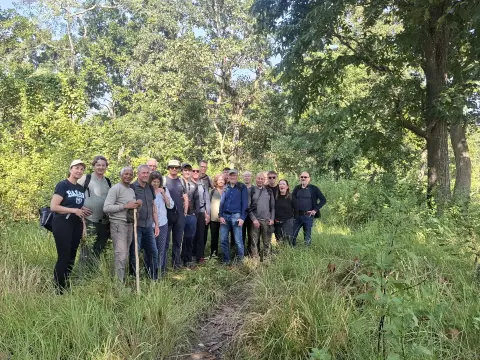
The Kathmandu Chitwan Tour, organized by Cross Border Travel & Tours, is an immersive journey into Nepal’s cultural richness and natural splendor. Starting from the vibrant capital city, Kathmandu, travelers explore ancient temples, bustling markets, and UNESCO World Heritage Sites, experiencing a perfect blend of history, spirituality, and local lifestyle. The tour then transitions to Chitwan National Park, Nepal’s premier wildlife sanctuary, offering an unforgettable safari experience. Visitors get to witness endangered species like the one-horned rhinoceros, Bengal tigers, and a variety of birds in their natural habitats, making it ideal for wildlife enthusiasts and nature lovers alike.The tour spans six days, with each day carefully curated to balance sightseeing, adventure, and relaxation. Day 1 is dedicated to your arrival and hotel transfer, giving you time to settle in. Day 2 focuses on Kathmandu’s heritage, including iconic landmarks and cultural monuments. By Day 3, the journey moves to Chitwan via a scenic drive, introducing visitors to the lush Terai plains. Days 4 and 5 feature thrilling jungle safaris, nature walks, and interactions with local Tharu communities, before returning to Kathmandu. Finally, Day 6 marks your departure with lasting memories of Nepal’s diverse offerings.Kathmandu cultural tour with UNESCO World Heritage SitesScenic drive from Kathmandu to ChitwanWildlife safari and nature walks in Chitwan National ParkInteraction with local Tharu communitiesComfortable hotel and resort accommodationsBest Season for Kathmandu Chitwan TourThe ideal time to explore the Kathmandu Chitwan Tour is during Nepal’s autumn (September to November) and spring (March to May) seasons. These periods offer clear skies, mild temperatures, and excellent visibility for sightseeing and wildlife spotting. Autumn brings vibrant festivals like Dashain and Tihar, providing cultural immersion alongside natural exploration. Spring presents blooming rhododendrons and lush greenery, adding scenic beauty to both the Kathmandu Valley and Chitwan National Park.While winter (December to February) is cooler and less crowded, it is also suitable for travelers who enjoy crisp air and quieter trails. Summer (June to August) sees monsoon rains, which can make travel slightly challenging, but the lush landscapes become exceptionally verdant. Choosing the right season enhances wildlife sightings, photography opportunities, and overall travel comfort.Season Highlights:Autumn: Clear skies, festivals, and mild weatherSpring: Blooming flora and lush landscapesWinter: Fewer crowds and crisp airSummer: Green scenery with occasional rain showersKathmandu Chitwan Tour Difficulty and TransportationThe tour is moderate in difficulty, suitable for travelers of all ages, including families and senior tourists. Most activities involve light walking, sightseeing, and short jungle treks, making it accessible without extensive physical preparation. Jungle safaris may require moderate stamina for walking trails and exploring natural habitats, but professional guides ensure safety and guidance throughout.Transportation during the tour is well-organized by Cross Border Travel & Tours. Travelers enjoy comfortable private vehicles for transfers between Kathmandu and Chitwan, with scenic routes showcasing Nepal’s diverse landscapes. Internal travel within cities and park areas includes short drives or guided walks, providing flexibility and ease for all travelers. Safety measures, modern vehicles, and experienced drivers make the journey smooth and enjoyable.Transportation & Difficulty Highlights:Moderate difficulty, suitable for most travelersPrivate vehicle transfers with scenic viewsShort guided walks and nature treksProfessional jungle safari guidesFood and Accommodation for Kathmandu Chitwan TourCross Border Travel & Tours ensures travelers enjoy authentic Nepali cuisine and comfortable accommodations. In Kathmandu, guests stay in city hotels with modern amenities, offering easy access to heritage sites and local markets. Chitwan accommodation is in resorts or lodges near the national park, combining comfort with nature-inspired experiences. Some resorts feature riverside views, traditional Tharu-style architecture, and on-site restaurants serving fresh local and international dishes.Meals typically include traditional Nepali options like dal bhat (lentil soup with rice), momo (dumplings), and seasonal vegetables, alongside continental choices. Jungle lodges often provide buffet-style breakfasts and locally sourced lunches and dinners, emphasizing healthy and flavorful options for travelers. Special dietary needs can also be accommodated with prior notice.Food & Accommodation Highlights:Modern hotels in KathmanduResort stays near Chitwan National ParkLocal and international cuisineTharu cultural experiences with mealsComfortable, nature-inspired lodgingKathmandu Chitwan Tour PermitsVisiting Chitwan National Park requires specific permits to ensure regulated tourism and wildlife protection. Cross Border Travel & Tours handles all necessary permits, including park entry fees, jungle safari authorization, and insurance for wildlife activities. Travelers must carry identification documents, which are checked at park entrances and during guided activities.Kathmandu sightseeing does not require special permits, but some heritage sites may charge nominal entry fees. Tour packages often include these costs upfront, providing a hassle-free experience. Proper permits ensure safety, legal compliance, and smooth access to all attractions, allowing visitors to focus on enjoyment and exploration.Permit Highlights:Chitwan National Park entry permit includedSafari and wildlife activity authorizationIdentification documents requiredHassle-free management by the tour companyWhy Choose Kathmandu Chitwan TourChoosing the Kathmandu Chitwan Tour with Cross Border Travel & Tours ensures a seamless and memorable experience. The combination of cultural heritage, natural beauty, and adventure offers a comprehensive glimpse into Nepal’s diverse landscapes and traditions. Expert guides, curated itineraries, and comfortable accommodations enhance convenience and comfort for travelers.This tour is ideal for wildlife enthusiasts, culture seekers, and adventure lovers alike. By joining this package, travelers enjoy a safe, well-organized journey with local insights, thrilling jungle safaris, and exposure to traditional Nepali communities. The company’s reputation for professionalism, reliability, and personalized service makes this tour a standout choice for exploring Nepal.Reasons to Choose This Tour:Expert local guides and safari professionalsHassle-free permits and transportationPerfect blend of culture, adventure, and wildlifeComfortable accommodations with local charmSafe and well-organized travel experience
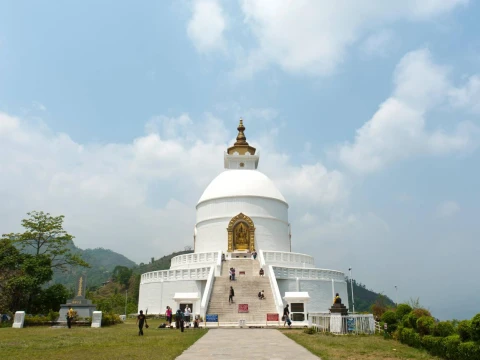
The Kathmandu Pokhara tour by Cross Border Travel & Tours is a perfect blend of cultural heritage, natural beauty, and adventure. Starting in Kathmandu, Nepal’s vibrant capital, travelers get to explore ancient temples, stupas, and historical squares that reflect centuries of artistic and spiritual traditions. The city’s UNESCO World Heritage Sites, like Pashupatinath Temple, Boudhanath Stupa, and Kathmandu Durbar Square, offer an immersive cultural experience, making it a great introduction to Nepalese history and lifestyle.After soaking in the capital’s heritage, the tour heads west to Pokhara, a serene lakeside city at 860 meters above sea level. Pokhara is famous for its stunning views of the Annapurna mountain range, tranquil Phewa Lake, and natural wonders like Devi’s Fall and Gupteshwor Cave. The itinerary also includes a morning hike to the iconic Peace Stupa, offering panoramic views over Pokhara and the surrounding hills. This seven-day journey is designed for travelers who want to experience both the rich culture of Kathmandu and the natural serenity of Pokhara in one well-planned trip.Kathmandu heritage and UNESCO sitesScenic drive to PokharaPhewa Lake boat ride and lakeside explorationPeace Stupa hike and panoramic mountain viewsNatural attractions like waterfalls and cavesBest Season for Kathmandu Pokhara TourThe best time to explore Kathmandu and Pokhara is during spring (March to May) and autumn (September to November). These months offer clear skies, pleasant temperatures, and stunning mountain views, which are ideal for sightseeing and photography. Spring brings blooming rhododendrons and lush landscapes, while autumn provides crisp air and colorful festivals.Spring: March–May, warm days, flowering hillsAutumn: September–November, clear skies, optimal trekking conditionsWinter: December–February, cooler, fewer tourists, less crowdedMonsoon: June–August, heavy rain, slippery roads, limited visibilityTravelers are advised to avoid the monsoon season if they want uninterrupted sightseeing and safe road travel, especially on the drive from Kathmandu to Pokhara.Kathmandu Pokhara Tour Difficulty and TransportationThe tour is considered moderate in difficulty, suitable for most travelers with average fitness levels. The trekking component, such as the Peace Stupa hike, is not strenuous but requires walking for about 2–3 hours over gentle slopes.Transportation is primarily by private vehicle or tourist bus, with comfortable seating for the 5–6 hour drives between cities. Roads are mostly paved, though travelers may experience occasional bumpy sections.Kathmandu sightseeing: Short walks within heritage sitesPokhara exploration: Easy hikes and boat ridesTravel time: 5–6 hours between Kathmandu and Pokhara by roadDifficulty: Moderate, accessible for families and solo travelersFood and Accommodation for Kathmandu Pokhara TourCross Border Travel & Tours ensures comfortable accommodations in both Kathmandu and Pokhara, ranging from 3-star to boutique hotels. Most hotels provide breakfast and have amenities like Wi-Fi, laundry, and hot showers.Nepalese cuisine is a highlight, with opportunities to try local dishes such as dal bhat (lentil soup with rice), momos (dumplings), and a variety of vegetarian and international options in Pokhara’s lakeside restaurants.Accommodation: Comfortable hotels in Kathmandu and PokharaMeals: Local Nepali dishes and international cuisineExtras: Lakeside cafés, rooftop restaurants, and cultural food experiencesKathmandu Pokhara Tour PermitsFor this tour, travelers generally do not require special permits beyond standard Nepal tourist visas, which are easily obtainable on arrival or online. Certain heritage sites, like Pashupatinath Temple or Boudhanath Stupa, may have nominal entry fees, which are included in the itinerary.Nepal tourist visa: Required for most international visitorsEntry fees: Small fees for temples and UNESCO sitesNo special trekking permits: Peace Stupa and city walks are accessible without permitsWhy Choose Kathmandu Pokhara TourChoosing Cross Border Travel & Tours for the Kathmandu Pokhara journey ensures a well-organized, culturally immersive, and scenic experience. The company provides experienced guides, comfortable transportation, and a balanced itinerary that combines heritage sightseeing, nature exploration, and light adventure.Expert local guides: In-depth historical and cultural knowledgeComfortable travel: Private vehicles and scenic routesBalanced itinerary: City culture, lakeside relaxation, and hikingMemorable experience: Stunning Himalayan views and serene landscapesThis tour is perfect for travelers seeking a complete Nepal experience in just one week, with the convenience and reliability of an experienced tour operator.
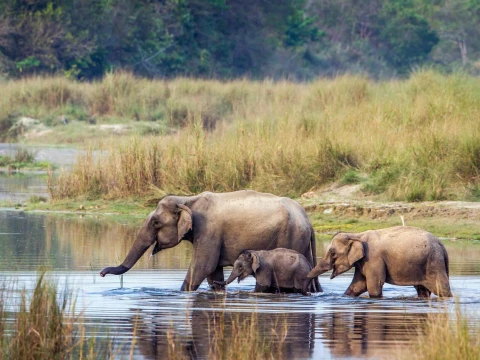
Bardia National Park, located in the far-western region of Nepal, is one of the country’s most pristine and least disturbed wildlife reserves. Covering over 968 square kilometers, the park is a haven for biodiversity, including endangered species like the Bengal tiger, one-horned rhinoceros, Asian elephant, and swamp deer. It also hosts over 400 bird species, making it a paradise for birdwatchers. A visit to Bardia is not just about spotting wildlife; it’s an immersive experience in Nepal’s natural and cultural heritage. The park’s dense sal forests, grasslands, and riverine landscapes create diverse habitats for both terrestrial and aquatic species, including crocodiles and otters along the Babai River.Cross Border Travel & Tours offers expertly guided safaris and jungle walks to maximize your wildlife sightings while ensuring safety and sustainability. Guests can enjoy morning and evening safari drives, canoeing along serene rivers, and guided nature walks with knowledgeable naturalists who provide insights into animal behavior, tracking techniques, and conservation challenges. The tours are designed to be both adventurous and educational, giving travelers a deep appreciation of Nepal’s natural heritage.Jeep and canoe safaris in dense forests and along riversBirdwatching and wildlife tracking with expert guidesInteraction with the Tharu community and local conservation initiativesOpportunity to see elusive Bengal tigers and wild elephantsBest Season for Bardia National Park TourThe best time to visit Bardia National Park is during the dry winter and pre-monsoon spring months, typically from October to April. During this period, the park’s trails are accessible, and wildlife sightings are at their peak. The dry season also reduces mosquito activity and allows for more comfortable jungle walks. Early mornings and late afternoons provide the best chances to observe animals in their natural habitat, as they are most active during cooler hours.Visiting during this season also offers clear skies for photography, especially of the park’s abundant birdlife and riverscapes. Summer months (May to September) bring the monsoon rains, which can make trails slippery and river levels high, limiting access to certain parts of the park. However, the rains transform the park into a lush, green paradise with vibrant flora, attracting migratory birds. Cross Border Travel & Tours tailors the itinerary to each season, ensuring that guests have a rewarding experience regardless of when they visit.Key Seasons:October – February: Cool, dry, ideal for wildlife spottingMarch – April: Spring blossoms, active fauna, good birdwatchingMay – September: Monsoon, fewer tourists, lush sceneryBardia National Park Tour Difficulty and TransportationThe Bardia National Park tour is generally moderate in difficulty, making it accessible for most travelers, including families and seniors with a reasonable level of fitness. Safari drives require minimal physical exertion, while guided jungle walks or canoeing may involve longer periods of standing or light walking on uneven trails. Proper footwear, sun protection, and hydration are recommended for all excursions.Transportation to and within the park is seamless with Cross Border Travel & Tours. Guests fly from Kathmandu to Nepalgunj, followed by a scenic drive to the park. Within Bardia, travel includes jeep safaris on rugged trails and short guided walks or canoe trips along the Babai River. All vehicles are maintained for comfort and safety, ensuring a smooth adventure even in remote areas. Experienced local drivers and guides make navigation through forested zones efficient and enjoyable.Transportation Overview:Flight from Kathmandu to NepalgunjDrive to Bardia National Park (approx. 3–4 hours)Jeep safari, canoe rides, and guided nature walks in the parkComfortable lodge transfers within park zonesFood and Accommodation for Bardia National Park TourAccommodation in Bardia is designed to complement the wildlife experience while ensuring comfort. Cross Border Travel & Tours partners with eco-friendly lodges and resorts that offer cozy rooms, hot showers, and scenic views of the forest and river. Staying inside or near the park allows early access for morning safaris and minimizes travel time.Meals are typically included and feature a mix of Nepali and continental cuisine. Guests can enjoy hearty breakfasts before morning excursions, packed lunches during safari drives, and wholesome dinners in the evening. Local Tharu-inspired dishes are often highlighted, offering travelers a taste of regional flavors alongside familiar favorites. Dietary preferences and restrictions are accommodated with advance notice.Accommodation & Dining Highlights:Eco-friendly lodges with forest/riverside viewsMulti-course meals featuring local and international cuisineComfortable, clean rooms with basic amenitiesOpportunity to experience Tharu cultural meals and hospitalityBardia National Park Tour PermitsVisiting Bardia National Park requires a park entry permit for all guests, which helps fund conservation efforts and park management. Cross Border Travel & Tours arranges all permits in advance, ensuring a hassle-free experience. Permits cover entry to safari zones, guided walks, and certain areas for photography. Wildlife tracking, especially tiger spotting, is strictly regulated, and guides ensure compliance with park rules to protect both guests and wildlife.Permit Details:National Park entry fee included in tour packageAdditional permits for special photography or research (if applicable)Managed and arranged by Cross Border Travel & ToursSupports wildlife conservation and community programsWhy Choose Bardia National Park Tour with Cross Border Travel & ToursCross Border Travel & Tours provides a fully organized, immersive experience in one of Nepal’s most secluded and wildlife-rich destinations. Their experienced guides and naturalists ensure that guests enjoy maximum wildlife encounters while respecting ecological and cultural sensitivities. From arranging flights and comfortable lodge stays to planning jeep safaris, jungle walks, and local interactions, the company handles every detail professionally.Choosing Cross Border Travel & Tours guarantees not only convenience and safety but also authentic insights into Bardia’s ecology and the life of the Tharu communities who have coexisted with the forest for centuries. Guests return home with memories of thrilling wildlife sightings, serene riverscapes, and a deeper understanding of Nepal’s conservation efforts.Why Choose Them:Expert-guided wildlife safaris and jungle experiencesFully managed travel, accommodation, and mealsFocus on sustainable tourism and community involvementAccess to exclusive wildlife zones and local knowledge
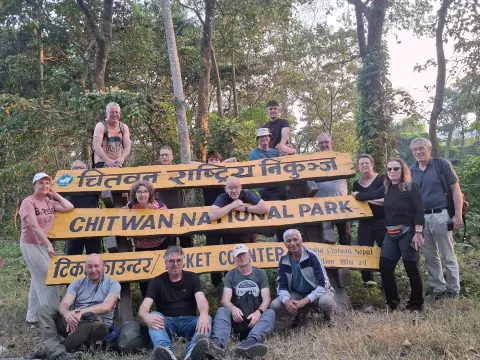
The Chitwan Wildlife Adventure Tour offered by Cross Border Travel & Tours is an immersive experience designed for nature lovers, wildlife enthusiasts, and adventure seekers. Located in the heart of southern Nepal, Chitwan National Park is a UNESCO World Heritage Site known for its rich biodiversity. Spanning over 932 square kilometers, the park is home to iconic species such as the one-horned rhinoceros, Bengal tiger, Asian elephants, sloth bears, and a vast array of bird species, including the rare crested serpent eagle and kingfisher.This tour combines various wildlife activities, including canoe rides along the Rapti River, elephant-back safaris, jeep safaris, and guided jungle walks, giving visitors multiple ways to explore and appreciate the forest ecosystem. Cultural interactions with the local Tharu community add an enriching human element, showcasing traditional crafts, dances, and lifestyles. The tour is carefully designed to balance adventure, education, and relaxation, ensuring participants experience the park’s natural wonders fully while maintaining sustainable tourism practices.Canoe ride on the Rapti River, spotting crocodiles and birdsElephant-back safari for close wildlife encountersJungle walks with naturalist guides to learn about flora and faunaVisits to local Tharu villages for cultural experiencesBest Season for Chitwan Wildlife Adventure TourThe best time to visit Chitwan for a wildlife adventure largely depends on the weather and wildlife activity. The peak season runs from October to March, when the weather is cooler, dry, and ideal for outdoor activities like safaris, birdwatching, and river excursions. During these months, animal sightings are more frequent, as wildlife comes closer to rivers and open areas in search of water.The monsoon season, from June to September, sees heavy rainfall and muddy trails, making some jungle activities difficult, but the park transforms into a lush green haven with vibrant bird activity. Early morning visits during these months may still allow for good sightings of species like gharials, wild boars, and various migratory birds. Tourists should plan accordingly, considering both comfort and the type of wildlife experiences they desire.Seasonal considerations:October–March: Cool, dry, and high wildlife visibilityApril–June: Warmer temperatures, occasional wildlife sightingsJune–September: Monsoon season, fewer tourists, lush greeneryChitwan Wildlife Adventure Tour: Difficulty and TransportationThe tour is moderate in difficulty, suitable for individuals and families with basic physical fitness. Activities such as jungle walks and canoe rides require light mobility, while elephant-back safaris are gentle and accessible to most visitors. The tour is paced with rest periods, allowing participants to enjoy nature without feeling rushed or fatigued.Transportation is comfortable and organized by Cross Border Travel & Tours. The journey begins with a scenic drive from Kathmandu to Chitwan, approximately 5–6 hours by private or tourist vehicle. Within the park, safaris and excursions are conducted using well-maintained jeeps, elephant-back rides, and boats, ensuring both safety and convenience. All local transfers are handled by experienced drivers familiar with park access points and wildlife areas.Transportation details:Private or tourist vehicle from Kathmandu to ChitwanElephant-back and jeep safaris inside the parkCanoe rides on the Rapti RiverShort guided walking trails with naturalistsFood and Accommodation for Chitwan Wildlife Adventure TourTour participants enjoy comfortable accommodation in eco-friendly lodges or resorts near the park, chosen to provide a balance of comfort and immersion in nature. Rooms are equipped with essential amenities such as hot showers, cozy beds, and scenic views of the forest or river. Cross Border Travel & Tours ensures lodging is hygienic, safe, and culturally authentic.Food on the tour includes traditional Nepali cuisine as well as continental options. Breakfast, lunch, and dinner are thoughtfully prepared to keep energy levels high for adventurous activities. Special highlights include traditional Tharu meals during cultural visits, giving tourists a taste of local flavors. Vegetarian and dietary-specific options are available on request. Evening meals often include storytelling sessions or cultural performances, creating a memorable, holistic experience.Food & lodging highlights:Eco-lodges and jungle resorts with scenic viewsNepali and continental cuisineSpecial Tharu cultural mealsHygienic, safe, and comfortable roomsChitwan Wildlife Adventure Tour PermitsVisiting Chitwan National Park requires official entry permits, which are included in the tour package by Cross Border Travel & Tours. These permits ensure legal access to all core wildlife zones and support conservation initiatives. For foreign nationals, the entry permit fee is mandatory and provides access to all major activities, including elephant-back safaris, jeep safaris, and canoe rides.Additionally, specialized permits may be required for photography or video equipment, depending on the tour itinerary. Guides and tour operators handle all paperwork to ensure a hassle-free experience for participants. Tourists are advised to carry valid identification, which is necessary for verification when entering the park.Permit highlights:Park entry included in tour packageSupports conservation and sustainable tourismRequired for all safari activitiesManaged by experienced guides to avoid hassleWhy Choose Chitwan Wildlife Adventure TourChoosing the Chitwan Wildlife Adventure Tour with Cross Border Travel & Tours offers a unique blend of adventure, education, and cultural immersion. The tour is professionally organized, with experienced guides, safe accommodations, and comprehensive itineraries that maximize wildlife viewing opportunities while respecting nature. Unlike typical sightseeing trips, this tour provides interactive experiences like canoe rides, elephant safaris, and village visits, making it ideal for families, solo travelers, and wildlife photographers.The company’s dedication to responsible tourism ensures that every activity promotes conservation, supports local communities, and minimizes environmental impact. Participants not only get to witness Nepal’s rich biodiversity but also engage meaningfully with the local Tharu culture. With safety, convenience, and unforgettable experiences at its core, this tour is highly recommended for anyone looking to explore one of Nepal’s most iconic natural treasures.Key reasons to choose:Expert-guided wildlife and cultural experiencesConvenient, safe, and organized transportationEco-friendly accommodations and sustainable practicesImmersive activities like elephant-back and jeep safarisOpportunity to learn about flora, fauna, and the Tharu culture
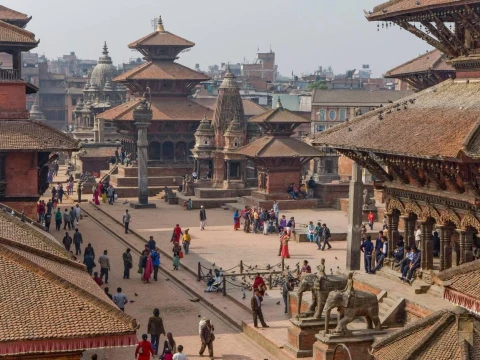
Explore on an unforgettable journey through the heart of Nepal with the Kathmandu Valley Sightseeing Tour offered by Cross Border Travel & Tours. This full-day excursion provides a perfect blend of cultural immersion, spiritual exploration, and historical discovery. The tour begins at the iconic Swayambhunath Stupa (Monkey Temple), perched atop a hill with panoramic views of the Kathmandu Valley. This sacred site is not only a spiritual hub but also a lively center of local life, where playful monkeys roam freely, and pilgrims spin prayer wheels with devotion. The intricate carvings, gilded spire, and fluttering prayer flags create a mesmerizing ambiance that captures the essence of Nepalese culture. Visitors can explore surrounding shrines, learn about Buddhist traditions, and enjoy the serene yet vibrant atmosphere that has drawn pilgrims for centuries.Next, the tour proceeds to the Pashupatinath Temple, one of the holiest Hindu pilgrimage sites in the world. Situated along the Bagmati River, the temple offers a profound insight into Hindu rituals and ceremonies, including cremation practices performed with solemn reverence. Wanderers can witness sadhus in their daily spiritual routines, observe ornate pagoda-style architecture, and marvel at the exquisite wood carvings and golden roofs that reflect Nepalese artistry. Following this spiritual experience, the journey continues to the Boudhanath Stupa, a massive Buddhist monument surrounded by vibrant Tibetan monasteries. Visitors can circumambulate the stupa while spinning prayer wheels, listen to monks chanting, and explore local handicraft shops and cafes. Finally, the day concludes at Kathmandu Durbar Square & Basantapur Durbar Square, a UNESCO World Heritage Site rich with history, architecture, and street culture. Palaces, temples, and intricate carvings narrate stories from the Malla era, leaving travelers with an immersive experience of Kathmandu’s spiritual and historical heritage.Swayambhunath Stupa: panoramic views and vibrant spiritualityPashupatinath Temple: sacred rituals and Hindu architectureBoudhanath Stupa: Tibetan culture and monastic lifeKathmandu Durbar Square: historical palaces and local marketsProfessional guidance by Cross Border Travel & ToursBest Season for Kathmandu Sightseeing TourThe ideal time to explore Kathmandu Valley is during the spring (March to May) and autumn (September to November) seasons. During these months, the weather is mild and pleasant, the skies are clear, and the visibility of the surrounding mountains and cityscape is excellent.Spring (March–May): Enjoy blooming flowers, vibrant landscapes, and moderate temperatures.Autumn (September–November): Clear skies and cool weather make it perfect for photography, sightseeing, and cultural exploration.Winter (December–February): Cooler temperatures; some mornings may be foggy, but fewer tourists provide a quieter experience.Monsoon (June–August): Heavy rainfall may disrupt travel plans, but the valley is lush and green for adventurous travelers.Visiting in the recommended seasons ensures comfortable exploration of temples, shrines, and historical squares while allowing optimal photography opportunities and outdoor experiences.Why Choose Kathmandu Sightseeing TourChoosing the Kathmandu Sightseeing Tour with Cross Border Travel & Tours guarantees a seamless, enriching, and culturally immersive experience. With professional guides, well-organized transportation, and thoughtfully curated itineraries, visitors can explore Kathmandu’s spiritual and historical landmarks with ease and comfort.Expert Guides: Knowledgeable guides provide deep insights into Hindu and Buddhist traditions, local lifestyles, and Nepalese history.Convenient Transportation: Comfortable vehicles ensure smooth travel between attractions, saving time and energy.Cultural Immersion: Opportunities to interact with monks, pilgrims, and artisans, enhancing understanding of local traditions.Photography Opportunities: Iconic temples, stupas, and squares offer picture-perfect moments throughout the day.Stress-Free Experience: Planning, tickets, and route logistics are handled by experienced professionals, allowing you to focus on exploration.This tour is ideal for solo travelers, families, or groups seeking to explore Kathmandu’s rich cultural and spiritual heritage in a single, well-organized day. With Cross Border Travel & Tours, you are guaranteed an unforgettable journey through the historical heart of Nepal.
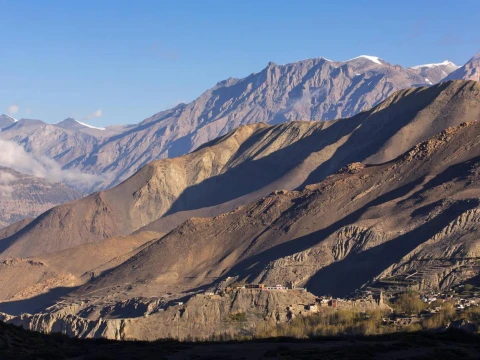
The Upper Mustang Overland Tour with Cross Border Travel & Tours is a spectacular journey into the heart of Nepal’s remote Trans-Himalayan region. Starting from Kathmandu, travelers experience a combination of cultural exploration, scenic drives, and high-altitude adventure. This tour takes you through the historic city of Pokhara, the dramatic Kali Gandaki valley, and into the ancient walled city of Lo-Manthang, the former kingdom of Mustang. Along the way, you will witness the stunning landscapes of deep gorges, desert-like plateaus, and snow-capped peaks.The journey is designed to blend both adventure and cultural immersion. You’ll explore ancient monasteries, traditional villages, and vibrant Tibetan-influenced communities. Highlights include visiting Kagbeni, the gateway to Upper Mustang, crossing Nyi-La Pass, and spending quality time in Lo-Manthang, where the medieval architecture and rich history provide a unique glimpse into a world untouched by time.Explore Kathmandu’s UNESCO World Heritage Sites.Scenic drive through Pokhara to the Kali Gandaki valley.Visit the walled city of Lo-Manthang and traditional Mustang villages.Cross the Nyi-La Pass at 3,860 m, experiencing high-altitude landscapes.Discover Tibetan culture and ancient monasteries.Best Season for Upper Mustang Overland TourThe best time to undertake the Upper Mustang Overland Tour is during the autumn (September to November) and spring (March to May) seasons. During these months, the weather is stable, the skies are clear, and the landscapes are at their most vibrant, offering panoramic views of Himalayan peaks. Autumn also coincides with local festivals, providing travelers a chance to witness cultural celebrations firsthand.Winter months (December to February) can be extremely cold, especially at high altitudes, and roads may be blocked by snow. Monsoon season (June to August) is less ideal due to heavy rainfall, landslides, and poor road conditions. Travelers seeking a balance of comfort and adventure should aim for late spring or early autumn, when temperatures are mild and days are long, allowing for full exploration of the region.Best Seasons at a Glance:Autumn (Sept–Nov): Clear skies, festivals, moderate temperatures.Spring (Mar–May): Blooming landscapes, pleasant trekking conditions.Avoid: Monsoon (Jun–Aug) and harsh winter (Dec–Feb).Upper Mustang Overland Tour Difficulty and TransportationThe tour involves moderate physical activity, mainly through high-altitude drives and short hikes within villages and monasteries. Although this is not a strenuous trekking expedition, travelers should be prepared for altitude acclimatization, especially when crossing Nyi-La Pass (3,860 m) and staying in high-altitude villages like Ghami and Lo-Manthang.Transportation is primarily by private vehicles and short domestic flights. The drive from Kathmandu to Pokhara, and then Pokhara to Jomsom, offers scenic mountain vistas and valley landscapes. From Jomsom, you will continue by vehicle into Mustang, traversing rugged roads, mountain passes, and desert-like plateaus. All transfers are arranged by Cross Border Travel & Tours, ensuring safety, comfort, and professional guidance throughout the journey.Tour Difficulty & Transport:Moderate physical effort; mostly driving with light walking.High-altitude acclimatization required.Private vehicle transfers and domestic flights are included.Roads may be rough; a sense of adventure is needed.Food and Accommodation for Upper Mustang Overland TourFood during the Upper Mustang Overland Tour combines local Tibetan-Nepali cuisine with familiar continental options. In villages like Lo-Manthang and Ghami, meals typically include tsampa, noodles, dal bhat, and local bread. Hot drinks like butter tea and herbal teas are available to keep travelers warm at high altitudes. Cross Border Travel & Tours ensures hygiene and safety while providing authentic culinary experiences.Accommodation ranges from comfortable hotels in Kathmandu and Pokhara to guesthouses and lodges in Mustang. While amenities in high-altitude villages are basic, they offer cozy lodging and warm hospitality. Some lodges may have shared bathrooms and limited electricity, but they are clean, safe, and provide an authentic local experience that connects travelers with the culture and environment of Upper Mustang.Food & Accommodation Highlights:Traditional Nepali and Tibetan meals in Mustang villages.Hotels in Kathmandu and Pokhara for comfort and convenience.Cozy lodges in high-altitude regions with basic amenities.Emphasis on local hospitality and cultural immersion.Upper Mustang Overland Tour PermitsTraveling to Upper Mustang requires special permits, as it is a restricted area due to its strategic and cultural significance. Cross Border Travel & Tours manages all necessary documentation, including the Restricted Area Permit and Trekkers’ Information Management System (TIMS) registration. These permits are essential for all foreign travelers entering Upper Mustang.The permit system also helps preserve the cultural heritage and fragile environment of the region. Fees for permits are generally higher than in regular trekking areas, reflecting the exclusivity and preservation efforts of the Upper Mustang region. Travelers are advised to arrange permits well in advance to ensure a smooth and hassle-free journey.Permit Essentials:Restricted Area Permit (mandatory for Upper Mustang).TIMS card for trekkers.Permit fees are applicable and arranged by the tour operator.Advance arrangement recommended.Why Choose Upper Mustang Overland TourChoosing the Upper Mustang Overland Tour with Cross Border Travel & Tours offers a rare combination of adventure, culture, and breathtaking Himalayan landscapes. This tour is perfect for travelers seeking an off-the-beaten-path experience, blending scenic drives, cultural exploration, and high-altitude adventure. The expertise of the tour company ensures safety, comfort, and local knowledge, making the journey unforgettable.From exploring ancient walled cities to witnessing Tibetan Buddhist traditions and remote villages, this tour is a window into a region that has remained largely unchanged for centuries. Travelers enjoy a curated experience with professional guides, reliable vehicles, and carefully selected accommodations, allowing them to focus on the beauty and cultural richness of Upper Mustang without logistical concerns.Reasons to Choose This Tour:Expert guidance and well-organized itinerary.Unique cultural experiences in remote Himalayan villages.Scenic drives and short domestic flights reduce physical strain.Authentic local cuisine and cozy accommodations.Exclusive access to one of Nepal’s most pristine regions.
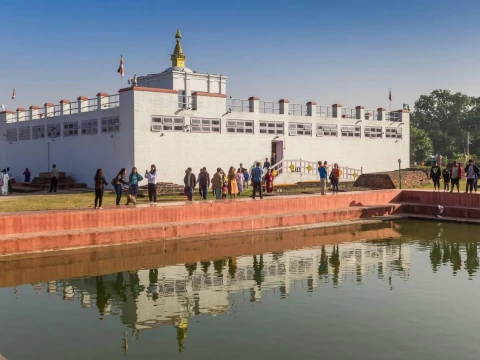
The Kathmandu Pokhara Lumbini Tour is an immersive journey into the cultural, spiritual, and natural wonders of Nepal. Starting in Kathmandu, Nepal’s vibrant capital, you’ll explore ancient temples, palaces, and UNESCO World Heritage Sites that showcase centuries of history. From the bustling streets of Thamel to the serene courtyards of Pashupatinath and Boudhanath, Kathmandu offers a mix of spirituality and urban charm.Next, you’ll drive to Pokhara, Nepal’s most picturesque city, renowned for its tranquil lakes, breathtaking mountain views, and adventure activities. Highlights include a sunrise view from Sarangkot, boat rides on Phewa Lake, and visits to the mesmerizing Davis Falls and Gupteshwor Cave. Pokhara is perfect for relaxation while experiencing the natural beauty of the Annapurna range.Finally, the journey culminates in Lumbini, the sacred birthplace of Lord Buddha. Here, travelers witness a serene landscape filled with monasteries, the Maya Devi Temple, and the sacred Bodhi tree. This spiritual stop provides a tranquil experience, reflecting Nepal’s deep-rooted Buddhist heritage.Kathmandu: Durbar Square, Swayambhunath, BoudhanathPokhara: Sarangkot sunrise, Phewa Lake, Devi’s FallsLumbini: Maya Devi Temple, Ashokan Pillar, Monastic ZoneBest Season for Kathmandu Pokhara Lumbini TourThe ideal time to visit Nepal for this tour is spring (March to May) and autumn (September to November). During these months, the weather is clear, temperatures are pleasant, and the skies offer spectacular mountain views. Spring brings blooming rhododendrons, while autumn provides crisp air and festive celebrations.Winter (December to February) is also suitable, especially for those seeking fewer crowds, though mornings can be chilly. Monsoon season (June to August) is less recommended due to heavy rainfall, landslides, and limited mountain visibility.Seasonal Tips:Spring: Rhododendron blooms, moderate climateAutumn: Clear skies, perfect for photographyWinter: Quiet and peaceful, pack warm clothesMonsoon: Avoid heavy trekking, potential travel delaysKathmandu Pokhara Lumbini Tour Difficulty and TransportationThis tour is considered moderate in difficulty. Most of the travel involves comfortable road drives between Kathmandu, Pokhara, and Lumbini. Sightseeing in cities involves walking around heritage sites, lakesides, and temples, which requires light physical activity. There are no strenuous treks involved, making it suitable for travelers of all ages.Transportation is arranged by Cross Border Travel & Tours with private vehicles for road journeys and optional domestic flights for faster travel. Roads are generally in good condition, but occasional mountainous terrain may require careful driving.Transportation & Difficulty Highlights:Private car/van for intercity travelShort walks at heritage and cultural sitesSunrise viewpoints involve gentle uphill walksEasy access for families and seniorsFood and Accommodation for Kathmandu Pokhara Lumbini TourNepal offers a rich culinary experience, blending Himalayan flavors with Indian and Tibetan influences. Travelers will enjoy traditional Nepali dishes such as dal bhat, momo (dumplings), and thukpa (noodle soup), along with international cuisine in hotels and cafés. Cross Border Travel & Tours ensures food hygiene and offers options for vegetarians, vegans, and other dietary preferences.Accommodation throughout the tour is carefully selected, ranging from 3-star to 4-star hotels that provide comfort, safety, and scenic views. In Kathmandu, hotels are often located near Durbar Square and Thamel, in Pokhara near the lakeside, and in Lumbini close to the monastic zones, offering easy access to main attractions.Food & Stay Highlights:Nepali traditional cuisine with international optionsComfortable hotels with modern amenitiesLakeside and heritage-area accommodations24/7 customer support for travelersKathmandu Pokhara Lumbini Tour PermitsNepal generally does not require special permits for visiting Kathmandu, Pokhara, or Lumbini for tourists. However, visiting certain UNESCO heritage sites may involve nominal entrance fees. For example:Kathmandu Durbar Square: entrance feeSwayambhunath and Boudhanath: small donation for maintenanceLumbini Monastic Zone: visitor registration feePermit Highlights:Minimal costs, mostly entrance feesRequired only for protected monuments and religious sitesHandled seamlessly by Cross Border Travel & ToursWhy Choose Kathmandu Pokhara Lumbini TourChoosing this tour with Cross Border Travel & Tours ensures a smooth and memorable journey. The company specializes in crafting culturally immersive itineraries, providing experienced guides, safe transportation, and curated experiences tailored to travelers’ preferences. From scenic drives to spiritual visits, every moment is organized with comfort and authenticity in mind.This tour offers a perfect mix of culture, adventure, and spirituality, ideal for first-time visitors and repeat travelers alike. With attention to detail, knowledgeable guides, and seamless logistics, it’s a hassle-free way to explore the heart of Nepal.Why Choose Highlights:Expert local guides for cultural and historical insightsComfortable transportation and accommodationPersonalized itinerary with flexibilityTrusted and professional service for a safe experience
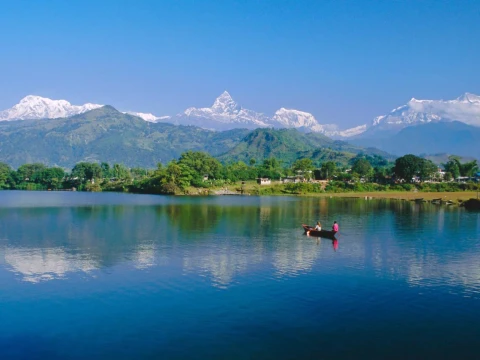
The Kathmandu Pokhara Chitwan Tour by Cross Border Travel & Tours is a perfect blend of cultural exploration, natural beauty, and wildlife adventure. The journey begins in Kathmandu, the vibrant capital of Nepal, renowned for its ancient temples, palaces, and UNESCO World Heritage Sites. Visitors will explore iconic landmarks like Swayambhunath Stupa, Pashupatinath Temple, and the historic squares of Durbar Square, immersing themselves in the rich history and spirituality of Nepal.After soaking in the culture, the tour continues with a scenic drive to Pokhara, a tranquil city nestled beside Phewa Lake and surrounded by the majestic Himalayas. Pokhara offers breathtaking sunrise views from Sarangkot, boating on the serene lake, and visits to the Devi’s Fall and Gupteshwor Cave. The final leg of the journey takes travelers to Chitwan National Park, where they experience the thrill of jungle safaris, elephant rides, canoeing, and wildlife spotting, including rhinos, deer, and various bird species. The tour concludes back in Kathmandu, offering a memorable and well-rounded Nepalese adventure.Explore Kathmandu’s UNESCO heritage sitesScenic drive to Pokhara with Himalayan vistasSunrise at Sarangkot and lakeside leisure in PokharaJungle safari and wildlife experiences in ChitwanBest Season for Kathmandu Pokhara Chitwan TourThe ideal time to embark on this tour is during the autumn (September to November) and spring (March to May) seasons. During these months, the weather is clear and pleasant, providing excellent visibility of the snow-capped Himalayan peaks, perfect for photography and sightseeing. Autumn brings festivals and a vibrant atmosphere in Kathmandu, while spring showcases blooming rhododendrons and lush greenery along the roads and trails.Monsoon season (June to August) is less suitable due to heavy rains that can affect road travel and jungle activities. Winter (December to February) is cooler, especially in the mountains, which may not be ideal for all travelers but can offer a peaceful, less crowded experience.Season Tips:Autumn: Clear skies and festive atmosphereSpring: Blossoming flowers and moderate temperaturesAvoid the monsoon for road safety and outdoor activitiesKathmandu Pokhara Chitwan Tour Difficulty and TransportationThis tour is suitable for all age groups with a moderate activity level. The journey involves mainly sightseeing, light walking, nature walks, and short hikes, making it accessible even for families and senior travelers. There are no extreme physical demands or high-altitude trekking involved.Transportation is managed via comfortable private vehicles by Cross Border Travel & Tours, ensuring safe and scenic drives between Kathmandu, Pokhara, and Chitwan. Flights can be arranged as an option between Kathmandu and Pokhara for those who prefer to save travel time. Local transportation in cities includes guided tours with organized transfers to major sites.Travel Info:Comfortable private car/van transfersOptional domestic flights Kathmandu ↔ PokharaShort walks and nature trails includedFood and Accommodation for Kathmandu Pokhara Chitwan TourDuring the tour, travelers enjoy a mix of local Nepali cuisine and international dishes at hotels and restaurants chosen for comfort and hygiene. Popular dishes include dal bhat, momo, and fresh river fish in Pokhara. Vegetarian and special dietary preferences can be accommodated upon request.Accommodation ranges from 3-star to boutique hotels, carefully selected by Cross Border Travel & Tours for convenience and comfort. In Kathmandu, hotels are centrally located near heritage sites, while Pokhara offers lakeside resorts with stunning mountain views. Chitwan stays are often near the national park with safari access, providing a balance of comfort and immersive nature experiences.Food & Stay Highlights:Safe, clean, and comfortable hotelsLakeside resorts in PokharaNepali and international cuisine optionsPersonalized dietary accommodationsKathmandu Pokhara Chitwan Tour PermitsMost areas on this tour do not require special permits, but Chitwan National Park requires entry permits, which Cross Border Travel & Tours arranges for travelers in advance. The permits ensure access to wildlife zones, safaris, and guided jungle activities. Additionally, a small fee for park conservation supports wildlife preservation. Travelers are advised to carry a valid identification, usually a passport, during the permit process.Permit Info:Chitwan National Park entry permit includedJungle safari and canoeing are authorized with a permitID required for all travelersWhy Choose Kathmandu Pokhara Chitwan TourChoosing the Kathmandu Pokhara Chitwan Tour with Cross Border Travel & Tours ensures a well-organized, hassle-free, and culturally rich experience. The company provides professional guides, comfortable transport, handpicked accommodations, and a carefully planned itinerary that balances sightseeing, adventure, and relaxation. Travelers can enjoy the best of Nepal in just 8 days without worrying about logistics.This tour is ideal for first-time visitors, families, and anyone seeking a diverse experience of Nepal, from heritage sites to Himalayan vistas and jungle wildlife. The combination of safety, local expertise, and personalized service makes this tour a memorable journey of Nepalese culture, nature, and adventure.Key Advantages:Expert local guides and curated itineraryComfortable transport and accommodationA combination of culture, nature, and wildlifeMemorable and stress-free travel experience
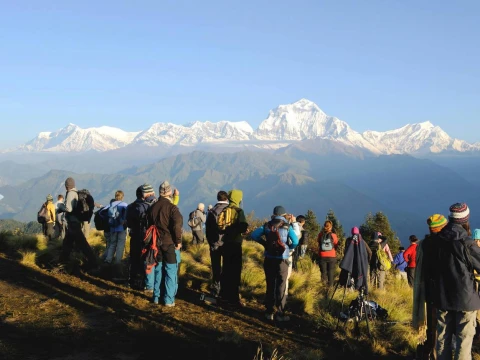
The Ghorepani Poon Hill Trek is one of Nepal’s most popular short treks, offering spectacular views of the Annapurna and Dhaulagiri mountain ranges. This trek takes you through lush rhododendron forests, traditional Gurung and Magar villages, terraced fields, and charming hilltop settlements. Starting from Nayapul, trekkers gradually ascend through Tikhedhunga and Ulleri, which is famous for its long stairway climb, before reaching Ghorepani. Ghorepani is a peaceful village at around 2,850 meters, offering a gateway to the iconic Poon Hill viewpoint.Poon Hill is the highlight of the trek, where sunrise views over the snow-capped peaks such as Annapurna South, Machapuchare (Fishtail), Dhaulagiri, and Hiunchuli leave trekkers in awe. The trek is ideal for nature lovers, photographers, and those seeking a relatively accessible Himalayan experience without high-altitude challenges. Cross Border Travel & Tours ensures a well-organized itinerary, guiding trekkers safely while allowing immersive cultural experiences in local villages.Panoramic sunrise at Poon HillVillages: Ulleri, Ghorepani, GhandrukRich rhododendron forestsCultural interaction with local Gurung communitiesBest Season for Ghorepani Poon Hill TrekkingThe best time to undertake the Ghorepani Poon Hill Trek is during the pre-monsoon (spring) and post-monsoon (autumn) seasons. From March to May, rhododendrons are in full bloom, painting the hillsides with vibrant red and pink hues. This season offers mild temperatures, clear skies, and excellent visibility of the Annapurna range. Autumn, from late September to November, provides stable weather, crisp air, and breathtaking mountain vistas, making it the most popular trekking season.Winter treks are possible but involve colder temperatures, especially at Ghorepani and Poon Hill, and may include snow on higher trails. Monsoon season (June to August) is generally avoided due to heavy rainfall, slippery trails, and leeches in forested areas. Cross Border Travel & Tours carefully schedules treks in these optimal periods to ensure safety, comfort, and maximum scenic enjoyment.Seasonal Recommendations:Spring (March–May): Rhododendron bloom, mild weatherAutumn (September–November): Clear skies, panoramic mountain viewsWinter (December–February): Cold but fewer touristsMonsoon (June–August): Not recommendedGhorepani Poon Hill Trekking Difficulty and TransportationThe Ghorepani Poon Hill Trek is categorized as an easy to moderate trek, suitable for beginners with a reasonable level of fitness. The trek involves gradual ascents and descents, with the most strenuous part being the Ulleri staircase climb (over 3,000 steps). Trekkers should be prepared for 4–6 hours of walking per day, occasionally on steep or uneven paths. At an altitude of 2,850 meters in Ghorepani, altitude sickness is rare but possible for sensitive trekkers.Transportation for the trek typically begins with a scenic drive from Kathmandu to Pokhara, followed by another drive from Pokhara to Nayapul, the trekking starting point. Cross Border Travel & Tours provides comfortable and safe transport, ensuring smooth transfers between destinations. Local buses, jeeps, or private vehicles are commonly used, and trekking is done on foot, allowing intimate access to villages and natural landscapes.Key Points:Difficulty: Easy to moderate, suitable for beginnersMaximum elevation: 2,850m at GhorepaniAverage trek duration: 4–6 hours/dayTransportation: Kathmandu ↔ Pokhara ↔ NayapulFood and Accommodation for Ghorepani Poon Hill TrekkingThe Ghorepani Poon Hill Trek offers a wide range of food and lodging options, primarily in teahouses along the trail. Trekkers can enjoy traditional Nepali meals such as dal bhat (lentil rice), momo (dumplings), vegetable curry, and soups, along with continental options like pasta and bread. Hot beverages like tea, coffee, and chocolate are readily available, which are perfect after a long day of trekking.Accommodation is generally in simple teahouses, providing basic amenities such as warm blankets, clean bedding, and shared bathrooms. In higher settlements like Ghorepani and Ghandruk, some teahouses offer private rooms. Cross Border Travel & Tours partners with trusted teahouses to ensure safety, cleanliness, and comfort, enhancing the trekking experience while supporting local communities.Food & Accommodation Highlights:Local Nepali meals: Dal Bhat, MomosSnacks and hot drinks availableTeahouse accommodation: Basic, cozy, and culturalSome private rooms in Ghorepani and GhandrukGhorepani Poon Hill Trekking PermitsAll trekkers in the Ghorepani Poon Hill region are required to have the Annapurna Conservation Area Permit (ACAP) and a Trekkers’ Information Management System (TIMS) card. The ACAP permit helps fund conservation projects and community development in the Annapurna region, while the TIMS card ensures safety and tracking of trekkers. These permits are mandatory for both solo and guided treks and are easily obtainable in Kathmandu or Pokhara.Cross Border Travel & Tours assists trekkers in acquiring the necessary permits before the trek, streamlining the process and ensuring compliance with local regulations. Carrying proper identification, passport-sized photos, and the required fees is essential for permit approval. Proper permits not only support sustainable tourism but also guarantee legal access to trekking trails.Permit Details:ACAP: Required for the Annapurna regionTIMS: Trekker registration for safetyLocation: Kathmandu or Pokhara officesAssistance: Provided by Cross Border Travel & ToursWhy Choose Ghorepani Poon Hill TrekkingThe Ghorepani Poon Hill Trek is ideal for travelers seeking a compact, scenic Himalayan experience. It combines natural beauty, cultural immersion, and manageable trekking challenges in a well-organized package. The sunrise view from Poon Hill is an unforgettable highlight, complemented by charming villages, terraced fields, and diverse flora and fauna along the trail.Choosing Cross Border Travel & Tours ensures professional guidance, secure transport, and well-coordinated logistics. Their experienced trekking guides offer insight into local culture, flora, and fauna, enhancing the overall adventure. The company prioritizes safety, comfort, and sustainability, making the Ghorepani Poon Hill Trek an enriching and hassle-free experience for all trekkers, whether beginners or seasoned hikers.Reasons to Choose This Trek:Accessible short trek with stunning mountain viewsCultural interaction with the Gurung and Magar communitiesExperienced guides and organized logisticsSafe, comfortable, and memorable trekking experience
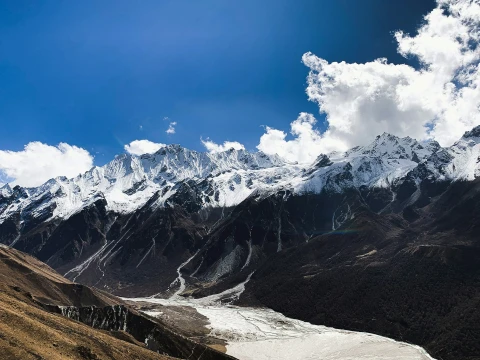
The Langtang Valley Trek is one of Nepal’s most scenic and culturally rich trekking routes. Nestled north of Kathmandu, the valley is known for its lush forests, snow-capped mountains, and serene alpine meadows. Starting from Kathmandu, trekkers pass through traditional Tamang and Sherpa villages, witnessing the daily life of the local communities. The trail gradually ascends through dense rhododendron and pine forests, offering breathtaking views of peaks like Langtang Lirung (7,227m).The trek also includes a visit to Kyanjin Gompa, a spiritual hub surrounded by glaciers and high mountains. Hikers can enjoy a side hike to Tserko Ri for panoramic views of Langtang Valley and the surrounding Himalayan peaks. Along the way, trekkers will explore picturesque villages such as Lama Hotel and Langtang Village, each offering insight into local traditions and culture.Stunning Himalayan scenery, including Langtang LirungTraditional Tamang and Sherpa villagesTrekking to Kyanjin Gompa and Tserko RiRich flora and fauna, including rhododendrons and Himalayan birdsBest Season for Langtang Valley TrekThe Langtang Valley Trek is accessible year-round, but the best trekking seasons are spring (March–May) and autumn (September–November). In spring, the valleys bloom with colorful rhododendrons and other alpine flowers, while autumn provides clear skies and perfect mountain views.Winter offers fewer crowds and serene landscapes, but temperatures can drop below freezing, making higher altitudes challenging. Monsoon season (June–August) brings heavy rainfall, landslides, and slippery trails, so it is less recommended for casual trekkers.Season Highlights:Spring: Blooming rhododendrons, moderate temperaturesAutumn: Clear skies, perfect mountain visibilityWinter: Peaceful trails, snow-covered landscapesMonsoon: Heavy rainfall, slippery paths (not recommended)Langtang Valley Trek Difficulty and TransportationThe Langtang Valley Trek is considered moderate in difficulty. The trekking trail gradually ascends, allowing trekkers to acclimatize to high altitudes. While it is suitable for beginners with some trekking experience, certain sections, especially the hike to Tserko Ri (5,000m), require good stamina and physical fitness.Transportation to the trek starts with a drive from Kathmandu to Syabrubesi (7–8 hours), a scenic route passing through hills, rivers, and local villages. The return journey is similarly via road, ensuring flexibility for travelers.Trek Facts:Trek Duration: 9–10 daysMaximum Altitude: 5,000m at Tserko RiDifficulty: ModerateTransportation: Kathmandu to Syabrubesi by private jeep or busFood and Accommodation for Langtang Valley TrekAlong the Langtang Valley, trekkers can stay in teahouses and lodges in every major village. The accommodations are basic but comfortable, providing warm meals, tea, and blankets. The focus is on simplicity and experiencing local hospitality.Food includes typical Nepali dishes such as dal bhat (rice and lentils), momo (dumplings), noodles, and soups. Vegetarians can easily find options in most lodges. Trekkers should carry energy bars and snacks for longer hiking days.Key Points:Accommodation: Teahouses in Lama Hotel, Langtang Village, Kyanjin GompaMeals: Local Nepali dishes, soups, noodles, and snacksWater: Bottled or boiled water recommendedComfort Level: Basic but cozy with mountain viewsLangtang Valley Trek PermitsTrekking in Langtang Valley requires two main permits: the TIMS Card (Trekkers’ Information Management System) and the Langtang National Park Permit. These permits are essential for entry and safety management within the region. Cross Border Travel & Tours assists trekkers with all permit arrangements, ensuring a smooth start to the trek.Permit Details:TIMS Card: Required for all trekkersLangtang National Park Permit: Entry to protected areasCost: Varies for domestic and international trekkersProcessing: Can be obtained in Kathmandu before departureWhy Choose Langtang Valley Trek with Cross Border Travel & ToursChoosing Cross Border Travel & Tours ensures a hassle-free and safe trekking experience. The company offers expert guides, comfortable accommodations, and personalized itineraries. They also provide local insights into culture, flora, fauna, and mountain safety, enhancing the overall trekking experience.Cross Border Travel & Tours is renowned for its attention to detail, flexibility, and commitment to responsible tourism. Their support team handles logistics, permits, transportation, and emergencies, allowing trekkers to focus solely on enjoying the Langtang adventure.Reasons to Choose:Experienced local guides and support staffComprehensive logistics and permit handlingFocus on safety and cultural experienceTailored itineraries for all levels of trekkers
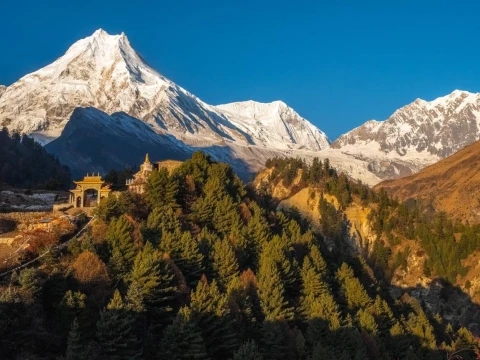
The Manaslu Circuit Trek, organised by Cross Border Travel & Tours, is one of Nepal’s most spectacular and remote trekking routes. Encircling the majestic Manaslu (8,163 m / 26,781 ft), the eighth-highest peak in the world, this trek offers breathtaking Himalayan landscapes, traditional Gurung and Tibetan-influenced villages, and rich cultural experiences. Starting in Kathmandu, the journey gradually ascends through lush forests, terraced farmlands, and high-altitude settlements, culminating at the iconic Larkya La Pass (5,106 m / 16,752 ft), which provides panoramic views of snow-clad peaks and glaciers.This trek is not just about the scenery; it’s an immersive cultural journey. Trekkers pass through small villages such as Dovan, Philim, Namrung, Lo-Gaon, Sama-Gaon, and Samdo, experiencing local life, traditional foods, and warm hospitality. The route combines moderate trekking days with strategic rest and acclimatisation days, especially at Sama-Gaon, to prepare trekkers for the challenging high passes. The trek finishes by descending through lush valleys back to Besisahar and driving to Kathmandu, allowing trekkers to reflect on a journey that blends adventure, nature, and culture.Encircle Mount Manaslu, 8th highest peak.Traverse remote Gurung and Tibetan villages.Cross Larkya La Pass (5,106 m / 16,752 ft).Experience diverse landscapes: forests, rivers, glaciers, and high-altitude deserts.Best Season for Manaslu Circuit TrekThe best time to undertake the Manaslu Circuit Trek is during spring (March–May) and autumn (September–November). During these months, the weather is generally stable, offering clear skies, mild temperatures, and optimal views of the Himalayas. Spring brings blooming rhododendrons and vibrant flora, while autumn showcases golden valleys and crisp mountain scenery.Winter trekking is possible but challenging due to heavy snowfall and cold temperatures, particularly around high passes like Larkya La. Summer (June–August) is generally avoided because of monsoon rains, landslides, and leeches in lower regions. Proper timing ensures not only safer trekking conditions but also better photographic opportunities and a more enjoyable overall experience.Key Points:Spring (Mar–May): Blooming rhododendrons and pleasant temperatures.Autumn (Sep–Nov): Clear skies and vibrant landscapes.Winter: Cold, risky at high altitudes.Monsoon (Jun–Aug): Slippery trails and landslides.Manaslu Circuit Trek Difficulty and TransportationThe trek is considered moderate to challenging, suitable for trekkers with prior experience in high-altitude trekking. Daily walking ranges from 5 to 8 hours, with the highest point being Larkya La Pass (5,106 m). Altitude sickness is a potential risk, so acclimatisation days, such as at Sama-Gaon, are crucial. Fitness, endurance, and proper preparation are necessary to complete the trek comfortably.Transportation involves a combination of flights, drives, and trekking. Most itineraries start with a drive from Kathmandu to Machha Khola, followed by trekking through the circuit villages, and finish with a drive from Dharapani or Besisahar back to Kathmandu. Road conditions can vary, so hiring a reliable company like Cross Border Travel & Tours ensures safe and efficient travel logistics.Key Points:Moderate to challenging difficulty; high-altitude trekking.Trekking duration: 12–14 days on the trail.Maximum altitude: 5,106 m at Larkya La Pass.Transportation: Drive to Machha Khola, trek circuit, drive back to Kathmandu.Food and Accommodation for Manaslu Circuit TrekFood and accommodation are basic but comfortable along the Manaslu Circuit. Trekkers stay in tea houses or lodges, which provide warm beds, hot showers (where available), and home-cooked meals. Cuisine varies from Nepali staples such as dal bhat (lentils and rice), momo (dumplings), and noodles to Tibetan-influenced dishes in high-altitude villages.Hydration and nutrition are important during long trekking days, and it’s advisable to carry water purification methods. The lodges along the route often provide tea, coffee, and snacks, making breaks cosy and welcoming. Booking through Cross Border Travel & Tours ensures that accommodation and meal arrangements are handled efficiently, avoiding last-minute hassles.Key Points:Accommodation: Tea houses and lodges.Food: Local Nepali and Tibetan-influenced meals.Hot drinks and snacks available along the trail.Basic facilities, but clean and safe.Manaslu Circuit Trek PermitsThe Manaslu region is a restricted trekking area, so special permits are required. These include:Manaslu Restricted Area Permit (RAP).Annapurna Conservation Area Permit (ACAP) for certain sections.Trekkers’ registration at checkpoints along the route.These permits regulate tourism and help preserve the fragile ecosystem while providing income for local communities. Cross Border Travel & Tours handles all necessary permits, ensuring trekkers comply with regulations and enjoy a hassle-free experience.Key Points:Required permits: Manaslu RAP, ACAP, and local check-ins.Permits support conservation and local communities.Company-managed permits simplify the process.Why Choose Manaslu Circuit TrekChoosing the Manaslu Circuit Trek with Cross Border Travel & Tours offers a unique combination of adventure, cultural immersion, and safety. Unlike crowded treks such as the Annapurna or Everest regions, Manaslu provides a remote and pristine trekking experience. Trekkers enjoy spectacular views, traditional villages, and challenging but rewarding trails.Cross Border Travel & Tours ensures experienced guides, reliable transportation, comfortable accommodation, and proper acclimatisation plans. With their support, trekkers can focus on the journey while experts handle logistics, permits, and safety. This makes the Manaslu Circuit Trek a perfect choice for adventurers seeking both natural beauty and cultural authenticity in the Himalayas.Key Points:A remote and less crowded trek.Stunning landscapes and cultural experiences.Expert guides and logistics management.Safe and well-organised adventure.
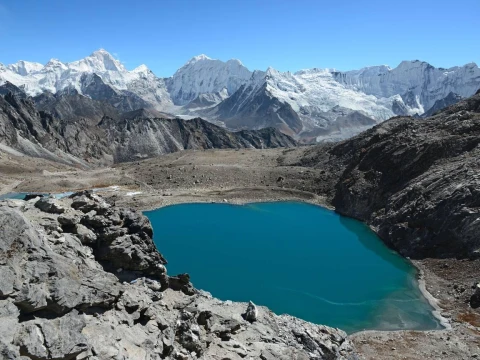
The Everest Three Pass Trek is one of the most spectacular and challenging trekking routes in Nepal, offering adventure seekers an opportunity to explore the heart of the Khumbu region. Unlike the classic Everest Base Camp trek, this journey takes trekkers across three high passes—Kongma La, Cho La, and Renjo La—providing a unique combination of breathtaking landscapes, remote villages, and awe-inspiring Himalayan peaks. Starting with a scenic flight from Kathmandu to Lukla, trekkers gradually ascend through Sherpa villages, lush rhododendron forests, and terraced farmlands, allowing ample time to acclimatize while immersing in local culture. The trek includes iconic stops such as Namche Bazaar, Tengboche Monastery, and Gokyo Lakes, making it a blend of adventure and cultural exploration.Each pass challenges trekkers to push their limits while offering panoramic views of towering mountains like Everest, Lhotse, Makalu, and Cho Oyu. From the stunning viewpoints of Kala Patthar to the serene turquoise waters of the Gokyo Lakes, this trek guarantees unforgettable vistas at every turn. Along the way, trekkers also have the chance to interact with the Sherpa communities, learn about Buddhist culture, and visit ancient monasteries that have been centers of spiritual life for centuries. The trek typically takes 19-20 days, providing a perfect balance between adventure, acclimatization, and leisure exploration, making it suitable for experienced trekkers looking for both physical challenge and cultural immersion.Cross three high Himalayan passes: Kongma La, Cho La, and Renjo La.Visit Everest Base Camp and Kala Patthar for iconic mountain views.Explore Gokyo Lakes, Tengboche Monastery, and Sherpa villages.Experience diverse landscapes: glaciers, high alpine passes, forests, and terraced fields.Immerse in Sherpa culture and Buddhist traditions.Best Season for Everest Three Pass TrekThe Everest Three Pass Trek can technically be attempted year-round, but the best seasons for trekking are autumn (late September to November) and spring (March to May). During these periods, the weather is generally stable, the skies are clear, and mountain views are unobstructed. Autumn is particularly popular because the air is crisp, daytime temperatures are pleasant, and the landscapes are vibrant after the monsoon. Spring is equally spectacular as rhododendrons bloom along the trails, adding splashes of red and pink to the green valleys.Winter months (December to February) are less recommended due to heavy snowfall, extreme cold, and risk of avalanches on high passes. Similarly, the monsoon season (June to early September) brings frequent rain, slippery trails, and poor visibility, which can make trekking more dangerous. However, some adventurous trekkers attempt winter crossings for solitude and snow-covered scenery, though it requires advanced preparation and experience. Proper planning around weather and altitude acclimatization is essential, as this trek involves several passes above 5,000 meters, which can increase the risk of altitude sickness if done during less ideal seasons.Seasonal considerations:Autumn (Sept–Nov): Clear skies, excellent visibility, stable weather.Spring (Mar–May): Blooming rhododendrons, moderate temperatures, great views.Winter (Dec–Feb): Cold, snowy, risk of avalanches, fewer trekkers.Monsoon (Jun–Aug): Heavy rain, slippery trails, possible landslides.Everest Three Pass Trek Difficulty and TransportationThe Everest Three Pass Trek is classified as moderate to strenuous, suitable for trekkers with prior high-altitude experience and good physical fitness. The trek covers approximately 220-250 km over 19-20 days, including multiple high passes and long days of hiking at elevations exceeding 5,000 meters. Altitude acclimatization is crucial, and the itinerary includes strategic rest and acclimatization days at Namche Bazaar, Dingboche, and Gokyo to minimize the risk of altitude sickness. Trekking at such high elevations requires stamina, strong cardiovascular health, and mental resilience, as weather conditions can change rapidly.Transportation for this trek begins with a domestic flight from Kathmandu to Lukla, often considered one of the most thrilling flights due to the short runway and mountainous terrain. From Lukla, trekking is the primary mode of travel, with trails connecting small villages and tea houses along the way. On certain treks, helicopters may be used for emergencies or early return from high passes, but standard routes rely entirely on walking. Daily trekking hours range from 5 to 9 hours, with moderate ascents, steep climbs over passes, and occasional descents into glacial valleys. Proper hiking gear, sturdy boots, and trekking poles are essential for safety and comfort.Key points about difficulty and transport:Moderate to strenuous trek; high-altitude experience recommended.Daily trekking 5–9 hours with steep ascents and descents.Requires strong stamina, mental resilience, and acclimatization.Lukla flight: short runway, scenic but challenging.Entire trek done on foot with local teahouses for rest stops.Food and Accommodation for the Everest Three Pass TrekDuring the Everest Three Pass Trek, food and accommodation are largely organized in tea houses and lodges along the trail. These local lodges offer basic but comfortable rooms with shared or private bathrooms, hot showers at extra cost, and common dining areas. The teahouses are cozy and provide an opportunity to rest and socialize with fellow trekkers. Accommodation standards vary depending on location, with more basic facilities available at higher elevations like Chhukung, Lobuche, and Gorak Shep.The cuisine mainly consists of Nepali and Tibetan dishes, including dal bhat (lentil soup with rice), momo (dumplings), noodles, porridge, and soups. Fresh vegetables and fruits may be limited at higher elevations, so high-energy snacks such as chocolate, nuts, and protein bars are recommended. Meals are hearty to help replenish energy lost during long trekking days. Tea houses provide warm tea, coffee, and hot water, essential for staying hydrated in cold, high-altitude conditions. Trekkers should also carry personal essentials, as small shops may not stock all items in remote villages.Summary of food and lodging:Tea houses and lodges along the trail.Private and shared rooms; hot showers available at extra cost.Local cuisine: dal bhat, momo, noodles, soups, porridge.Snacks are recommended for energy during long trekking days.Limited availability of fresh fruits and vegetables at high altitudes.Everest Three Pass Trek PermitsTo undertake the Everest Three Pass Trek, trekkers require specific permits issued by the Nepal government. These permits include the Sagarmatha National Park Permit and the Khumbu Pasang Lhamu Rural Municipality Permit. The Sagarmatha National Park Permit allows entry into the national park, which is home to the world’s highest peaks, including Everest. The Khumbu Pasang Lhamu Rural Municipality Permit is required to trek in restricted areas beyond Namche Bazaar, including the high passes and remote Gokyo regions.Additionally, trekkers are required to carry a TIMS (Trekkers’ Information Management System) card, which ensures safety tracking and helps authorities monitor trekking activities in the region. Permits can be arranged in advance by your trekking company, Cross Border Travel & Tours, or obtained upon arrival in Kathmandu. It is important to carry original permits and identification during the trek, as park authorities frequently check trekkers along the trail. These permits contribute to conservation efforts, ensuring the preservation of the natural and cultural heritage of the Khumbu region.Permit essentials:Sagarmatha National Park Permit: Required for entry into the park.Khumbu Pasang Lhamu Rural Municipality Permit: Required for high pass regions.TIMS Card: Ensures trekkers’ safety and monitoring.Permits can be arranged by trekking agencies or obtained in Kathmandu.Why Choose Everest Three Pass TrekChoosing the Everest Three Pass Trek with Cross Border Travel & Tours offers an unmatched combination of adventure, culture, and natural beauty. This trek stands out for its high-altitude challenge, crossing three passes above 5,300 meters, while also providing opportunities to visit Everest Base Camp, Kala Patthar, and the stunning Gokyo Lakes. It is perfect for trekkers who want a more remote and exhilarating alternative to the standard Everest Base Camp trek.Cross Border Travel & Tours ensures a seamless trekking experience with experienced guides, porters, and well-planned itineraries. The company emphasizes safety, acclimatization, and cultural immersion, allowing trekkers to enjoy the journey without logistical stress. From securing permits to arranging comfortable tea house stays and providing knowledgeable local guides, every aspect is handled professionally. Trekkers can expect spectacular mountain vistas, rich Sherpa culture, and memories of one of the most iconic trekking experiences on Earth.Reasons to choose this trek:Cross three high Himalayan passes for ultimate adventure.Visit Everest Base Camp, Kala Patthar, and Gokyo Lakes.Experienced guides and porters ensure safety and comfort.Cultural immersion in Sherpa villages and monasteries.Professionally organized by Cross Border Travel & Tours for a hassle-free experience.
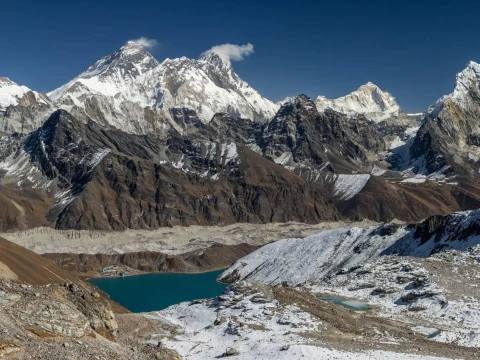
The Gokyo Lake Trek, organized by Cross Border Travel & Tours, is one of the most breathtaking Himalayan treks, offering panoramic views of some of the highest peaks in the world, including Mount Everest, Cho Oyu, and Makalu. Unlike the traditional Everest Base Camp route, this trek takes you through pristine glacial lakes, remote Sherpa villages, and less crowded trails, allowing trekkers to experience the serene beauty of the Khumbu region. Starting from Kathmandu, the journey begins with a scenic flight to Lukla, followed by a trek through picturesque landscapes and vibrant villages.The trek also includes the famous Gokyo Ri climb, which provides 360-degree views of the surrounding Himalayan giants. Trekkers pass through Namche Bazaar, the gateway to the high Himalayas, and navigate through suspension bridges, rhododendron forests, and high-altitude settlements. This route is perfect for those who seek adventure, cultural immersion, and the tranquility of high-altitude lakes, culminating in a rewarding panorama from Gokyo Ri.Scenic flight from Kathmandu to LuklaTrek through Sherpa villages and rhododendron forestsVisit the 3rd and 4th Gokyo LakesClimb Gokyo Ri for panoramic Himalayan viewsLess crowded than the Everest Base Camp routeBest Season for Gokyo Lake TrekThe Gokyo Lake Trek can be done throughout the year, but the best seasons are autumn (September to November) and spring (March to May). During these periods, the skies are clear, and the weather is stable, providing excellent visibility of the mountains. Autumn brings dry weather and vibrant landscapes, while spring offers blooming rhododendrons and alpine flora, making the trek even more picturesque.Winter is cold and snowy, but it can offer quiet trails for experienced trekkers who can handle sub-zero temperatures. Summer, on the other hand, brings heavy monsoon rains, which make trails slippery and increase the risk of landslides. Proper planning with Cross Border Travel & Tours ensures that trekkers experience the journey during optimal weather conditions for safety and stunning scenery.Best Times to Trek:Autumn: September – November (clear skies, moderate temperatures)Spring: March – May (blooming flowers, clear views)Avoid: June – August (monsoon season, slippery trails)Gokyo Lake Trek Difficulty and TransportationThe trek is considered moderate to challenging, primarily due to the high altitudes and long walking hours. Trekkers need to be prepared for steep ascents, descents, and potential altitude sickness, particularly around Gokyo Ri (5,357 m). The acclimatization days in Namche Bazaar and Machhermo are essential to prevent altitude-related issues.Transportation to the trailhead is convenient, starting with a flight from Kathmandu to Lukla, which is an adventure in itself as it offers a bird’s-eye view of the Himalayas. The return journey also includes the Lukla-Kathmandu flight. On the trail, trekking is the only mode of travel, allowing you to fully immerse in the scenic landscapes and traditional villages along the route.Key Points:Trek difficulty: Moderate to challengingHighest point: Gokyo Ri (5,357 m)Transportation: Kathmandu-Lukla-Kathmandu by flightTrekking on foot between villages and lakesFood and Accommodation for Gokyo Lake TrekDuring the Gokyo Lake Trek, accommodation is primarily in teahouses and lodges, which are comfortable yet simple. These lodges offer basic amenities, warm beds, and shared bathrooms. Staying at high-altitude lodges is an essential part of acclimatization, and Cross Border Travel & Tours ensures that trekkers have reliable lodging options throughout the journey.Food on the trek includes Nepali and Western cuisine, such as dal bhat (rice and lentil soup), noodles, pasta, soups, and omelets. While options may be limited at higher elevations, meals are nutritious and designed to provide the energy required for long trekking days. Trekkers are advised to drink plenty of water, herbal teas, or electrolyte drinks to stay hydrated and maintain energy levels.Highlights:Accommodation: Teahouses and lodgesFood: Nepali and Western meals (dal bhat, noodles, soups)Hot drinks available to aid in acclimatizationLodges arranged by Cross Border Travel & ToursGokyo Lake Trek PermitsTrekking in the Gokyo region requires specific permits. Cross Border Travel & Tours assists trekkers in obtaining all necessary documents to ensure a hassle-free journey. The required permits include:Sagarmatha National Park Entry Permit: Mandatory for all trekkers in the Everest region.TIMS Card (Trekkers’ Information Management System): Required for trekking in Nepal’s restricted areas for safety and tracking.These permits help protect the natural environment and maintain trekking regulations. Trekking without proper permits is illegal and may result in fines or restricted access to certain areas.Permit Summary:Sagarmatha National Park Entry PermitTIMS Card for trekkersArranged by Cross Border Travel & Tours for convenienceWhy Choose Gokyo Lake Trek with Cross Border Travel & ToursChoosing Cross Border Travel & Tours for the Gokyo Lake Trek ensures a safe, organized, and unforgettable experience. With years of experience in organizing Himalayan treks, the company provides:Experienced guides familiar with the regionPre-arranged lodges and meals along the trailSupport with permits and local logisticsSafety monitoring and acclimatization planningPersonalized attention to make the trek memorableThis trek is ideal for adventure seekers, nature lovers, and photographers who want to experience untouched lakes, towering peaks, and Sherpa culture in a less crowded environment. With Cross Border Travel & Tours, trekkers can focus on the journey and scenery while the logistics and safety are professionally managed.Reasons to Choose:Expert guides and staffComfortable lodges and nutritious mealsHassle-free permits and travel arrangementsScenic and less crowded trekking route
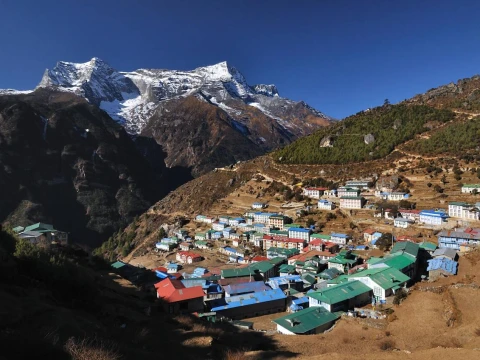
The Everest Panorama Trek, organized by Cross Border Travel & Tours, is a spectacular adventure in the heart of the Nepalese Himalayas. Unlike the full Everest Base Camp trek, this trek offers a shorter yet equally rewarding experience, allowing trekkers to enjoy breathtaking views of the world’s highest peak, Mount Everest (8,848m), along with other iconic Himalayan mountains such as Lhotse, Nuptse, Ama Dablam, and Thamserku. The trek begins in Kathmandu, the capital city of Nepal, where travelers are greeted with vibrant culture, historic temples, and bustling markets. From Kathmandu, participants fly to Lukla, the gateway to the Everest region, and begin the trek towards charming Sherpa villages, picturesque landscapes, and high-altitude forests.This trek is ideal for travelers seeking a moderate trekking challenge combined with rich cultural experiences. Along the way, you will visit renowned Sherpa villages like Namche Bazaar, Tengboche, and Khumjung, offering insight into the unique Tibetan-influenced lifestyle of the Himalayan people. The trek also includes acclimatization days, particularly in Namche Bazaar, to reduce the risk of altitude sickness and to allow trekkers to enjoy scenic hikes around the village. Highlights of the trek include panoramic mountain vistas, the spiritual ambiance of Tengboche Monastery, and the chance to witness traditional Sherpa hospitality in cozy teahouses along the trail.Panoramic views of Mount Everest and surrounding peaksCultural encounters in Sherpa villagesScenic forested trails and suspension bridgesSpiritual visit to Tengboche MonasteryBest Season for Everest Panorama TrekThe Everest Panorama Trek can technically be undertaken year-round, but the best seasons are spring (March to May) and autumn (late September to November). During these periods, the weather is stable, the skies are mostly clear, and the mountain views are at their sharpest. Spring offers blooming rhododendrons along the trail, adding vibrant colors to the trek, while autumn provides crisp air and excellent visibility of the Himalayan range.Winter trekking (December to February) is possible but can be extremely cold, especially in higher altitudes like Tengboche and Namche Bazaar. Summer (June to August) coincides with the monsoon season, bringing heavy rain and muddy trails, which may reduce visibility and increase the risk of landslides. Planning your trek with Cross Border Travel & Tours during the optimal season ensures safety, comfortable conditions, and the best photographic opportunities.Seasonal summary:Spring (March–May): Blooming rhododendrons, clear skiesAutumn (Sept–Nov): Crisp air, stable weather, peak visibilityWinter (Dec–Feb): Cold, fewer trekkers, snowy trailsMonsoon (Jun–Aug): Rainy, slippery trails, less visibilityEverest Panorama Trek Difficulty and TransportationThe Everest Panorama Trek is considered a moderate trek, suitable for physically fit beginners and experienced trekkers who want a shorter Everest adventure. The trek involves walking 4–6 hours per day on average, with gradual altitude gains to allow for proper acclimatization. While it does not require technical climbing skills, trekkers should be prepared for high-altitude trekking challenges, such as thinner air, steep ascents, and uneven terrain.Transportation starts in Kathmandu, where travelers can explore the city before flying to Lukla, the starting point of the trek. The flight to Lukla itself is a thrilling experience, offering dramatic aerial views of the Himalayas. From Lukla, the trek proceeds on foot through a combination of forest trails, suspension bridges, and high-altitude villages. Return transportation includes a flight back to Kathmandu from Lukla, where trekkers can relax after an unforgettable mountain adventure.Transportation and difficulty overview:Difficulty: Moderate, suitable for fit beginnersTrek duration: 9–11 daysDaily trek time: 4–6 hours on averageTransportation: Flight Kathmandu–Lukla, trekking, flight Lukla–KathmanduFood and Accommodation for Everest Panorama TrekAccommodation along the Everest Panorama Trek is primarily in teahouses, locally-run lodges that provide basic rooms and meals. Rooms typically include a bed, blankets, and shared or private bathrooms, depending on the lodge. Staying in teahouses offers an authentic cultural experience, as travelers interact with Sherpa families and other trekkers while enjoying warm meals and hospitality.Food is simple but nourishing, designed to keep trekkers energized at high altitudes. Popular options include dal bhat (lentil rice), noodles, soups, and Tibetan-style momos (dumplings). Tea, coffee, and hot chocolate are widely available, helping trekkers stay warm in chilly mountain conditions. Cross Border Travel & Tours ensures that all arrangements meet hygiene and comfort standards, so trekkers can focus on the scenic journey rather than logistical concerns.Food and accommodation highlights:Cozy teahouse lodging along the trailLocal Nepali and Tibetan-style mealsHot beverages to combat cold temperaturesInteraction with Sherpa hosts for cultural immersionEverest Panorama Trek PermitsTrekking in the Everest region requires a few essential permits. The main permits for the Everest Panorama Trek include:TIMS Card (Trekkers’ Information Management System) – required for all trekkers in Nepal to ensure safety and manage trekking regulations.Sagarmatha National Park Entry Permit – mandatory for entering the Everest region, as it is a protected area with unique flora, fauna, and cultural sites.Obtaining these permits is straightforward, and Cross Border Travel & Tours handles all arrangements on behalf of trekkers. Having proper permits ensures legal trekking, supports conservation efforts, and helps maintain the trails and local communities.Key permit details:TIMS Card – For all trekkersSagarmatha National Park Permit – Required for the Everest regionArranged conveniently by the trekking companyWhy Choose Everest Panorama TrekChoosing the Everest Panorama Trek with Cross Border Travel & Tours offers a perfect balance of adventure, culture, and comfort. Unlike longer treks, it allows travelers to witness the majesty of Everest and the surrounding peaks in a shorter timeframe, making it ideal for first-time trekkers or those with limited vacation days. The trek is well-structured, offering gradual acclimatization, cultural encounters, and spectacular photo opportunities.The company prides itself on providing experienced guides, safety-focused planning, and personalized service throughout the trek. From comfortable teahouse accommodations to local cultural immersion, every detail is designed to create a seamless Himalayan adventure. The Everest Panorama Trek is not just a journey through mountains but an opportunity to experience the vibrant Sherpa culture, stunning landscapes, and the sense of accomplishment that comes with exploring the world’s highest peaks.Reasons to choose this trek:Short yet immersive Everest experienceExperienced guides and safe trekking arrangementsCultural interaction in Sherpa villagesPanoramic mountain views without extreme physical demand
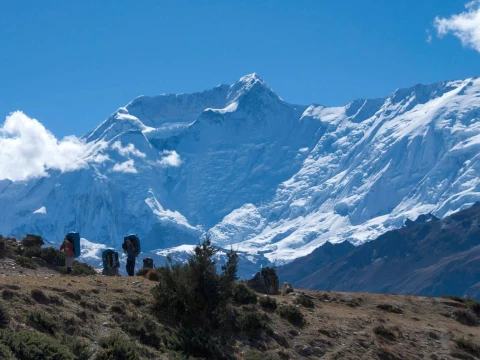
The Annapurna Circuit Trek, offered by Cross Border Travel & Tours, is one of the most iconic trekking routes in Nepal. This trek takes you through diverse landscapes, from subtropical lowlands to alpine peaks, passing through lush forests, traditional villages, and terraced fields. Starting from Kathmandu, the journey begins with a drive to Syange or Jagat, followed by trekking through the villages of Dharapani, Chame, Pisang, and Manang. The trek also includes a challenging passage over Thorong La Pass (5,416m/17,769 ft), which is one of the highest trekking passes in the world.Trekking the Annapurna Circuit provides not only breathtaking Himalayan views but also a cultural immersion into the lives of local communities, including Gurung, Thakali, and Manangi people. The trail offers panoramic views of majestic peaks such as Annapurna I, Dhaulagiri, Gangapurna, and Machapuchare (Fishtail). Each day’s journey is meticulously planned by Cross Border Travel & Tours, ensuring a balance of trekking duration, altitude acclimatization, and cultural experiences. The trek concludes with a scenic descent to Pokhara, known for its serene lakes and vibrant city life, before returning to Kathmandu for your final departure.Diverse landscapes: subtropical forests to high alpine terrainCultural immersion in traditional Himalayan villagesSpectacular views of the Annapurna and Dhaulagiri rangesCrossing Thorong La Pass at 5,416mA combination of trekking and scenic drivesBest Season for Annapurna Circuit TrekThe best times to trek the Annapurna Circuit are spring (March to May) and autumn (September to November). During spring, rhododendrons bloom along the trails, creating vibrant landscapes, while autumn offers clear skies and unobstructed views of the Himalayan peaks. These seasons are favored because the weather is generally stable, temperatures are moderate, and the trails are dry and accessible.Winter (December to February) is colder, especially in high-altitude areas like Thorong Phedi and Muktinath, where heavy snow can make some sections challenging. Monsoon season (June to August) brings heavy rainfall, slippery trails, and leeches in lower regions, though it offers lush green landscapes and fewer tourists. Cross Border Travel & Tours customizes itineraries by season, ensuring safety, comfort, and the best trekking experience throughout the year.Seasonal Tips:Spring: rhododendron blooms, moderate temperaturesAutumn: clear skies, peak visibility of the Himalayan rangesWinter: fewer crowds, but cold and possible snowMonsoon: lush scenery, trails may be slipperyAnnapurna Circuit Trek Difficulty and TransportationThe Annapurna Circuit Trek is considered moderate to challenging, mainly due to the high altitude and long trekking days. Daily treks range from 3 to 8 hours, gradually increasing in elevation, which allows for proper acclimatization. The most strenuous section is crossing Thorong La Pass, requiring early morning preparation, sturdy trekking boots, and mental endurance. Trekking experience is helpful, though beginners can manage with proper fitness training and guidance from experienced guides provided by Cross Border Travel & Tours.Transportation for the trek includes a combination of private vehicle transfers and trekking on foot. Initially, you’ll drive from Kathmandu to Syange/Jagat, and after completing the circuit, the route involves scenic drives from Muktinath to Tatopani and from Pokhara back to Kathmandu. Local jeeps or buses are used for long-distance transfers, while trekking remains the primary mode in hilly and mountainous terrain. This combination ensures a mix of adventure, comfort, and efficiency in covering the Annapurna Circuit.Transportation and Difficulty Highlights:Trekking duration: 5-8 hrs/day, moderate to challengingHighest point: Thorong La Pass (5,416m)Private vehicle transfers: Kathmandu–Syange/Jagat, Muktinath–Tatopani, Pokhara–KathmanduGradual altitude acclimatization to prevent sicknessFood and Accommodation for Annapurna Circuit TrekDuring the trek, food is generally available in teahouses and lodges, which serve both local Nepali dishes and international options. Popular meals include dal bhat (lentil rice), momo (dumplings), noodles, and soups. Cross Border Travel & Tours ensures trekkers have access to nutritious meals to maintain energy levels at high altitudes. It’s recommended to carry snacks and energy bars for long trekking days, especially when passing remote regions like Yak Kharka and Thorong Phedi.Accommodation along the Annapurna Circuit is typically in basic lodges or teahouses, which provide beds, blankets, and shared bathrooms. In major villages such as Manang and Chame, lodges may offer slightly more comfort with hot showers and Wi-Fi. Despite being simple, these accommodations offer a warm and cozy environment, allowing trekkers to rest and acclimatize properly. The combination of homely hospitality and the scenic backdrop makes each night memorable.Food and Accommodation Tips:Meals: local Nepali and international options, dal bhat stapleSnacks: energy bars, nuts, and chocolate for trekking daysLodges: basic teahouses, beds, blankets, shared bathroomsComfort: hot showers and Wi-Fi are available in major villagesAnnapurna Circuit Trek PermitsTrekking in the Annapurna region requires specific permits, which are managed efficiently by Cross Border Travel & Tours. The primary permits are:Annapurna Conservation Area Permit (ACAP) – mandatory for all trekkers, allowing entry into the Annapurna Conservation Area.Trekkers’ Information Management System (TIMS) Card – helps ensure trekkers’ safety and registration.These permits are essential for legal trekking and environmental conservation in the region. They can be obtained in Kathmandu or Pokhara, but arranging them through a trekking agency ensures proper documentation and saves time. Carrying copies of your permits throughout the trek is necessary, as they may be checked at checkpoints along the trail.Permit Essentials:ACAP: entry to Annapurna Conservation AreaTIMS card: trekker registration for safetyAgency support: Cross Border Travel & Tours handles documentationCheckpoints: permits may be checked at villages and high passesWhy Choose Annapurna Circuit TrekThe Annapurna Circuit Trek is ideal for adventurers seeking a combination of scenic beauty, cultural experience, and trekking challenge. With Cross Border Travel & Tours, trekkers receive professional guidance, well-planned itineraries, and support throughout the journey. From transportation arrangements and lodge reservations to local guide services, the company ensures a smooth and enriching trekking experience.This trek is perfect for those who want to explore Nepal’s diverse landscapes, witness snow-capped Himalayan peaks, cross high-altitude passes, and interact with local communities. With ample rest days, proper acclimatization, and a mix of trekking and scenic drives, it offers an adventure suitable for moderately experienced trekkers. Choosing Cross Border Travel & Tours guarantees safety, comfort, and unforgettable memories along the legendary Annapurna Circuit.Key Advantages:Expert local guides and staff supportComprehensive itinerary with acclimatization daysCultural immersion and stunning Himalayan viewsSafe, comfortable transportation and lodging arrangements
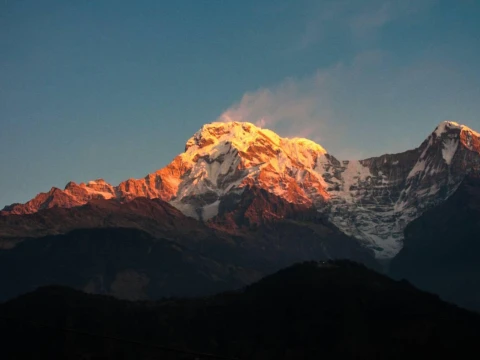
The Mardi Himal Trek, organized by Cross Border Travel & Tours, is a breathtaking Himalayan adventure that takes you through diverse landscapes, from lush subtropical forests to high alpine meadows. Starting in the bustling city of Kathmandu, the trek gradually ascends through Pokhara, Kande, and the tranquil forest camps, offering panoramic views of the Annapurna range. Along the way, trekkers witness stunning vistas of Machapuchare (Fishtail), Annapurna South, and Hiunchuli.This trek is ideal for those who want to experience the Himalayas without the heavy crowds of the Annapurna Base Camp or Everest regions. Each day is carefully planned to balance trekking intensity with scenic exploration. The journey to the Mardi Himal Base Camp at 4,500 meters provides an unforgettable sunrise experience over snow-capped peaks. Cross Border Travel & Tours ensures professional guides accompany trekkers, offering local insights and cultural understanding while maintaining safety and comfort.Spectacular views of Machapuchare, Annapurna South, and HiunchuliQuiet trails through rhododendron forests and alpine landscapesOpportunity to experience local Gurung culture and hospitalitySunrise from Mardi Himal Base CampBest Season for Mardi Himal TrekThe best season for the Mardi Himal Trek is during autumn (September to November) and spring (March to May). During these months, the weather is stable, the skies are clear, and mountain visibility is at its peak. Autumn offers post-monsoon freshness with crisp air and vibrant greenery, while spring showcases colorful rhododendron blooms along the trails.Winter (December to February) brings colder temperatures and occasional snowfall, making the trek more challenging, especially at higher elevations. The summer or monsoon season (June to August) is less ideal due to heavy rainfall, slippery trails, and reduced visibility, although it can provide lush landscapes for adventurous trekkers. Cross Border Travel & Tours recommends planning your trek during peak seasons to maximize comfort, safety, and scenic beauty.Key Points:Autumn & Spring: Best for clear views and moderate weatherWinter: Cold, potential snow, fewer crowdsMonsoon: Rainy, slippery trails, limited visibilityMardi Himal Trek Difficulty and TransportationThe Mardi Himal Trek is classified as moderate difficulty, suitable for trekkers with some prior experience in mountain hiking. Daily trekking hours range from 3.5 to 6 hours, with altitudes gradually increasing to allow proper acclimatization. The route includes forested paths, steep ascents, and high-altitude meadows, requiring a reasonable level of fitness.Transportation begins in Kathmandu, where you take a scenic 6–7 hour drive to Pokhara. From Pokhara, the trailhead at Kande is accessible via a short drive. After the trek, travelers return to Pokhara before heading back to Kathmandu. Cross Border Travel & Tours provides comfortable transport options, experienced drivers, and organized transfers, ensuring a hassle-free journey to and from the trekking region.Key Points:Trek Duration: 6–7 hours maximum per dayTerrain: Moderate, with some steep and uneven pathsTransportation: Private vehicle transfers Kathmandu ↔ Pokhara ↔ TrailheadFood and Accommodation for Mardi Himal TrekAlong the Mardi Himal Trek, accommodation is mainly in tea houses and lodges, offering simple but comfortable rooms with basic amenities. The trail includes Forest Camp, High Camp, and Low Camp stops, where trekkers can rest after long hikes. Some higher-altitude lodges may provide shared bathrooms and limited hot water, but guides from Cross Border Travel & Tours help ensure a smooth experience.Meals typically include traditional Nepali dishes such as dal bhat, noodles, soups, and local vegetables. Breakfast, lunch, and dinner are available at most lodges, and vegetarian or special dietary requirements can be arranged with prior notice. Hydration is crucial at high altitude, and purified water is available at most lodges for a small fee.Key Points:Lodging: Tea houses with basic facilitiesMeals: Nepali and continental options availableHot water and Wi-Fi: Limited at higher altitudesMardi Himal Trek PermitsTo trek the Mardi Himal region, two main permits are required: the Annapurna Conservation Area Permit (ACAP) and the Trekkers’ Information Management System (TIMS) card. ACAP protects the environment of the Annapurna region, while TIMS is a registration system ensuring trekkers’ safety.Cross Border Travel & Tours handles the permit process, ensuring all documents are ready before the trek begins. Carrying permits during the trek is mandatory, as checkpoints along the route verify trekkers’ authorization. These permits also contribute to local conservation efforts and community development.Key Points:ACAP permit: Required for the Annapurna regionTIMS card: Trekker registration and safetyPermits handled by the trekking company for convenienceWhy Choose Mardi Himal TrekChoosing the Mardi Himal Trek with Cross Border Travel & Tours offers a combination of adventure, scenic beauty, and cultural immersion. Unlike more crowded trekking routes, Mardi Himal provides solitude and pristine natural landscapes. The trek is well-paced, allowing gradual acclimatization and safe exploration of high-altitude regions.Cross Border Travel & Tours provides professional guides, organized logistics, and comprehensive support throughout the journey. From comfortable transport to carefully selected lodges and authentic Nepali meals, every aspect is managed for a memorable trekking experience. Whether you are an experienced trekker or a moderately fit traveler, this trek offers a once-in-a-lifetime Himalayan adventure.Key Points:Off-the-beaten-path trekking experienceProfessional guidance and supportStunning mountain views and cultural encountersSafety-focused, well-organized trekking itinerary
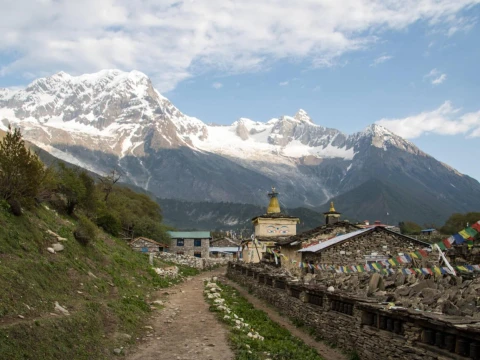
The Manaslu Tsum Valley Trek, organized by Cross Border Travel & Tours, is one of Nepal’s most enchanting trekking experiences. This trek takes you through the pristine, remote landscapes of the Tsum Valley, nestled in the northern part of the Gorkha region. It offers a rare combination of cultural exploration and breathtaking Himalayan scenery, including views of Mt. Manaslu (8,163m), the world’s eighth-highest peak. Unlike popular trekking routes, the Tsum Valley remains relatively untouched, allowing trekkers to experience traditional Buddhist villages, ancient monasteries, and serene landscapes with minimal tourism impact.Starting in Kathmandu, the journey begins with a drive to Machha Khola, followed by a series of treks through Jagat, Lokpa, Chumling, Rachen Gompa, and Nile. The trek also takes adventurers to Mu Gumpa and Samagaon, offering both challenging terrain and acclimatization opportunities. One of the highlights is crossing the Larkya La Pass (5,160m), which provides panoramic views of the surrounding Himalayan peaks and glacial valleys. Trekkers return via Bimthang and Dharapani, concluding the journey back in Kathmandu.Remote and culturally rich Tsum ValleyStunning views of Mt. Manaslu and surrounding peaksAuthentic Tibetan Buddhist villages and monasteriesLarkya La Pass crossing for panoramic vistasIdeal mix of adventure, nature, and cultural immersionThe trek is designed for those seeking both adventure and spiritual experiences, with Cross Border Travel & Tours providing expert guides, logistical support, and a flexible itinerary to ensure a safe and unforgettable Himalayan journey.Best Season for Manaslu Tsum Valley TrekThe best seasons for trekking in the Manaslu Tsum Valley are autumn (September to November) and spring (March to May). During autumn, the skies are usually clear, offering spectacular views of the snow-capped Himalayan peaks. This is also the harvest season, which means villages are lively, and local culture can be experienced at its most vibrant. Spring, on the other hand, brings blooming rhododendrons and lush green valleys, making the trekking experience visually stunning and refreshing.Winter months (December to February) are generally avoided due to heavy snowfall, especially when crossing Larkya La Pass, which can be dangerous. Summer (June to August) is also less recommended because of monsoon rains, which make trails slippery and increase the risk of landslides. However, for experienced trekkers seeking solitude, off-season trekking is still possible with proper preparation.Short Points:Autumn (Sep–Nov): Clear skies, festive local culture, ideal trekking conditionsSpring (Mar–May): Rhododendron blooms, moderate weather, great visibilityWinter (Dec–Feb): Snowy, challenging, high-altitude risksMonsoon (Jun–Aug): Risk of landslides and slippery trailsCross Border Travel & Tours tailors itineraries based on season, ensuring that trekkers experience the valley at its most rewarding time, with minimal weather-related disruptions.Manaslu Tsum Valley Trek Difficulty and TransportationThe Manaslu Tsum Valley Trek is considered moderate to strenuous, suitable for trekkers with prior trekking experience. While the trail offers manageable elevation gains on most days, key challenges include long trekking hours, steep ascents, and the high-altitude crossing of Larkya La Pass (5,160m). Trekkers should be prepared for varied terrain, ranging from lush river valleys to rocky mountain paths, and occasional rugged trails that require careful navigation.Transportation for this trek is relatively straightforward. Most itineraries begin with a drive from Kathmandu to Machha Khola, which takes several hours along scenic highways and rivers. From there, all movement is on foot, following a carefully planned trekking route through villages like Jagat, Lokpa, Chumling, and Samagaon. Cross Border Travel & Tours provides organized transport, ensuring comfortable pickups and drop-offs with trained drivers who understand the mountainous terrain. For emergency cases or optional short flights, arrangements can be made for helicopter evacuation if required.Key Points:Moderate to strenuous trek, suitable for trekkers with prior experienceLong trekking days (5–8 hours average per day)Steep ascents, rugged trails, high-altitude challengesTransportation: Kathmandu to Machha Khola by vehicle; trekking on footOptional emergency helicopter evacuationThis trek demands physical fitness, proper acclimatization, and preparation, particularly for high-altitude portions, making planning and guided support from Cross Border Travel & Tours crucial.Food and Accommodation for Manaslu Tsum Valley TrekFood and accommodation along the Manaslu Tsum Valley Trek are simple but comfortable, reflecting the remote nature of the region. Most lodges or teahouses offer basic rooms with mattresses, blankets, and shared bathrooms. Hot showers are not always available, especially at higher altitudes. Trekkers should carry a sleeping bag for comfort and warmth, particularly when staying above 3,500 meters.Meals primarily consist of Nepali and Tibetan cuisine, including dal bhat (lentil soup with rice), noodles, momos (dumplings), and simple soups. Fresh vegetables and seasonal fruits are often available, while tea, coffee, and hot drinks help maintain energy levels on chilly trekking days. Cross Border Travel & Tours ensures that trekkers have access to nutritious and sufficient meals, accommodating dietary restrictions when possible.Key Points:Lodging: Teahouses with basic rooms, blankets, and shared bathroomsHot showers are limited to above 3,500mMeals: Dal bhat, noodles, momos, soups, seasonal fruitsCarry a sleeping bag for comfort at higher altitudesGuides assist in arranging local meals and food suppliesThis setup ensures that trekkers can focus on the trekking experience while enjoying authentic local hospitality in the Tsum Valley villages.Manaslu Tsum Valley Trek PermitsTrekking in the Manaslu region requires multiple permits due to its restricted status. Permits include:Manaslu Restricted Area Permit (RAP) – Required for entry into the Manaslu region.Tsum Valley Special Permit – Needed specifically for visiting Tsum Valley.Annapurna Conservation Area Permit (ACAP) or TIMS Card – Depending on route segments, some trekkers may require a TIMS (Trekkers’ Information Management System) card for security and management purposes.The cost and issuance of these permits are regulated by the Nepal government and must be arranged before entering the region. Cross Border Travel & Tours assists with all paperwork, ensuring that trekkers have the correct permits, documentation, and entry approvals to avoid legal or logistical issues. Guides also ensure that permit rules are respected, supporting responsible trekking practices.Key Points:Manaslu Restricted Area Permit (RAP) mandatoryTsum Valley Special Permit requiredTIMS Card/ACAP for trekkersPermit fees vary depending on nationality and seasonAll permits arranged by Cross Border Travel & ToursHaving proper permits is essential, as the Tsum Valley is a restricted and culturally sensitive region with strict regulations.Why Choose Manaslu Tsum Valley TrekChoosing the Manaslu Tsum Valley Trek with Cross Border Travel & Tours offers a unique combination of adventure, culture, and scenic beauty. Unlike crowded trekking trails like Annapurna or Everest, Tsum Valley remains largely untouched, allowing trekkers to explore serene Buddhist monasteries, interact with friendly locals, and witness the Himalayan wilderness in its most authentic form.The trek is highly rewarding due to its diverse landscapes, ranging from subtropical forests and terraced fields to alpine valleys and glacial rivers. Crossing the Larkya La Pass is a major highlight, offering a sense of achievement and unparalleled mountain views. In addition, the acclimatization days in Samagaon and the optional visits to Birendra Lake or Manaslu Base Camp add flexibility for cultural exploration and rest.Key Points:Remote, off-the-beaten-path trekking experienceRich Tibetan Buddhist culture and monasteriesStunning views of Mt. Manaslu and surrounding peaksProfessionally guided and fully supported trek by Cross Border Travel & ToursIdeal for adventure seekers, culture enthusiasts, and nature loversWith professional support, well-planned logistics, and expert guides, trekkers can focus on the journey while safely navigating the remote trails of the Manaslu Tsum Valley.
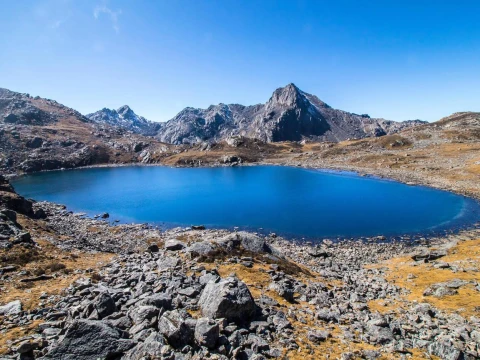
The Langtang Gosaikunda Trek is one of Nepal’s most scenic and culturally rich trekking routes. Starting from Kathmandu, the trek passes through lush green forests, traditional Tamang villages, terraced farmlands, and alpine landscapes. Trekkers experience a gradual ascent through the Langtang Valley, visiting iconic sites such as Langtang Village, Kyanjin Gompa, and eventually reaching the sacred Gosaikunda Lake. This route offers spectacular views of snow-capped peaks like Langtang Lirung (7,234m) and Ganesh Himal, along with glacial lakes, rhododendron forests, and diverse wildlife.The trek also provides an opportunity to immerse oneself in local culture. The villages along the way are predominantly inhabited by the Tamang and Sherpa communities, who warmly welcome visitors and share their traditions, monasteries, and festivals. Highlights of the trek include the day hike to Tserko Ri for panoramic Himalayan views, exploring Kyanjin Gompa, and experiencing the serene beauty of Gosaikunda Lake, which holds religious significance for both Hindus and Buddhists. Overall, this trek combines adventure, natural beauty, and cultural richness in a single itinerary, making it ideal for both first-time and experienced trekkers.Visit Langtang Village, Kyanjin Gompa, and Gosaikunda LakePanoramic views from Tserko Ri (5,000m)Traditional Tamang and Sherpa cultureDense rhododendron and pine forestsBest Season for Langtang Gosaikunda TrekThe Langtang Gosaikunda Trek can be done year-round, but the best seasons are pre-monsoon (March to May) and post-monsoon (late September to November). During these periods, the weather is clear, trails are safer, and the visibility of the Himalayan peaks is at its best. In spring, the valleys and hillsides bloom with vibrant rhododendrons, while autumn offers golden landscapes and stable weather for trekking and photography.Winter trekking (December to February) is possible but requires proper preparation as temperatures can drop well below freezing, especially at high-altitude destinations like Gosaikunda Lake. The monsoon season (June to August) is less recommended due to heavy rainfall, slippery trails, and landslide risks. Proper planning according to the season ensures a safer and more enjoyable trekking experience.Best Seasons:Spring (March–May) – Rhododendron blooms, moderate weatherAutumn (Late September–November) – Clear skies, excellent mountain viewsWinter (December–February) – Cold but fewer crowdsLangtang Gosaikunda Trek Difficulty and TransportationThe trek is categorised as moderate to challenging, making it suitable for trekkers with some experience in high-altitude hiking. Daily trekking duration ranges from 4 to 7 hours, with gradual ascents and occasional steep climbs, especially near Kyanjin Gompa, Tserko Ri, and Gosaikunda Lake. Proper acclimatisation is crucial to avoid altitude sickness. The trek combines rugged trails, stone paths, suspension bridges, and river crossings, offering an adventurous experience.Transportation to and from the trek is convenient. Most trekkers start with a drive from Kathmandu to Syabrubesi, which takes approximately 7–8 hours via a scenic hilly road. On return, trekkers drive back from Dhunche to Kathmandu, making it accessible without the need for domestic flights. For trekkers seeking more comfort, Cross Border Travel & Tours arranges private vehicles and trained guides for smooth transfers.Difficulty & Transportation:Moderate to challenging trek with high-altitude sectionsDaily trekking: 4–7 hoursRoad access: Kathmandu ↔ Syabrubesi / DhuncheAltitude ranges: 1,300m to 4,380mFood and Accommodation for Langtang Gosaikunda TrekAccommodation along the Langtang Gosaikunda route primarily consists of tea houses and lodges, offering basic but comfortable rooms with shared or private bathrooms. In higher altitudes such as Kyanjin Gompa and near Gosaikunda Lake, lodges are simpler and may have limited hot water, but they provide a cozy atmosphere and local hospitality. Staying in these lodges allows trekkers to rest and interact with local communities.Food on the trek ranges from traditional Nepali meals such as dal bhat (lentil rice), momo (dumplings), and noodles, to lighter snacks like biscuits and energy bars. Most lodges also offer tea, coffee, and other hot beverages to help combat the cold. Cross Border Travel & Tours ensures that trekkers are provided with safe, hygienic, and nutritious meals throughout the journey, making the trekking experience both enjoyable and energy-sustaining.Food & Accommodation:Tea houses and lodges along the routeHot meals: Dal bhat, momo, soups, noodlesSimple lodging at higher altitudesWarm beverages available throughout the trekLangtang Gosaikunda Trek PermitsTo trek in Langtang and Gosaikunda, trekkers are required to obtain specific permits. The main permits include:Langtang National Park Entry Permit (TIMS card): Ensures park conservation and covers trekking within the Langtang National Park region.Gosaikunda Special Permit: Required for trekking to the Gosaikunda area above 3,000m.Cross Border Travel & Tours assists trekkers with all necessary permits, ensuring a hassle-free start to the trek. Carrying the correct permits is mandatory for park authorities and provides access to lodges, trails, and local guides, making it both a legal and safety requirement.Required Permits:TIMS Card (Trekkers’ Information Management System)Langtang National Park Entry PermitSpecial Gosaikunda PermitWhy Choose Langtang Gosaikunda TrekChoosing the Langtang Gosaikunda Trek with Cross Border Travel & Tours guarantees a well-organised, safe, and culturally immersive adventure. The trek offers a unique combination of alpine scenery, traditional villages, sacred lakes, and breathtaking mountain panoramas. With experienced guides, comfortable accommodations, and thorough support for permits and logistics, trekkers can focus entirely on enjoying the journey without worrying about planning or safety.Additionally, the route is less crowded than popular treks like Annapurna or Everest Base Camp, providing a more serene and personal experience. Cross Border Travel & Tours emphasises sustainable and responsible tourism, ensuring trekkers experience authentic Nepali culture while supporting local communities along the way.Reasons to Choose:Expert guides and well-organised logisticsScenic trails and panoramic Himalayan viewsCultural immersion with the Tamang and Sherpa communitiesSafe and sustainable trekking experience
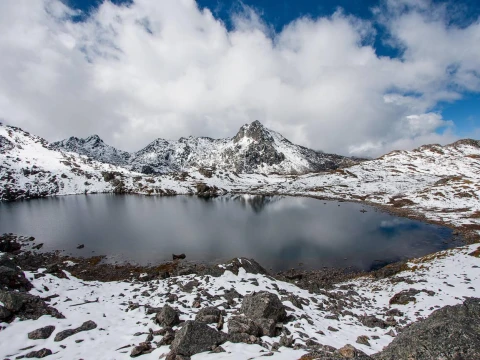
The Langtang Gosaikunda and Helambu Trek is a unique journey through the tranquil Himalayan landscapes north of Kathmandu. This trek takes you through a mix of lush forests, high mountain passes, alpine meadows, traditional Sherpa and Tamang villages, and sacred lakes. Starting from the vibrant streets of Kathmandu, the route passes through Syabrubesi, Lama Hotel, Langtang Village, and eventually ascends to Gosaikunda, a sacred alpine lake nestled at 4,380 meters. Along the way, trekkers experience rich cultural encounters with the Tamang and Sherpa communities, visit ancient monasteries such as Kyangin Gompa and Sing Gompa, and marvel at panoramic views of Langtang Lirung, Ganesh Himal, and other Himalayan peaks.The Helambu region, famous for its apple orchards and Buddhist monasteries, offers a gentler trekking option for those looking to enjoy scenic trails combined with cultural immersion. The trek also includes beautiful rhododendron forests and picturesque villages like Thulo Syabru and Melamchi Gaon. Cross Border Travel & Tours ensures a well-organized itinerary with acclimatization days, moderate trekking hours, and local support, making this trek suitable for a wide range of trekking enthusiasts.Sacred Gosaikunda Lake at 4,380mStunning Himalayan panoramasTraditional Tamang and Sherpa villagesRhododendron and pine forestsKyangin and Sing Gompas for cultural insightBest Season for Langtang Gosaikunda and Helambu TrekThe best times to embark on the trek are spring (March to May) and autumn (September to November). During these periods, the weather is clear and stable, offering unobstructed mountain views and comfortable trekking conditions. Spring is particularly famous for blooming rhododendrons that blanket the trails with vibrant colors, creating an unforgettable visual experience. Autumn, on the other hand, provides crisp air, minimal rainfall, and excellent visibility of Himalayan peaks.Winter trekking (December to February) is possible but comes with harsh cold and snow-covered trails, especially near Gosaikunda and Laurebina Pass. Summer or monsoon months (June to August) bring heavy rainfall, slippery trails, and potential landslides, making trekking less safe and enjoyable. Cross Border Travel & Tours recommends scheduling the trek during spring or autumn for the ideal combination of weather, scenery, and cultural experiences.Key Seasons:Spring (March-May): Blooming rhododendrons, mild weatherAutumn (September-November): Clear skies, excellent visibilityWinter (Dec-Feb): Cold, snow, fewer crowdsMonsoon (June-Aug): Rainy, slippery, challengingLangtang Gosaikunda and Helambu Trek Difficulty and TransportationThe trek is considered moderate to challenging, depending on the route section. Altitudes range from 1,400 meters in Kathmandu to over 4,700 meters at Laurebina Pass. The trekking involves daily walks of 3–8 hours, with some steep ascents and descents, particularly between Lama Hotel, Langtang Village, and Gosaikunda. An acclimatization day at Kyangin Gompa is included to help reduce the risk of altitude sickness, ensuring a safe trekking experience.Transportation is well-organized by Cross Border Travel & Tours. Trekkers are transferred from Kathmandu to Syabrubesi by private vehicle (7–8 hours), offering scenic views of rivers, terraced fields, and Himalayan foothills. After completing the trek, a drive back from Melamchi Bazaar to Kathmandu (5–6 hours) provides a comfortable conclusion. Trekking on well-marked trails with local guides ensures safety and efficiency throughout the journey.Difficulty and Transportation Summary:Trekking Hours: 3–8 hours/dayAltitude Range: 1,400m to 4,700mDifficulty: Moderate to challengingTransportation: Kathmandu-Syabrubesi by jeep/bus; Melamchi Bazaar-Kathmandu returnFood and Accommodation for Langtang Gosaikunda and Helambu TrekFood along the trek is a mix of local Nepali dishes and simple Western options. Popular meals include dal bhat (rice and lentils), momo (dumplings), noodles, soups, and fresh vegetables. Cross Border Travel & Tours ensures that trekkers have access to clean, nourishing meals to maintain energy levels for the trek. Tea houses along the route provide basic comfort, hot meals, and beverages, while some remote lodges offer a cozy atmosphere for rest and socializing.Accommodation ranges from simple lodges in lower altitudes like Syabrubesi and Thulo Syabru to more basic teahouses in higher villages such as Gosaikunda and Kyangin Gompa. Rooms typically include bedding and shared bathroom facilities, with hot showers available in select locations. Staying in these lodges offers trekkers a chance to experience local hospitality while maintaining comfort during the trek.Food and Accommodation Highlights:Dal Bhat, momo, soups, and noodlesTea houses and lodges with beddingHot showers at selected locationsLocal hospitality and cultural immersionLangtang Gosaikunda and Helambu Trek PermitsTrekking in this region requires permits for both safety and conservation purposes. Key permits include:Langtang National Park Entry Permit (NPR 3,000 for foreign trekkers)Trekkers’ Information Management System (TIMS) Card (NPR 2,000 for individual trekkers)Special permit for Gosaikunda (sometimes included in Langtang National Park)Cross Border Travel & Tours assists in arranging all necessary permits, ensuring a hassle-free start to the trek. Guides carry copies of permits during the trek to comply with park regulations, and trekkers can focus entirely on enjoying the trail, lakes, and mountain scenery.Permit Summary:Langtang National Park EntryTIMS CardSpecial Gosaikunda or high-pass permitAll permits facilitated by Cross Border Travel & ToursWhy Choose Langtang Gosaikunda and Helambu TrekChoosing this trek with Cross Border Travel & Tours ensures a perfect blend of adventure, culture, and natural beauty. The trek is less crowded than popular routes like Everest or Annapurna, offering serenity and an authentic experience. Highlights include sacred lakes, high mountain passes, traditional villages, and the chance to witness unique Tibetan Buddhist culture.With experienced guides, well-planned itineraries, safe transportation, and reliable accommodations, trekkers can enjoy both challenge and comfort. Cross Border Travel & Tours also emphasizes acclimatization, quality meals, and safety, making it an ideal option for both beginner and experienced trekkers seeking the best Himalayan adventure.Reasons to Choose This Trek:Remote and less crowded trailsScenic diversity: forests, lakes, alpine meadows, high passesCultural immersion with the Tamang and Sherpa communitiesExpert guidance, safe transport, and organized logistics
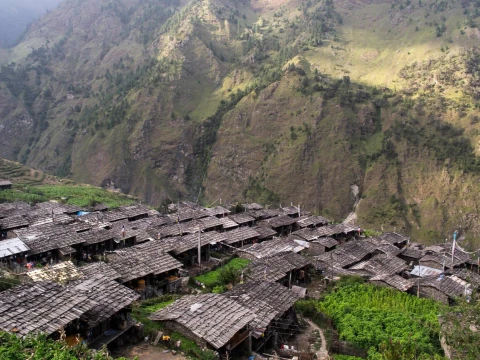
The Tamang Heritage Trail Trek, organized by Cross Border Travel & Tours, is a culturally rich and scenic trekking route that winds through the heart of Nepal’s Tamang community. Starting from Kathmandu, trekkers travel through traditional villages, lush forests, and terraced farmlands while exploring the heritage, lifestyle, and architecture of the Tamang people. Unlike the busier trekking routes in Nepal, this trail offers an authentic experience of rural life combined with stunning views of the Langtang Himalayan range.Trekking along this trail, visitors encounter ancient monasteries, stone-paved pathways, and centuries-old prayer wheels. Each village, from Syabrubesi to Tatopani and Thuman, showcases unique customs, local crafts, and traditional Tamang cuisine. Highlights of the trek include crossing high-altitude passes like Nagthali Bhyang (3,165m), experiencing panoramic mountain vistas, and walking through serene landscapes dotted with rhododendron forests. This trail is ideal for travelers who want a balance of cultural immersion and moderate adventure without the heavy trekking crowds.Explore the Tamang villages and cultureExperience Langtang Himalayan viewsTrek through monasteries, forests, and terraced fieldsModerate trail with cultural immersionBest Season for Tamang Heritage Trail TrekThe Tamang Heritage Trail can be trekked year-round, but the best seasons are spring (March to May) and autumn (September to November). During spring, the forests bloom with colorful rhododendrons and other alpine flowers, enhancing the trail’s natural beauty. Autumn offers clear skies and crisp air, perfect for panoramic views of the Himalayan peaks, including Ganesh Himal and Langtang Lirung.The winter season, from December to February, is colder with occasional snowfall, especially at higher altitudes like Nagthali Bhyang, but the trail remains accessible for those prepared for chilly conditions. Monsoon season (June to August) is generally less favorable due to slippery paths, leeches, and reduced visibility from rain, but some travelers still enjoy the lush greenery. Planning your trek with Cross Border Travel & Tours ensures that you get the right guidance, acclimatization support, and cultural insights regardless of the season.Short Points:Best: Spring (March–May) & Autumn (Sept–Nov)Winter: Cold, occasional snow, quieter trailMonsoon: Wet and slippery, less idealClear mountain views in autumnTamang Heritage Trail Trek Difficulty and TransportationThe Tamang Heritage Trail is considered moderate in difficulty, making it suitable for both novice and experienced trekkers. Daily trekking hours range between 4 and 7 hours, with gradual ascents and occasional steep climbs, such as the pass at Nagthali Bhyang (3,165m). Altitude is generally manageable, but proper acclimatization is recommended to prevent altitude sickness. Cross Border Travel & Tours provides expert guides who monitor health, suggest pacing, and handle emergencies efficiently.Transportation to the trail is convenient. The journey begins with a drive from Kathmandu to Syabrubesi, which takes approximately 6–7 hours through scenic landscapes. After completing the trek, travelers return to Kathmandu by road. This seamless combination of road transport and trekking ensures minimal travel stress and maximizes time on the trail. All trekking routes are well-marked, but the presence of local guides ensures safety, cultural context, and local knowledge.Short Points:Moderate difficulty, 4–7 hours dailyHighest point: Nagthali Bhyang (3,165m)Managed acclimatization with expert guidesKathmandu–Syabrubesi road transportFood and Accommodation for Tamang Heritage Trail TrekDuring the trek, food is typically served in teahouses and lodges, offering a mix of local Nepali cuisine and simple Western dishes. Popular local foods include dal bhat (rice and lentils), momos (dumplings), noodles, and vegetable curry. Fresh water is generally available, though it is recommended to carry purification tablets or a reusable water bottle with a filter.Accommodation along the trail is comfortable but basic, reflecting the traditional lifestyle of the villages. Lodges in Gatlang, Tatopani, Thuman, and Briddhim provide rooms with shared or private bathrooms, heating (especially in colder months), and meals. Staying in these lodges allows travelers to engage with local families, participate in cultural rituals, and enjoy authentic Tamang hospitality. Cross Border Travel & Tours ensures all accommodations are pre-arranged and meet quality standards for safety and comfort.Short Points:Teahouse trekking with local and western mealsTypical dishes: Dal Bhat, Momos, NoodlesBasic but comfortable lodging with heatingCultural immersion through local staysTamang Heritage Trail Trek PermitsTrekking on the Tamang Heritage Trail requires certain permits to ensure legal and safe travel. The main permits include:TIMS Card (Trekking Information Management System): Required for all trekkers in Nepal.Langtang National Park Entry Permit: Needed for areas around Gatlang and Tatopani.Cross Border Travel & Tours handles all permit arrangements before and during the trek, ensuring that travelers can focus on enjoying the scenery and culture without bureaucratic stress. Carrying permits is essential for your safety and access to local villages, and guides often check permits at checkpoints along the trail.Short Points:TIMS Card for all trekkersLangtang National Park permitGuides assist with paperwork and checkpointsWhy Choose Tamang Heritage Trail TrekThe Tamang Heritage Trail offers a unique combination of cultural heritage, stunning landscapes, and manageable trekking difficulty. Unlike the crowded Annapurna or Everest routes, this trek provides a peaceful experience with authentic interactions with the Tamang community. You can witness traditional dances, festivals, and the craftsmanship of rural Nepal.By choosing Cross Border Travel & Tours, travelers gain the advantage of experienced local guides, well-planned itineraries, quality accommodations, and reliable transportation. This ensures a smooth, enriching experience that balances adventure with cultural exploration. Whether you’re interested in photography, history, or Himalayan trekking, this trail offers a rewarding experience with memories that last a lifetime.Short Points:Authentic cultural and community experiencesLess crowded, serene trekking routeExperienced guides and organized logisticsSuitable for moderate trekkers and adventure seekers
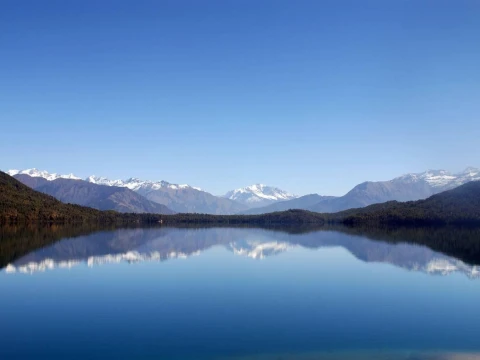
The Rara Lake Trek, offered by Cross Border Travel & Tours, is one of Nepal’s most enchanting journeys, taking trekkers through remote landscapes, cultural heritage sites, and high-altitude Himalayan vistas. Rara Lake, the largest lake in Nepal, is often called the “Pearl of Nepal,” and sits in the pristine Rara National Park, surrounded by snow-capped mountains. This trek combines adventure, cultural encounters, and nature exploration, making it ideal for travelers seeking both serenity and challenge.Starting from Kathmandu, the journey involves flights to Nepalgunj and then to Jumla, where the trek begins. The trail passes through traditional villages like Chere Chaur, Chalachaur, and Sinja Valley, offering glimpses into the lifestyle, customs, and history of the Karnali region. The trek also allows visitors to explore local temples, ancient stone carvings, and untouched landscapes rarely visited by mainstream tourists.Stunning views of Rara Lake and surrounding peaksImmersive cultural experiences in remote villagesWalking through high-altitude trails with diverse flora and faunaAdventure combined with serenity, far from crowded tourist routesBest Season for Rara Lake TrekThe best time to undertake the Rara Lake Trek is during the autumn (September to November) and spring (March to May) seasons. These periods offer stable weather, clear skies, and moderate temperatures, providing ideal trekking conditions and spectacular views of the Himalayas.Autumn (Sep–Nov): Crisp air, clear mountain vistas, and vibrant festival celebrations in local villagesSpring (Mar–May): Blooming rhododendrons and lush green landscapes along the trailAvoid monsoon (Jun–Aug): Heavy rainfall can make trails slippery and rivers challenging to crossWinter (Dec–Feb): Possible snow along higher trails; fewer tourists, but colder conditionsThe trekking route during these seasons ensures that trekkers enjoy the scenic beauty of Rara Lake at its best, with minimal risk of weather-related disruptions.Rara Lake Trek Difficulty and TransportationThe Rara Lake Trek is a moderate to challenging trek, suitable for travelers with a reasonable fitness level. The trek involves several days of walking at high altitudes, ranging from 1,350m in Kathmandu to 3,055m at Chere Chaur and 3,010m at Rara Lake. Gradual acclimatization is built into the itinerary to reduce the risk of altitude sickness.Transportation:Domestic flights from Kathmandu → Nepalgunj → JumlaTrekking trails from Jumla to Rara Lake (approx. 5–6 hours per day)Return flights follow the reverse routeThe combination of air travel and trekking allows efficient access to this remote region, reducing long overland travel while still providing the adventure and immersion that trekkers seek.Food and Accommodation for Rara Lake TrekDuring the Rara Lake Trek, food and accommodation are managed in local guesthouses and tea houses. While basic, these facilities are comfortable and provide hearty meals to keep trekkers energized.Key points:Traditional Nepali meals such as dal bhat (rice and lentils), noodles, and soupsSimple rooms with basic bedding; some lodges offer private rooms with attached bathroomsTea houses along the trail are friendly and welcoming, often run by local familiesPacked meals or snacks may be recommended for longer trekking daysCross Border Travel & Tours ensures trekkers enjoy safe and hygienic accommodations, combined with authentic local cuisine that reflects the region’s culture.Rara Lake Trek PermitsTrekking to Rara Lake requires permits, as the route passes through protected areas and national parks.Necessary permits include:TIMS (Trekkers’ Information Management System) CardRara National Park Entry PermitThese permits help preserve the pristine environment, maintain park security, and support local conservation efforts. Cross Border Travel & Tours assists trekkers in obtaining all necessary documentation, making the process smooth and hassle-free.Why Choose Rara Lake Trek with Cross Border Travel & ToursChoosing Cross Border Travel & Tours for the Rara Lake Trek ensures a safe, organized, and culturally immersive journey. The company has experienced guides familiar with remote Himalayan regions, providing both safety and insight into local culture.Advantages:Expert trekking guides and support staffWell-planned itinerary with gradual acclimatizationAuthentic experiences in remote villages and cultural sitesAssistance with permits, flights, and accommodationsPersonalized service and flexible options for different fitness levelsWith Cross Border Travel & Tours, trekkers can explore the “Pearl of Nepal” confidently, enjoying every moment of the journey while minimizing stress and maximizing adventure.
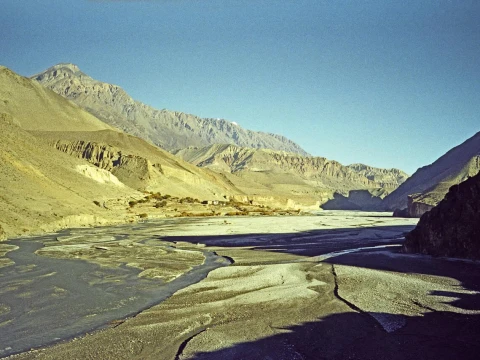
The Upper Mustang Trek, organized by Cross Border Travel & Tours, is one of Nepal’s most enchanting trekking experiences. Nestled in the remote northern region of the country, Upper Mustang is often referred to as the “Last Forbidden Kingdom” because it remained closed to foreigners until 1992. This trek offers a rare glimpse into the ancient Tibetan culture, traditional monasteries, and medieval walled villages. The landscape is a dramatic contrast to the lush greenery of lower Nepal: here, arid desert-like terrain, deep gorges, and vibrant red cliffs dominate the scenery. As trekkers ascend from the lower valleys of Pokhara and Jomsom, they gradually move into high-altitude landscapes, encountering remote villages like Lo Manthang, the capital of Upper Mustang.The journey typically begins with a scenic drive from Kathmandu to Pokhara, followed by a short mountain flight to Jomsom, the gateway to Mustang. From Jomsom, the trek winds through the Kali Gandaki valley, climbing gradually to high desert plateaus and quaint villages. Along the way, trekkers can witness centuries-old Buddhist caves, ancient monasteries, and intricately decorated mani walls. For adventure seekers, history enthusiasts, and photographers alike, the Upper Mustang Trek provides a unique opportunity to experience a region that feels frozen in time.Visit Lo Manthang, the walled capital of Upper MustangExplore Chhoser Caves and ancient Tibetan Buddhist monasteriesEnjoy panoramic views of the Annapurna and Dhaulagiri rangesExperience local Tibetan culture and hospitalityBest Season for Upper Mustang TrekTiming is crucial for the Upper Mustang Trek due to the region’s harsh weather conditions and high altitude. The best season is generally spring (March to May) and autumn (September to November). During these months, the weather is stable, the skies are clear, and the days are warm while nights remain cool. Spring offers blooming wildflowers in the lower valleys and magnificent views of snow-capped peaks, while autumn provides crisp visibility and minimal rainfall, perfect for photography and trekking.Winter can be extremely cold, especially at night, with temperatures dropping well below freezing, making camping and overnight stays challenging. Summer brings the monsoon, which is not only uncomfortable but also increases the risk of landslides in the lower regions. Trekking in the recommended seasons ensures safe passage, better acclimatization, and the most enjoyable experience overall.Seasonal Considerations:Spring (March–May): Warm days, blossoming landscapesAutumn (September–November): Clear skies, ideal mountain viewsWinter (December–February): Cold nights, snow may block trailsMonsoon (June–August): Risk of landslides, muddy trailsUpper Mustang Trek Difficulty and TransportationThe Upper Mustang Trek is classified as a moderate to challenging trek, primarily due to high altitudes and the remoteness of the region. Although the trail is not extremely steep compared to Himalayan peaks, trekkers must be prepared for altitude acclimatization, long walking days (4–7 hours), and limited facilities along the route. Most stages involve walking on dirt paths, rocky terrain, and occasional windy plateaus. Physical fitness, stamina, and prior trekking experience enhance safety and enjoyment.Transportation for the trek starts with a drive from Kathmandu to Pokhara, which takes around seven hours through scenic hill routes. From Pokhara, a short 15–20 minute flight to Jomsom allows trekkers to bypass long valleys and access the Mustang region quickly. On the trek itself, the route is strictly on foot, with horses or mules often used to carry luggage. Trekking with Cross Border Travel & Tours ensures reliable logistics, professional guides, and safe arrangements for both flights and ground transfers.Key Points:Moderate to challenging trek due to altitude (up to 3860m)Trekking hours: 4–7 hours per dayTransportation: Kathmandu → Pokhara by road, Pokhara → Jomsom by flightLuggage carried by mules, guided trekking ensures safetyFood and Accommodation for Upper Mustang TrekWhile trekking in Upper Mustang, food and accommodation options vary from simple teahouses to basic guesthouses in larger villages. Meals typically include Dal Bhat (rice and lentil soup), noodles, soups, and sometimes continental options in Lo Manthang. Hot drinks like tea and coffee are available, which are essential for high-altitude trekking to stay warm and hydrated. Carrying snacks and energy bars is recommended for longer trekking stretches between villages.Accommodation along the trail is modest but sufficient, offering a bed, blanket, and basic hygiene facilities. Rooms are usually shared, and trekkers may encounter some rustic conditions in smaller villages like Dhakmar or Ghiling. Staying in these local teahouses allows travelers to experience traditional Tibetan hospitality and interact closely with locals, adding an authentic cultural dimension to the trek. Cross Border Travel & Tours ensures that trekkers are booked in the best available accommodations along the route and receive guidance on dietary preferences and health considerations.Highlights:Meals: Dal Bhat, noodles, soups, tea, coffeeAccommodation: Teahouses and guesthouses, basic amenitiesExperience local Tibetan hospitalityCross Border Travel & Tours ensures quality lodgingUpper Mustang Trek PermitsTrekking in Upper Mustang requires special permits due to its status as a restricted area. Trekkers need a Restricted Area Permit and a Trekkers’ Information Management System (TIMS) card. The permit ensures controlled access, preservation of the local culture, and safety in this fragile ecosystem. Obtaining permits can be done through authorized travel agencies like Cross Border Travel & Tours, which handle all paperwork efficiently, saving travelers from bureaucratic delays.The permit fee for Upper Mustang is higher than in other regions of Nepal due to its protected status. Permits also often include local taxes and contributions to conservation efforts. It’s essential to carry identification, passport-sized photos, and proof of payment while trekking, as checks may occur at village checkpoints along the route.Permit Essentials:Restricted Area Permit for Upper MustangTIMS card for trekking authorizationPermit fees contribute to local conservationAgency assistance recommended for hassle-free processingWhy Choose Upper Mustang TrekChoosing the Upper Mustang Trek with Cross Border Travel & Tours guarantees a unique blend of adventure, culture, and natural beauty. The trek offers an exclusive experience in one of Nepal’s most remote regions, with breathtaking desert landscapes, historic walled villages, and Buddhist monasteries untouched by modern development. The journey provides a perfect mix of trekking challenge and cultural immersion, making it suitable for both experienced trekkers and those seeking off-the-beaten-path exploration.With expert guides, meticulous logistics, and reliable support, Cross Border Travel & Tours ensures that trekkers focus on the experience rather than the challenges of travel planning. From flights and road transfers to accommodations, meals, and permits, every detail is carefully managed. Trekking in Upper Mustang is not just a physical journey—it’s a spiritual and cultural odyssey through one of the last living Himalayan kingdoms.Reasons to Choose:Remote and culturally rich “Forbidden Kingdom.”Expert guides and safe logistics with Cross Border Travel & ToursStunning landscapes: high deserts, cliffs, monasteriesAuthentic Tibetan culture and village life
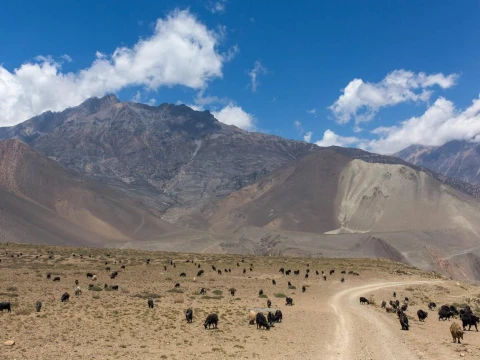
The Lower Mustang Trek is one of Nepal’s most fascinating journeys, offering trekkers a rare glimpse into the hidden kingdom of Mustang, an ancient Tibetan-influenced region. Often referred to as the "Last Forbidden Kingdom," Lower Mustang is famed for its unique landscapes, traditional Tibetan culture, ancient monasteries, and arid desert-like terrain. Unlike other popular treks in Nepal, this route is less crowded, allowing trekkers to experience a sense of solitude amid dramatic cliffs, deep canyons, and the mighty Himalayas.Starting from the cultural city of Pokhara and flying to Jomsom, trekkers gradually ascend through villages like Kagbeni, eventually reaching the sacred site of Muktinath. Along the way, travelers encounter traditional mud-brick houses, mani walls, ancient chortens, and hospitable local communities. The trek also offers spiritual experiences at monasteries and temples, making it a perfect combination of adventure, culture, and history.Explore the ancient villages of Kagbeni and Jharkot.Visit the sacred Muktinath Temple and the surrounding monasteries.Experience Tibetan-influenced culture and traditions.Trek through arid landscapes and Mustang’s desert region.Enjoy panoramic views of the Annapurna and Dhaulagiri ranges.Best Season for Lower Mustang TrekThe best time to embark on the Lower Mustang Trek is during the spring (March to May) and autumn (September to November) seasons. During these months, the weather is relatively stable, the skies are clear, and the mountain views are spectacular. Spring brings blooming rhododendrons and lush landscapes, while autumn offers crisp air and excellent visibility, ideal for photography and trekking.Winter (December to February) can be extremely cold, especially at higher altitudes, and some areas may experience snowfall, making trekking difficult. Summer (June to August) is generally avoided due to monsoon rains, which can cause slippery trails and limited visibility. Choosing the right season ensures a safer, more enjoyable trek with comfortable weather conditions.Seasonal Tips:Spring: Blooming flowers and moderate temperatures.Autumn: Clear skies and peak trekking conditions.Winter: Cold temperatures, fewer tourists, limited accessibility.Summer: Monsoon season; trails can be muddy, and landslides are possible.Lower Mustang Trek Difficulty and TransportationThe Lower Mustang Trek is considered moderate to moderately challenging, suitable for trekkers with basic fitness and prior trekking experience. While it is not as physically demanding as the Everest or Annapurna Base Camp treks, the high altitude of Muktinath (3,900m/12,792ft) requires proper acclimatization to prevent altitude sickness. Daily trekking distances usually range from 4–6 hours, allowing time for sightseeing and rest.Transportation to the trek starting point is convenient. Most trekkers drive from Kathmandu to Pokhara, a 6–7 hour scenic journey through lush valleys and terraced fields. From Pokhara, a 25–minute flight to Jomsom allows trekkers to avoid the long road journey and start the trek directly in Mustang. Helicopter charters and jeep rides are sometimes used for specific parts of the trek for those short on time.Transportation and Trek Difficulty:Drive: Kathmandu → Pokhara (~6–7 hours)Flight: Pokhara → Jomsom (~25 minutes)Trek Difficulty: Moderate, with gradual acclimatizationAverage Trekking Time: 4–6 hours/dayFood and Accommodation for Lower Mustang TrekDuring the trek, food and accommodation are simple but comfortable, reflecting the local lifestyle. Lodges and teahouses along the route serve basic meals, mostly consisting of rice, lentils, vegetables, and traditional Tibetan dishes like momos and thukpa. Hot drinks such as tea, coffee, and local butter tea are readily available to keep you warm during chilly evenings.Accommodation in Lower Mustang is primarily in cozy teahouses or small lodges, providing a comfortable bed and shared bathroom facilities. While luxury options are limited, the lodges offer an authentic experience, giving trekkers a chance to connect with local families and learn about their customs and traditions. It’s advisable to carry some cash, as card payments are often unavailable in remote villages.Food & Accommodation Highlights:Traditional Tibetan cuisine: momos, thukpa, dal bhat.Lodges and teahouses with basic amenities.Warm rooms with shared bathrooms.Authentic local experiences in villages.Lower Mustang Trek PermitsSince Lower Mustang lies in a restricted area of Nepal, trekkers require special permits. Two main permits are needed: the Restricted Area Permit (RAP) and the Annapurna Conservation Area Permit (ACAP). These permits are mandatory and regulated by the Nepalese government to preserve the region’s culture and environment.The Restricted Area Permit can be obtained through trekking agencies like Cross Border Travel & Tours, and the cost varies depending on the duration of stay and nationality. A trekking guide is recommended or sometimes mandatory for this area, ensuring compliance with regulations while providing valuable local insights.Permit Essentials:Restricted Area Permit (RAP) – required for Mustang.Annapurna Conservation Area Permit (ACAP).Can be arranged via licensed trekking agencies.Guides recommended for compliance and safety.Why Choose Lower Mustang TrekChoosing the Lower Mustang Trek with Cross Border Travel & Tours guarantees a blend of adventure, culture, and breathtaking landscapes. The trek is ideal for those seeking a less crowded, authentic experience in Nepal, far from the heavily trekked routes like Everest or Annapurna. Travelers enjoy a unique journey through the "hidden kingdom," witnessing ancient traditions, Tibetan Buddhist culture, and rugged desert landscapes.Cross Border Travel & Tours ensures a hassle-free trek by arranging permits, flights, accommodation, and expert guides. Their experienced team focuses on safety, comfort, and personalized service, helping trekkers fully immerse themselves in Mustang’s rich heritage. Whether you’re interested in photography, spirituality, or simply adventure, Lower Mustang promises an unforgettable journey.Reasons to Choose This Trek:Off-the-beaten-path adventure in Nepal.Unique Tibetan culture and heritage.Spectacular desert and Himalayan landscapes.Professional guidance and full logistical support from Cross Border Travel & Tours.Safe and comfortable trekking with expert local staff.
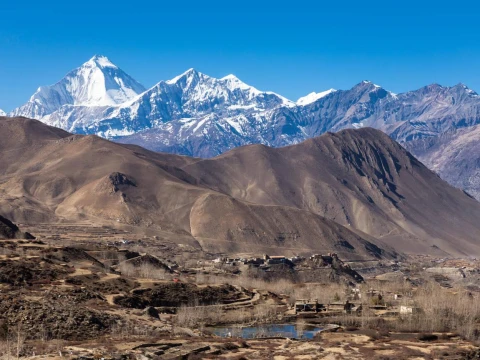
The Jomsom Muktinath Trekking route is a spectacular journey through the heart of the Mustang region in Nepal, offering a mix of natural beauty, cultural richness, and spiritual experiences. Starting from Pokhara, travelers fly or drive to Jomsom, a picturesque town at the confluence of the Kali Gandaki and Jhong Rivers. From Jomsom, the trek begins toward Kagbeni, a medieval village with cobbled streets, traditional Tibetan-style houses, and stunning views of the surrounding Himalayan peaks. This village serves as an ideal acclimatization stop, allowing trekkers to prepare for higher altitudes.The trek continues to Muktinath, a sacred pilgrimage site revered by both Hindus and Buddhists. Situated at 3,760 meters, Muktinath is famous for its temple complex, the 108 water spouts, and the serene landscape of the Annapurna and Dhaulagiri ranges. The journey is characterized by diverse terrain—from arid desert landscapes reminiscent of Tibet to lush green valleys dotted with traditional villages. Trekkers enjoy close encounters with local culture, prayer flags fluttering in the wind, and panoramic mountain vistas that are nothing short of breathtaking.Fly over the scenic Pokhara Valley to Jomsom.Explore the medieval village of Kagbeni.Witness the sacred Muktinath Temple and 108 water spouts.Experience diverse landscapes, from river valleys to high desert terrain.Best Season for Jomsom Muktinath TrekkingThe ideal time to undertake the Jomsom Muktinath Trek is during the spring (March to May) and autumn (September to November) seasons. In spring, rhododendrons bloom across the trails, creating vibrant colors against the backdrop of snow-capped peaks. Autumn, on the other hand, offers crystal-clear skies, making it perfect for mountain photography and panoramic views of the Annapurna and Dhaulagiri ranges.Winter (December to February) is less popular due to cold temperatures and occasional snow, which can make trekking more challenging. Summer (June to August) coincides with the monsoon season, bringing heavy rainfall to lower altitudes, though the Mustang region itself remains relatively dry due to its rain shadow effect. Nevertheless, the trails can become slippery, and visibility may be reduced during this time.Seasonal Tips:Spring: Best for rhododendron blooms and moderate temperatures.Autumn: Clear skies, ideal for photography and trekking.Winter: Cold but fewer tourists; prepare for snow and wind.Summer: Minimal rainfall in Mustang, but trekking in the lower regions may be wet.Jomsom Muktinath Trekking Difficulty and TransportationThe trek is considered moderate in difficulty, suitable for individuals with a reasonable level of fitness. The route features gradual ascents and descents, though higher elevations around Muktinath (3,760m) require careful acclimatization to avoid altitude sickness. Each day typically involves 3–6 hours of hiking, making it manageable for most trekkers with adequate preparation.Transportation to and from the trailheads is convenient. Most travelers fly from Pokhara to Jomsom, which is a 20-minute scenic flight over mountains and valleys. Alternatively, the drive from Pokhara to Jomsom via the Kali Gandaki valley is a long but scenic 6–9 hour journey. Trekking itself is done on foot, with porters or mules available to assist in carrying heavy luggage.Transportation Overview:Flight: Pokhara to Jomsom (20 min) – fastest and scenic.Drive: Pokhara to Jomsom (6–9 hrs) – adventure through the Kali Gandaki valley.Trekking: Mostly moderate trails with acclimatization stops.Porters/mules available for luggage support.Food and Accommodation for Jomsom Muktinath TrekkingAlong the trekking route, accommodation is generally available in teahouses and guesthouses that offer basic facilities. Rooms are often simple, with twin beds and shared bathrooms, but they provide a comfortable place to rest after a day on the trail. Some guesthouses also offer cozy common areas with traditional Nepali meals, hot showers (for an extra fee), and internet access.Food on the trail typically consists of Nepali, Tibetan, and simple continental dishes. Popular options include dal bhat (rice and lentils), momo (dumplings), and vegetable or noodle dishes. Trekkers are advised to stay hydrated and avoid raw vegetables or unboiled water at higher altitudes. Carrying snacks like energy bars or nuts is also recommended for longer trekking days.Food & Accommodation Tips:Teahouses provide meals and lodging along the trail.Dal bhat and momos are staple trekking meals.Hot showers are available for an additional charge.Carry snacks and sufficient water for long hikes.Jomsom Muktinath Trekking PermitsTrekking in the Mustang region requires specific permits. For foreign nationals, a Restricted Area Permit (RAP) is mandatory to enter the Upper Mustang area. The permit ensures regulated tourism to protect local culture and the fragile environment. It is advisable to obtain the permit through a registered trekking agency such as Cross Border Travel & Tours, which can handle all logistics efficiently.Additionally, a Trekkers’ Information Management System (TIMS) card is required, ensuring the safety and tracking of trekkers in Nepal. These permits are typically arranged before starting the trek, and having them simplifies access to accommodation, guides, and other trekking facilities along the route.Permit Requirements:Restricted Area Permit (RAP) for Upper Mustang.TIMS card for safety and trekking tracking.Permit arrangement assistance through trekking agencies.Why Choose Jomsom Muktinath TrekkingChoosing the Jomsom Muktinath Trek with Cross Border Travel & Tours offers a seamless experience combining breathtaking scenery, cultural immersion, and spiritual exploration. Their experienced guides ensure safety, proper acclimatization, and a deep understanding of local traditions, making the journey enriching for both first-time trekkers and seasoned adventurers.This trek is ideal for travelers seeking a moderate, culturally rich, and visually stunning Himalayan adventure. From exploring ancient villages like Kagbeni to visiting the sacred Muktinath Temple, the route balances physical activity with opportunities for reflection and photography. By choosing a reputable company, travelers benefit from reliable transportation, comfortable teahouse arrangements, and hassle-free permit processing.Key Benefits:Expert guides familiar with the Mustang region.Safe and well-organized trekking logistics.Unique cultural and spiritual experiences.Moderate trekking difficulty with breathtaking scenery.
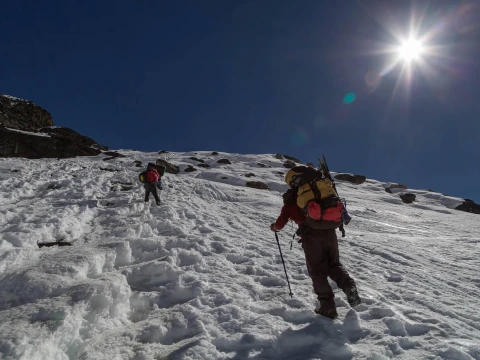
Mera Peak Climbing is one of the most rewarding high-altitude adventures in Nepal, taking you to the summit of Mera Peak (6,461m). This journey combines remote trekking, cultural immersion, and a non-technical mountaineering experience. Unlike the busy trails of Everest Base Camp, the Mera route offers peaceful landscapes, dense forests, and stunning Himalayan views, including Everest, Lhotse, and Makalu.Organised by Cross Border Travel & Tours, this 18-day itinerary is carefully designed for gradual acclimatisation and safety. From exploring Kathmandu to flying into Lukla and trekking through hidden valleys, each day builds toward the ultimate summit push. The climb itself is achievable for physically fit trekkers, making it ideal for those seeking their first Himalayan peak experience.Summit the highest trekking peak in NepalScenic flight to LuklaLess crowded trekking routePanoramic Himalayan viewsBest Season for Mera Peak ClimbingThe best seasons for Mera Peak Climbing are spring (March–May) and autumn (September–November). During these months, the weather in the Himalayas is stable, the skies are clear, and the visibility is excellent. Spring offers blooming rhododendron forests and moderate temperatures, while autumn provides crisp air and the clearest mountain views.Winter (December–February) is extremely cold with heavy snow, making climbing more challenging, while the monsoon season (June–August) brings rain, slippery trails, and poor visibility. Cross Border Travel & Tours recommends planning your climb during peak seasons for the safest and most enjoyable experience.Seasonal Benefits:Spring: Warm weather, blooming landscapesAutumn: Clear skies, best visibilityAvoid monsoon and harsh winter conditionsMera Peak Climbing Difficulty and TransportationMera Peak is considered a moderate trekking peak, suitable for beginners with good fitness levels. While it does not require advanced technical climbing skills, basic mountaineering techniques such as using crampons, ice axes, and ropes are necessary. The biggest challenge is altitude, as climbers reach above 6,000 meters, where proper acclimatisation is essential.Transportation begins with a scenic flight from Kathmandu to Lukla, one of the most thrilling air routes in the world. From Lukla, the trek follows remote trails through Paiya, Panggom, and Khare before reaching high camp. Cross Border Travel & Tours ensures professional guides and proper logistics to make your journey smooth and safe.Key Points:Moderate difficulty, altitude is the main challengeBasic climbing training includedFlight to Lukla and trekking approachGuided expedition for safetyFood and Accommodation for Mera Peak ClimbingDuring the trek, accommodation is mainly in teahouses, which are simple lodges run by local families. Rooms are basic but comfortable, usually with twin beds and shared bathrooms. At higher altitudes, especially near High Camp, camping may be required with full support from the expedition team.Meals include a variety of local and international dishes such as dal bhat (rice and lentils), noodles, soups, and potatoes. Food is nutritious and designed to provide energy for trekking and climbing. Cross Border Travel & Tours ensures hygienic meals and proper nutrition throughout the journey.What to Expect:Teahouse accommodation on trekking daysCamping at higher elevationsNutritious, high-energy mealsWarm hospitality from localsMera Peak Climbing PermitsClimbing Mera Peak requires several permits issued by the Nepalese authorities. These include a climbing permit, a national park or conservation area permit, and local entry permits. All paperwork is handled by Cross Border Travel & Tours, ensuring a hassle-free experience for climbers.The permits not only grant access but also contribute to conservation efforts in the region. It is essential to carry these documents during the trek as they are checked at various checkpoints along the route.Required Permits:Mera Peak climbing permitMakalu Barun National Park permitLocal area permitsTIMS (Trekkers’ Information Management System) cardWhy Choose Mera Peak ClimbingMera Peak is the perfect introduction to Himalayan mountaineering. It offers a balance of adventure and accessibility, allowing climbers to experience high-altitude climbing without extreme technical difficulty. The summit rewards you with breathtaking views of five of the world’s highest mountains.Choosing Cross Border Travel & Tours ensures a professionally organised expedition with experienced guides, proper acclimatisation, and a strong focus on safety. Their local expertise and personalised service make your journey memorable and successful.Reasons to Choose:Ideal first Himalayan peakIncredible panoramic viewsSafe and well-planned itineraryExperienced guides and support team
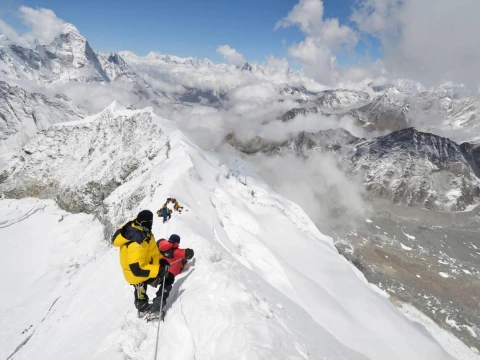
Island Peak (6,189 m) is one of the most popular trekking peaks in Nepal, offering a perfect introduction to Himalayan mountaineering. Located in the Everest region, the climb combines a classic Everest Base Camp trek with a technical summit experience. The journey passes through scenic Sherpa villages, lush forests, glacial rivers, and high alpine landscapes, gradually building up to the final ascent of the peak. This itinerary allows proper acclimatisation, making it safer and more enjoyable for climbers.The climb itself involves glacier travel, use of ropes, and a steep ice headwall near the summit, providing a true alpine experience without requiring extreme technical expertise. With the support of experienced guides from Cross Border Travel & Tours, climbers receive proper training, safety support, and logistical management throughout the journey.Scenic flight to LuklaVisit to Namche Bazaar and Tengboche MonasteryKala Patthar viewpoint hikeTechnical but achievable summit climbStunning views of Everest, Lhotse, and Ama DablamBest Season for Island Peak ClimbingThe best seasons for Island Peak climbing are spring (March to May) and autumn (September to November). During these periods, the weather is generally stable, the skies are clear, and the mountain views are at their best. Spring offers blooming rhododendrons and warmer temperatures, while autumn provides crisp air and excellent visibility after the monsoon season.Winter climbs are possible but extremely cold, while the monsoon season brings heavy rain, slippery trails, and poor visibility. Choosing the right season is essential for both safety and summit success. Cross Border Travel & Tours carefully schedules trips during optimal windows to maximise your chances of a successful climb.Best Time Features:Spring: Mild temperatures, vibrant landscapesAutumn: Clear skies, stable weatherAvoid the monsoon due to rain and landslidesWinter is only for experienced climbersIsland Peak Climbing Difficulty and TransportationIsland Peak is considered moderately difficult, suitable for physically fit trekkers with basic mountaineering skills. The trek involves long walking days at high altitude, while the summit push requires using crampons, harnesses, and fixed ropes. Proper acclimatisation days in Namche and Dingboche are included to reduce altitude sickness risks.Transportation begins with an exciting flight from Kathmandu to Lukla, followed by trekking through the Everest region. All logistics, including porter support and climbing gear coordination, are managed by Cross Border Travel & Tours, ensuring a smooth and well-organised experience.Difficulty & Logistics:Moderate technical difficultyRequires good physical fitnessFlight to Lukla (gateway to Everest)Guided climb with safety equipmentGradual altitude gain for acclimatisationFood and Accommodation for Island Peak ClimbingDuring the trek, accommodation is primarily in teahouses, which provide basic but comfortable lodging with twin-sharing rooms. As you ascend higher, facilities become more basic, but the hospitality remains warm and welcoming. At Island Peak Base Camp, accommodation shifts to tented camping with full support from the crew.Food options include a mix of local and international dishes such as dal bhat, noodles, soups, pasta, and tea. Nutritious meals are essential for maintaining energy levels at high altitude. Cross Border Travel & Tours ensures hygienic food and proper meal planning throughout the journey.Food & Stay Highlights:Teahouse accommodation during trekTented camps at a higher altitudeFreshly prepared mealsVegetarian options are widely availableWarm dining areas in lodgesIsland Peak Climbing PermitsClimbing Island Peak requires several permits issued by the Nepal government and local authorities. These include a climbing permit, national park entry permit, and local municipality fees. Obtaining these permits individually can be complicated, but Cross Border Travel & Tours handles all paperwork efficiently.Having the correct permits ensures legal compliance and supports conservation efforts in the Everest region. Climbers should always carry copies of permits during the trek, as they are checked at multiple points.Required Permits:Island Peak climbing permitSagarmatha National Park entry permitKhumbu Pasang Lhamu rural municipality feeTIMS card (if applicable)Why Choose Island Peak ClimbingIsland Peak climbing is an ideal choice for adventure seekers who want to experience real Himalayan mountaineering without committing to extreme expeditions. It combines trekking and climbing, making it a rewarding and diverse journey. The breathtaking views and cultural immersion add to the uniqueness of the experience.Choosing Cross Border Travel & Tours ensures professional guidance, safety, and personalised service. Their experienced team, attention to detail, and commitment to client satisfaction make them a reliable partner for your Himalayan adventure.Why Choose This Trip:Perfect beginner-friendly climbing peakA combination of trekking and mountaineeringStunning Himalayan panoramasExpert guides and safety supportWell-planned itinerary with acclimatisation
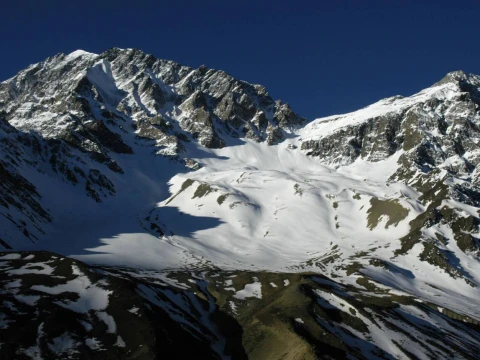
Pisang Peak Climbing (6,091m) is one of Nepal’s most popular trekking peaks, located in the stunning Annapurna Region. The journey begins in Kathmandu and follows the classic Annapurna Circuit route, passing through beautiful villages like Jagat, Dharapani, Chame, and Upper Pisang. Along the way, trekkers experience diverse landscapes—from lush forests and terraced fields to alpine terrain and glacial moraines.The climb itself offers a perfect introduction to mountaineering. The summit push includes glacier travel, snow slopes, and breathtaking Himalayan views of peaks like Annapurna II, III, and Gangapurna. With Cross Border Travel & Tours, the itinerary is carefully designed to ensure proper acclimatisation, safety, and a rewarding summit experience.Scenic Annapurna Circuit trekking routeGradual acclimatisation for safer climbingSpectacular Himalayan panoramasA combination of trekking and technical climbingBest Season for Pisang Peak ClimbingThe best seasons for Pisang Peak Climbing are spring (March–May) and autumn (September–November). During these periods, the weather is stable, skies are clear, and the mountain views are at their best. Spring brings blooming rhododendron forests, while autumn offers crisp air and excellent visibility after the monsoon.Winter (December–February) is much colder with heavy snowfall, making climbing more challenging, while the monsoon season (June–August) brings rain, slippery trails, and poor visibility. For the best experience, Cross Border Travel & Tours recommends planning your trip in peak seasons for optimal safety and enjoyment.Best times:Spring: Mild temperatures, blooming landscapesAutumn: Clear skies, stable conditionsAvoid: Monsoon (rain) and deep winter (extreme cold)Pisang Peak Climbing Difficulty and TransportationPisang Peak is considered a moderate to challenging trekking peak. While it is suitable for beginners with basic mountaineering skills, the high altitude and summit day require strong physical fitness and determination. Climbers should be prepared for steep ascents, the use of ropes, crampons, and ice axes.Transportation involves a mix of road travel and trekking. The journey starts with a drive from Kathmandu to Jagat, followed by days of trekking through the Annapurna region. After completing the climb and crossing Thorong La Pass, the return includes a flight from Jomsom to Pokhara.Key points:Moderate technical climb (basic skills required)High altitude challenges above 5,000mRoad + trekking + domestic flight combinationProfessional guides enhance safetyFood and Accommodation for Pisang Peak ClimbingDuring the trek, accommodation is mainly in teahouses—simple lodges run by locals offering basic but comfortable rooms. In higher elevations, facilities become more limited, and at base camp/high camp, tents are used for overnight stays. Cross Border Travel & Tours ensures well-organised camping arrangements with proper gear and support staff.Food options include a mix of Nepali and international dishes such as dal bhat, noodles, soups, pasta, and tea. At higher altitudes, meals become simpler but are designed to provide enough energy for trekking and climbing. Hygiene and nutrition are carefully managed to keep trekkers healthy.Facilities include:Teahouse lodging during trekTent accommodation at higher campsNutritious meals (local + international)Safe drinking water arrangementsPisang Peak Climbing PermitsClimbing Pisang Peak requires several permits issued by the Nepal Mountaineering Association and local authorities. These permits are essential for both trekking and climbing in the Annapurna region. Cross Border Travel & Tours handles all permit arrangements, saving you time and ensuring compliance with regulations.The required permits include the Annapurna Conservation Area Permit (ACAP), TIMS card, and Pisang Peak climbing permit. Costs vary depending on the season, with higher fees during peak climbing months.Required permits:Pisang Peak climbing permitACAP (Annapurna Conservation Area Permit)TIMS (Trekkers’ Information Management System)Why Choose Pisang Peak ClimbingChoosing Pisang Peak means combining adventure, culture, and natural beauty in one journey. It is ideal for trekkers looking to step into mountaineering without committing to highly technical expeditions. The route offers rich cultural encounters with Gurung and Tibetan-influenced communities, making the experience even more meaningful.With Cross Border Travel & Tours, you benefit from experienced guides, well-planned logistics, and personalised service. Their focus on safety, acclimatisation, and customer satisfaction ensures a smooth and memorable climbing experience from arrival to departure.Why go for it:Perfect beginner-friendly climbing peakDiverse landscapes and cultural exposureProfessional guidance and logisticsHigh success rate with proper acclimatisation
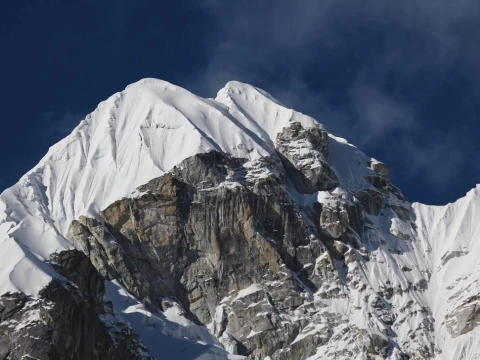
Lobuche Peak is one of the most sought-after trekking peaks in the Everest region of Nepal, standing tall at 6,119 meters (South Peak). Managed by the Nepal Mountaineering Association, this climb offers a combination of high-altitude trekking and mountaineering experience. The journey to Lobuche Peak starts from the bustling Namche Bazaar and passes through scenic landscapes, including rhododendron forests, high alpine meadows, and glaciers. The ascent gives climbers the chance to witness iconic Himalayan giants such as Mount Everest, Lhotse, Nuptse, and Ama Dablam up close.Climbing Lobuche Peak is ideal for adventurers who have some prior trekking or basic mountaineering experience. The climb itself is not technically extremely difficult, but it demands physical endurance, mental preparation, and acclimatization to high altitudes. With the guidance of experienced sherpas and expert leaders from Cross Border Travel & Tours, climbers can safely navigate ice slopes, crevasses, and steep rocky sections while enjoying the breathtaking panoramic views. The journey not only challenges the body but also provides a profound sense of accomplishment for mountaineering enthusiasts.Summit height: 6,119 m (South Peak)Spectacular views of Everest, Lhotse, and Ama DablamA combination of trekking and technical climbingGuided by experienced SherpasBest Season for Lobuche Peak ClimbingThe ideal time to climb Lobuche Peak is during the pre-monsoon (spring) and post-monsoon (autumn) seasons. Spring, from March to May, offers clear skies, moderate temperatures, and blooming rhododendron forests along the trekking route. Autumn, from late September to November, is equally spectacular, with crisp weather and excellent visibility, making it perfect for photography and high-altitude trekking.Winter months can be extremely cold with heavy snowfall, making the climb riskier due to icy and unstable conditions. The monsoon season (June to early September) is generally avoided because of landslides, slippery trails, and limited visibility. Planning your expedition during the recommended seasons ensures safer trekking, pleasant weather, and the best panoramic views of the surrounding Himalayan peaks.Best seasons at a glance:Spring: March – MayAutumn: Late September – NovemberAvoid: Monsoon (June – early September), harsh winter monthsLobuche Peak Climbing Difficulty and TransportationClimbing Lobuche Peak is considered a moderate to challenging expedition. While it doesn’t require advanced technical climbing skills, climbers need to be comfortable with ice and rock climbing techniques. The final ascent involves steep snow slopes, glacier crossings, and a mix of ice and rock sections. Proper training in crampon and ice axe use is essential.Transportation to Lobuche starts with a flight from Kathmandu to Lukla, the gateway to the Everest region. From Lukla, trekkers follow the well-trodden trail through Phakding, Namche Bazaar, Tengboche, Dingboche, and finally Lobuche. The trek is physically demanding, but the steady progression allows proper acclimatization. On summit day, climbers make an early morning ascent, returning to the high camp afterward. Cross Border Travel & Tours ensures all transport logistics, trekking guides, and safety equipment are organized for a smooth experience.Quick facts:Trekking days before summit: 6–8 daysTechnical difficulty: ModerateTransportation: Kathmandu → Lukla (flight) → Trekking routeFood and Accommodation for Lobuche Peak ClimbingDuring the Lobuche Peak expedition, trekkers are accommodated in tea houses or lodges along the trail. These lodges provide basic but comfortable sleeping arrangements, often with warm blankets, shared bathrooms, and limited electricity. At higher altitudes, especially near Lobuche High Camp, accommodation becomes more rustic, focusing on safety and rest.Meals are primarily Nepali and Tibetan cuisine, including dal bhat (rice and lentils), noodles, soups, and vegetable dishes. Adequate hydration and high-calorie meals are essential for maintaining energy levels at altitude. Cross Border Travel & Tours carefully plans meal arrangements and guides what to carry for summit day, including energy snacks, water, and light supplements.Accommodation & food highlights:Tea houses/lodges along the trekking routeBasic high-altitude camp near Lobuche PeakNutritious meals with emphasis on high-calorie foodsHot beverages and soups for energyLobuche Peak Climbing PermitsClimbers are required to obtain a Nepal Mountaineering Association (NMA) permit for Lobuche Peak. This ensures safety, monitoring, and adherence to climbing regulations. Additionally, trekkers need the Sagarmatha National Park entry permit and the Khumbu Pasang Lhamu Rural Municipality fee.The permit process involves providing personal information, climbing dates, and a certified guide. Cross Border Travel & Tours handles all the required permits in advance, so climbers can focus entirely on the journey. Proper permits are mandatory and contribute to supporting conservation and local communities in the Everest region.Permit checklist:Nepal Mountaineering Association (NMA) permitSagarmatha National Park entry permitKhumbu Pasang Lhamu Rural Municipality feeWhy Choose Lobuche Peak Climbing with Cross Border Travel & ToursChoosing Cross Border Travel & Tours ensures a safe, organized, and unforgettable climbing experience. The company offers certified guides, experienced Sherpas, comprehensive acclimatization plans, and all necessary gear. Safety is a priority, with oxygen and first-aid support readily available.Beyond logistics, Cross Border Travel & Tours provides cultural immersion opportunities, allowing climbers to interact with Sherpa communities and experience the unique traditions of the Khumbu region. The combination of professional guidance, personalized support, and the breathtaking Himalayan backdrop makes Lobuche Peak climbing an adventure of a lifetime.Why choose them:Certified guides and experienced SherpasSafety and medical supportAll permit and trekking logistics handledCultural immersion in the Everest regionProfessional high-altitude expedition planning
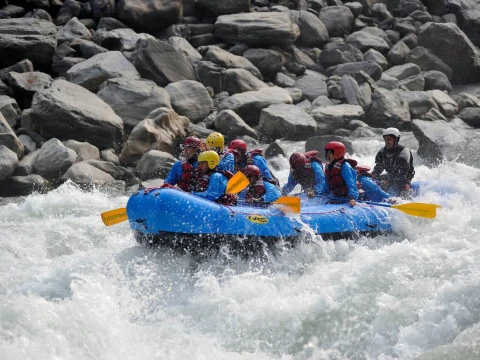
Trishuli River Rafting with Cross Border Travel & Tours offers an unforgettable adventure through one of Nepal’s most famous rivers. The Trishuli River, renowned for its thrilling Class II-III rapids, provides the perfect blend of excitement and accessibility, making it ideal for both beginners and seasoned rafting enthusiasts. The journey begins with a scenic drive from Kathmandu, allowing travelers to soak in Nepal’s serene countryside, passing lush terraced fields, traditional villages, and rolling green hills. Once at the riverbank, guests receive a detailed safety briefing from certified rafting guides, who provide life jackets, helmets, and hands-on instructions to ensure a secure and enjoyable experience.The rafting experience itself is a combination of adrenaline and natural beauty. Participants navigate the river’s rapids, feeling the rush of water while surrounded by towering cliffs, dense forests, and occasional wildlife sightings. Along the way, there are calm stretches to relax and take in the scenery, making the adventure both thrilling and meditative. Midway through, rafters enjoy a delicious riverside picnic featuring freshly prepared Nepali dishes, which provides an authentic cultural touch to the excursion. The day concludes with a return drive to Kathmandu, leaving participants with lasting memories of both adventure and the natural beauty of Nepal.Thrilling Class II-III rapids suitable for all levelsScenic landscapes featuring cliffs, forests, and wildlifeRiverside picnic with traditional Nepali cuisineProfessional rafting guides ensure safety and funConvenient round-trip from KathmanduBest Season for Trishuli River RaftingThe Trishuli River can be enjoyed year-round, but the ideal seasons for rafting are autumn (September to November) and spring (March to May). During these periods, the weather is pleasant, visibility is excellent, and water levels are ideal for safe yet exhilarating rapids. In autumn, the skies are typically clear, offering breathtaking views of the surrounding hills, terraced fields, and distant mountains. Spring brings blooming flora and a vibrant green landscape, enriching the overall rafting experience with vivid scenery.While rafting is possible during the summer monsoon (June to August), the river swells with heavy rainfall, making it more suitable for experienced rafters due to stronger currents. Winter months (December to February) are cooler, and although the rapids are calmer, hypothermia risks increase without proper gear. Cross Border Travel & Tours provides up-to-date guidance on the best dates, ensuring travelers enjoy both safety and adventure. Guests are also advised to wear appropriate attire, including quick-dry clothing and sturdy shoes, to maximize comfort during the journey.Season Highlights:Autumn: Clear skies, moderate water flow, stunning landscapesSpring: Blooming flora, vibrant greenery, enjoyable rapidsSummer: Strong currents for advanced rafters (with caution)Winter: Calm rivers, cooler temperatures, fewer crowdsWhy Choose Trishuli River Rafting with Cross Border Travel & ToursChoosing Cross Border Travel & Tours for your Trishuli River rafting adventure ensures a seamless combination of safety, excitement, and cultural immersion. The company’s experienced team provides professional guidance, including certified rafting instructors, reliable transportation, and well-maintained rafting equipment. From hotel pickup in Kathmandu to return, travelers enjoy a hassle-free experience, allowing them to focus entirely on the thrill of the river and the beauty of Nepal’s countryside.Beyond safety and convenience, the experience is thoughtfully curated to include cultural touches such as a riverside picnic featuring traditional Nepali cuisine. The adventure emphasizes a balance between adrenaline-filled rapids and serene stretches where travelers can admire the surrounding natural environment. By choosing Cross Border Travel & Tours, participants not only embark on an action-packed journey but also gain an authentic glimpse into local life, landscapes, and the unique ecology of the Trishuli River valley. This combination of adventure, safety, and cultural richness makes Trishuli River rafting an unmatched experience for domestic and international tourists alike.Why Choose Us:Certified rafting guides with years of experienceComprehensive safety briefings and equipmentScenic drive through authentic Nepalese villagesRiverside picnic with local cuisineHassle-free round-trip from KathmanduSuitable for beginners and adventure seekers
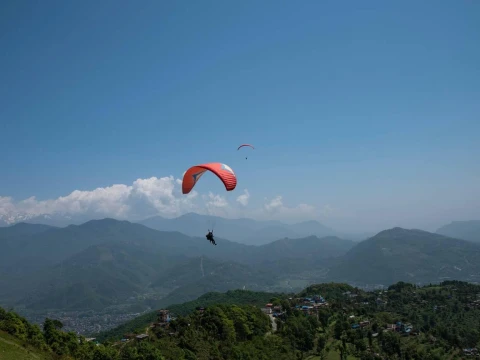
Paragliding in Pokhara is widely regarded as one of the most spectacular aerial experiences in Nepal, attracting adventure seekers from around the world. Operated by Cross Border Travel & Tours, this activity begins with a scenic drive from your hotel to Sarangkot, a hilltop known for its panoramic views of the Annapurna mountain range. The drive itself is a visual treat, winding through verdant hills, terraced rice fields, and small Nepali villages, giving travelers an authentic glimpse into the region’s rural life. Upon reaching the launch site, certified instructors provide a detailed safety briefing and demonstrate the correct takeoff and landing techniques. Their guidance ensures that even first-time flyers can enjoy a safe and thrilling adventure.The highlight of the experience is the tandem flight, which typically lasts between 30 and 45 minutes. From above, the valley of Pokhara unfolds in all its glory, with snow-capped peaks like Annapurna, Dhaulagiri, and the iconic Machapuchhre (Fishtail) towering in the background. Below, the turquoise waters of Fewa Lake shimmer, bordered by lush forests and quaint lakeside villages. During the flight, passengers have ample opportunities for stunning aerial photography. Once the flight concludes, a smooth landing near Fewa Lake is followed by a comfortable transfer back to your hotel, leaving you with unforgettable memories of adventure and awe in the heart of Nepal.Scenic 20-minute drive from the hotel to SarangkotSafety briefing and tandem flight demonstration by certified instructors30–45 minutes of aerial adventure over the Pokhara valleyBreathtaking views of Annapurna, Dhaulagiri, and MachapuchhreSmooth landing near Fewa LakeBest Season for Paragliding in PokharaPokhara offers favorable conditions for paragliding almost year-round, but certain months are particularly ideal for experiencing optimal weather and breathtaking views. The best seasons for paragliding are spring (March to May) and autumn (September to November). During these periods, the skies are usually clear, with minimal rainfall and excellent visibility of the surrounding mountains. Spring brings lush greenery and vibrant blooms across the hills, creating a visually stunning backdrop for your flight. Autumn, on the other hand, offers crisp air, calm winds, and the clearest view of the Annapurna and Dhaulagiri ranges, making it a favorite among photographers and nature enthusiasts.While winter (December to February) and the monsoon season (June to August) are less ideal due to colder temperatures or heavy rainfall, Cross Border Travel & Tours ensures that safety remains a top priority. In winter, flying is still possible on clear days, and the monsoon season may occasionally allow flights when the skies are clear. Pilots are trained to assess weather conditions in real-time, ensuring every flight is both exhilarating and safe. By planning your paragliding adventure during the recommended months, you maximize the chances of enjoying smooth winds, clear skies, and the most spectacular aerial scenery of Pokhara.Quick Tips:Spring (March–May): lush greenery and pleasant weatherAutumn (September–November): clear skies, calm winds, perfect mountain viewsWinter: possible flights on clear days with cold temperaturesMonsoon: generally avoided due to heavy rainfall and turbulenceAlways prioritize weather safety with certified instructorsWhy Choose Paragliding in Pokhara with Cross Border Travel & ToursChoosing Cross Border Travel & Tours for your paragliding adventure in Pokhara guarantees a seamless and professional experience from start to finish. The company is known for its commitment to safety, quality equipment, and highly trained instructors, ensuring that every participant—whether a first-time flyer or an experienced adventurer—enjoys a memorable and secure flight. The team provides personalized service, including hotel pickup, safety briefings, and tandem flights with expert pilots who are familiar with the region’s unique wind conditions. This professional guidance allows passengers to focus on the experience and the incredible views rather than worrying about logistics or safety.Another compelling reason to choose Cross Border Travel & Tours is the emphasis on maximizing your experience of Pokhara’s natural beauty. Flights are strategically planned to provide the best vantage points of the Annapurna range, Fewa Lake, and surrounding valleys. In addition, their instructors are skilled at helping travelers capture stunning photos and videos, so memories of this once-in-a-lifetime adventure can be shared with friends and family. Beyond the flight, the company ensures smooth transfers to and from the hotel, making the day stress-free. With a combination of professional expertise, safety assurance, and breathtaking aerial views, paragliding with Cross Border Travel & Tours is more than just an adventure—it’s a journey through the skies of one of Nepal’s most beautiful regions.Reasons to Choose:Professional and certified pilots for tandem flightsFocus on safety and high-quality equipmentScenic flights with optimal aerial photography opportunitiesHotel pickup and hassle-free transfers includedPersonalized guidance and a memorable experience guaranteed
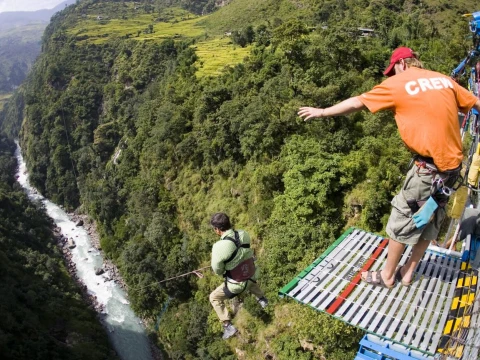
Bhote Koshi Bungee Jumping, operated by Cross Border Travel & Tours, is one of Nepal’s most thrilling and iconic adventure activities. Situated roughly 100 km from Kathmandu along the scenic Araniko Highway, the site sits above the turquoise waters of the Bhote Koshi River, a dramatic confluence of rivers surrounded by steep canyon walls and lush forests. The jump is conducted from a suspension bridge at a height of 160 meters, making it the highest commercial bungee jump in Nepal. The site not only offers a surge of adrenaline but also provides a stunning natural backdrop of the Himalayan foothills, terraced hillsides, and picturesque Nepalese villages, making the experience unforgettable both visually and physically.The adventure begins with a well-organized pickup from Kathmandu by Cross Border Travel & Tours, ensuring a smooth and comfortable journey. Along the way, travelers pass through historic towns such as Dhulikhel, known for panoramic mountain views, and Dolalghat, where the Sun Koshi and Bhote Koshi rivers merge. Upon arrival at The Last Resort, Nepal’s premier bungee jumping site, expert instructors provide a thorough safety briefing, harnessing participants securely and offering guidance on jump techniques. The jump itself includes a thrilling freefall, a pendulum swing over the raging river, and breathtaking views of the surrounding canyon, leaving adventurers with an unforgettable adrenaline rush.160-meter free-fall from a suspension bridgeScenic drive along Araniko HighwayExpert instructors and thorough safety briefingsPanoramic Himalayan views and river canyon sceneryOn-site lunch and relaxation after the jumpBest Season for Bhote Koshi Bungee JumpingThe ideal time to experience Bhote Koshi Bungee Jumping is during Nepal’s dry seasons, which generally fall between late September and early December, and from March to May. During these months, the weather is clear, offering unobstructed views of the Himalayan peaks and ensuring a safer and more enjoyable jump. The spring season (March to May) brings blooming rhododendrons, verdant landscapes, and moderate temperatures, while the autumn season (September to November) provides crisp air, clear skies, and stable weather conditions, perfect for adventure sports.While it is possible to bungee jump during the monsoon season (June to August), heavy rainfall can make roads slippery, and the river flow stronger, slightly increasing the risk factor. Winter months (December to February) are colder, especially at higher altitudes, but still feasible for those prepared with proper gear. Cross Border Travel & Tours carefully plans trips to ensure participants experience optimal weather conditions, minimizing disruptions and maximizing the thrill and safety of the jump.Key Considerations:Spring (March–May) and autumn (September–November) are idealMonsoon season may involve slippery roads and high river flowWinter is cold, but possible with proper preparationClear weather ensures breathtaking views and a safe jumpWhy Choose Bhote Koshi Bungee JumpingChoosing Bhote Koshi Bungee Jumping with Cross Border Travel & Tours ensures a seamless adventure with safety, thrill, and comfort. The company has years of experience organizing day trips from Kathmandu, combining transportation, local guidance, and adventure in a professionally coordinated package. Their expert instructors are trained in international safety standards, providing detailed briefings, proper harnessing, and hands-on guidance to help first-time jumpers feel confident and secure. Beyond the jump, the journey itself is an experience, with scenic drives along terraced hillsides, glimpses of traditional Nepalese villages, and stops at historic sites like Dhulikhel and Dolalghat.The location itself is unmatched in Nepal for adventure seekers. The dramatic canyon walls, turquoise waters, and the sound of rushing rapids create a setting that heightens the thrill of free-falling. After the jump, adventurers can relax at The Last Resort, enjoy fresh local cuisine, and share stories with fellow travelers, making it not just a one-time activity but a complete day of adventure and social connection. With Cross Border Travel & Tours, participants are guaranteed a professionally managed, memorable, and safe bungee jumping experience that blends adrenaline, natural beauty, and cultural exploration seamlessly.Why Bhote Koshi with Cross Border Travel & Tours:Highest commercial bungee in Nepal (160 meters)Expert safety standards and professional instructorsScenic journey and cultural stops en routeFull-day experience with meals and relaxationPerfect mix of adventure, nature, and social interaction
Feel free to inquire, and together, we'll design the perfect journey to suit your preferences and desires.


 (2)
(2)  100% recommend (0)
 (0)
(0)