The Everest Three Pass Trek is one of the most spectacular and challenging trekking routes in Nepal, offering adventure seekers an opportunity to explore the heart of the Khumbu region. Unlike the classic Everest Base Camp trek, this journey takes trekkers across three high passes—Kongma La, Cho La, and Renjo La—providing a unique combination of breathtaking landscapes, remote villages, and awe-inspiring Himalayan peaks. Starting with a scenic flight from Kathmandu to Lukla, trekkers gradually ascend through Sherpa villages, lush rhododendron forests, and terraced farmlands, allowing ample time to acclimatize while immersing in local culture. The trek includes iconic stops such as Namche Bazaar, Tengboche Monastery, and Gokyo Lakes, making it a blend of adventure and cultural exploration.
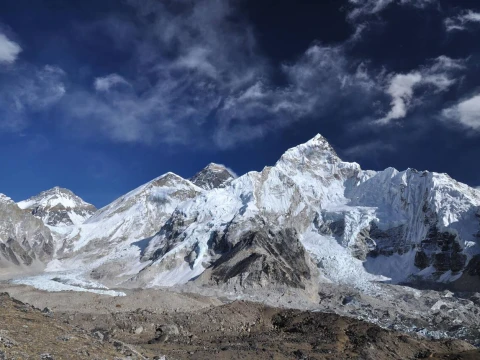
Each pass challenges trekkers to push their limits while offering panoramic views of towering mountains like Everest, Lhotse, Makalu, and Cho Oyu. From the stunning viewpoints of Kala Patthar to the serene turquoise waters of the Gokyo Lakes, this trek guarantees unforgettable vistas at every turn. Along the way, trekkers also have the chance to interact with the Sherpa communities, learn about Buddhist culture, and visit ancient monasteries that have been centers of spiritual life for centuries. The trek typically takes 19-20 days, providing a perfect balance between adventure, acclimatization, and leisure exploration, making it suitable for experienced trekkers looking for both physical challenge and cultural immersion.
The Everest Three Pass Trek can technically be attempted year-round, but the best seasons for trekking are autumn (late September to November) and spring (March to May). During these periods, the weather is generally stable, the skies are clear, and mountain views are unobstructed. Autumn is particularly popular because the air is crisp, daytime temperatures are pleasant, and the landscapes are vibrant after the monsoon. Spring is equally spectacular as rhododendrons bloom along the trails, adding splashes of red and pink to the green valleys.
Winter months (December to February) are less recommended due to heavy snowfall, extreme cold, and risk of avalanches on high passes. Similarly, the monsoon season (June to early September) brings frequent rain, slippery trails, and poor visibility, which can make trekking more dangerous. However, some adventurous trekkers attempt winter crossings for solitude and snow-covered scenery, though it requires advanced preparation and experience. Proper planning around weather and altitude acclimatization is essential, as this trek involves several passes above 5,000 meters, which can increase the risk of altitude sickness if done during less ideal seasons.
Seasonal considerations:
The Everest Three Pass Trek is classified as moderate to strenuous, suitable for trekkers with prior high-altitude experience and good physical fitness. The trek covers approximately 220-250 km over 19-20 days, including multiple high passes and long days of hiking at elevations exceeding 5,000 meters. Altitude acclimatization is crucial, and the itinerary includes strategic rest and acclimatization days at Namche Bazaar, Dingboche, and Gokyo to minimize the risk of altitude sickness. Trekking at such high elevations requires stamina, strong cardiovascular health, and mental resilience, as weather conditions can change rapidly.
Transportation for this trek begins with a domestic flight from Kathmandu to Lukla, often considered one of the most thrilling flights due to the short runway and mountainous terrain. From Lukla, trekking is the primary mode of travel, with trails connecting small villages and tea houses along the way. On certain treks, helicopters may be used for emergencies or early return from high passes, but standard routes rely entirely on walking. Daily trekking hours range from 5 to 9 hours, with moderate ascents, steep climbs over passes, and occasional descents into glacial valleys. Proper hiking gear, sturdy boots, and trekking poles are essential for safety and comfort.
Key points about difficulty and transport:
During the Everest Three Pass Trek, food and accommodation are largely organized in tea houses and lodges along the trail. These local lodges offer basic but comfortable rooms with shared or private bathrooms, hot showers at extra cost, and common dining areas. The teahouses are cozy and provide an opportunity to rest and socialize with fellow trekkers. Accommodation standards vary depending on location, with more basic facilities available at higher elevations like Chhukung, Lobuche, and Gorak Shep.
The cuisine mainly consists of Nepali and Tibetan dishes, including dal bhat (lentil soup with rice), momo (dumplings), noodles, porridge, and soups. Fresh vegetables and fruits may be limited at higher elevations, so high-energy snacks such as chocolate, nuts, and protein bars are recommended. Meals are hearty to help replenish energy lost during long trekking days. Tea houses provide warm tea, coffee, and hot water, essential for staying hydrated in cold, high-altitude conditions. Trekkers should also carry personal essentials, as small shops may not stock all items in remote villages.
Summary of food and lodging:
To undertake the Everest Three Pass Trek, trekkers require specific permits issued by the Nepal government. These permits include the Sagarmatha National Park Permit and the Khumbu Pasang Lhamu Rural Municipality Permit. The Sagarmatha National Park Permit allows entry into the national park, which is home to the world’s highest peaks, including Everest. The Khumbu Pasang Lhamu Rural Municipality Permit is required to trek in restricted areas beyond Namche Bazaar, including the high passes and remote Gokyo regions.
Additionally, trekkers are required to carry a TIMS (Trekkers’ Information Management System) card, which ensures safety tracking and helps authorities monitor trekking activities in the region. Permits can be arranged in advance by your trekking company, Cross Border Travel & Tours, or obtained upon arrival in Kathmandu. It is important to carry original permits and identification during the trek, as park authorities frequently check trekkers along the trail. These permits contribute to conservation efforts, ensuring the preservation of the natural and cultural heritage of the Khumbu region.
Permit essentials:
Choosing the Everest Three Pass Trek with Cross Border Travel & Tours offers an unmatched combination of adventure, culture, and natural beauty. This trek stands out for its high-altitude challenge, crossing three passes above 5,300 meters, while also providing opportunities to visit Everest Base Camp, Kala Patthar, and the stunning Gokyo Lakes. It is perfect for trekkers who want a more remote and exhilarating alternative to the standard Everest Base Camp trek.
Cross Border Travel & Tours ensures a seamless trekking experience with experienced guides, porters, and well-planned itineraries. The company emphasizes safety, acclimatization, and cultural immersion, allowing trekkers to enjoy the journey without logistical stress. From securing permits to arranging comfortable tea house stays and providing knowledgeable local guides, every aspect is handled professionally. Trekkers can expect spectacular mountain vistas, rich Sherpa culture, and memories of one of the most iconic trekking experiences on Earth.
Reasons to choose this trek:
Upon arrival at Tribhuvan International Airport in Kathmandu, you will be warmly welcomed by the team from Cross Border Travel & Tours. After completing airport formalities, you will be transferred to your hotel in the heart of Kathmandu. Take the day to rest, recover from your journey, and acclimatize to the city’s elevation. In the evening, the team will brief you about the trek, distribute trekking documents, and help you with any last-minute arrangements. Enjoy a traditional Nepali dinner and prepare mentally for the adventure ahead.
Today is dedicated to exploring the rich cultural heritage of Kathmandu. You will visit iconic sites like the UNESCO World Heritage temples of Pashupatinath, Boudhanath Stupa, and Kathmandu Durbar Square. After sightseeing, the team from Cross Border Travel & Tours will assist with trekking gear checks and distribute permits required for the Everest region. This day is also an opportunity to interact with fellow trekkers and discuss the journey ahead. An early night is recommended to rest and prepare for the early flight to Lukla tomorrow.
After an early breakfast, you will board a scenic flight from Kathmandu to Lukla, a thrilling 35-minute journey over snow-capped mountains and deep valleys. Upon arrival, the trekking team will guide you on your first steps along the Dudh Koshi River to Phakding. The trek is relatively gentle today, allowing your body to start adjusting to the higher altitude. Along the trail, you’ll pass traditional villages, prayer wheels, and suspension bridges, enjoying your first glimpses of the majestic Himalayan peaks. Overnight stay will be in a cozy teahouse in Phakding.
Today’s trek takes you deeper into the Khumbu region, following the Dudh Koshi River through pine forests and small villages. Crossing several suspension bridges, you will encounter cheerful Sherpa communities and learn about their traditions. The ascent to Namche Bazaar is challenging but rewarding, as the famous Sherpa capital reveals stunning views of Everest and surrounding peaks. Arriving in Namche, you can explore its bustling market, souvenir shops, and cafes. The team will help you settle into your teahouse and provide guidance for tomorrow’s crucial acclimatization day.
Namche Bazaar’s high altitude requires a full day of acclimatization. You will take short walks to nearby viewpoints, observing the surrounding peaks like Ama Dablam, and visit the Sherpa Heritage Museum to learn about the culture of the region. This rest day helps your body adjust to the elevation, reducing the risk of altitude sickness. Cross Border Travel & Tours will organize optional excursions to nearby villages or short hikes to Everest View Hotel. In the evening, enjoy a warm meal and reflect on the breathtaking scenery while preparing for the challenging trek ahead.
Leaving Namche Bazaar, the trail gradually climbs through rhododendron forests and terraced fields. Along the way, you will encounter mani walls and prayer flags fluttering in the wind, marking the spiritual significance of the area. Tengboche is famous for its ancient monastery, perched dramatically against the backdrop of Ama Dablam and other Himalayan giants. Upon arrival, you can attend the evening prayer ceremony at Tengboche Monastery and soak in the serene atmosphere. Overnight stay is at a local teahouse with panoramic mountain views.
The trail today passes through gently rolling hills and open valleys, with spectacular views of Thamserku and Ama Dablam. As you ascend towards Dingboche, the vegetation becomes sparse, and the Himalayan landscape opens up, giving a sense of remoteness. You’ll pass small villages, prayer flags, and stone stupas along the way. Dingboche is a picturesque settlement with stunning mountain vistas, ideal for photography and rest. This trek segment challenges your endurance and begins your higher-altitude acclimatization in preparation for the demanding passes ahead.
Today is dedicated to acclimatization at Dingboche, helping your body adjust to over 4,400 meters of elevation. Cross Border Travel & Tours will guide a short hike to Nagarjun Hill or nearby ridges, offering panoramic views of Island Peak, Lhotse, and Ama Dablam. The rest of the day can be spent exploring the village, interacting with locals, and preparing for the ascent over Kongma La Pass. Proper hydration, light walking, and a nutritious meal are emphasized today to ensure your body is fully prepared for the upcoming high-altitude trekking days.
Leaving Dingboche, you trek through glacial moraines and high alpine terrain to reach Chhukung. Upon arrival, Cross Border Travel & Tours will guide you to climb Chhukung Ri, a challenging yet rewarding peak offering breathtaking 360-degree views of Island Peak, Lhotse, and Ama Dablam. This climb helps your body acclimatize further to high altitude, preparing you for the upcoming passes. Descend to Chhukung for an overnight stay in a teahouse, where the crisp mountain air and starry skies create an unforgettable Himalayan experience.
Today’s trek involves crossing Kongma La Pass, one of the highest points of the Everest Three Pass Trek. The ascent is steep and physically demanding, with breathtaking views of the surrounding peaks and glaciers. After reaching the summit, you descend into the Khumbu Glacier valley and continue trekking to Lobuche. Along the trail, you will witness surreal landscapes of icefalls, rugged peaks, and moraines. Upon arrival in Lobuche, a small settlement at nearly 5,000 meters, you will rest and prepare for the next day’s trek to Everest Base Camp.
The trail from Lobuche to Gorak Shep is challenging, with rocky paths and high-altitude terrain. Once at Gorak Shep, you will leave your gear and trek to Everest Base Camp, the ultimate milestone of the journey. Standing at the base of the world’s tallest peak, surrounded by towering mountains and glaciers, is a truly awe-inspiring experience. Return to Gorak Shep for an overnight stay. Cross Border Travel & Tours ensures your safety and provides guidance throughout this physically demanding day, making it a memorable highlight of your trek.
An early morning hike to Kala Patthar rewards you with the most iconic views of Everest, Nuptse, and Pumori during sunrise. The golden light on the peaks offers spectacular photographic opportunities. After soaking in the scenery, you descend back to Gorak Shep, enjoy breakfast, and trek to Lobuche for an overnight stay. This day combines the exhilaration of summit-like views with careful high-altitude trekking management, ensuring your safety and optimal acclimatization as guided by Cross Border Travel & Tours.
Today’s trek begins with a gentle ascent and gradually climbs towards Dzongla. Along the way, you traverse moraines, glaciers, and rugged mountain trails, passing through remote settlements. Dzongla is a small teahouse village surrounded by towering peaks, offering peace and solitude in the high Himalayas. The trail challenges your stamina and endurance, while the landscape rewards your efforts with awe-inspiring panoramas. Overnight stay at a local teahouse ensures rest before the demanding Cho La Pass trek tomorrow.
Crossing the Cho La Pass is one of the most adventurous parts of the trek. The trail is steep and rocky, with snow and ice patches requiring careful navigation. At the summit, you are rewarded with stunning views of Ngozumpa Glacier, Gokyo Lakes, and the surrounding peaks. After descending, you arrive in Gokyo, a serene settlement known for its turquoise lakes and panoramic vistas. Overnight stay at a teahouse provides relaxation and an opportunity to celebrate completing one of the most challenging segments of the trek.
Gokyo’s rest day is an opportunity to explore the glacial lakes and climb Gokyo Ri, offering some of the finest panoramic views of Everest, Cho Oyu, and Makalu. Cross Border Travel & Tours will guide you to enjoy the surrounding lakes, glaciers, and meadows, capturing spectacular photographs and appreciating the tranquility of the region. This day allows your body to recover while soaking in the high-altitude landscapes. In the evening, share experiences with fellow trekkers and prepare for the next high pass, Renjo La.
The trek today involves crossing the Renjo La Pass, offering dramatic views of Everest, Makalu, and Cho Oyu from the summit. The descent leads you to Lumde, a quiet settlement nestled in the valley with breathtaking scenery. This segment requires stamina and careful trekking, but the rewards include stunning glaciers, high-altitude lakes, and the sense of accomplishment from conquering another major pass. Lumde’s teahouses provide a warm and welcoming environment to rest, hydrate, and prepare for the final descent towards Namche Bazaar.
Descending from Lumde, the trail passes through rhododendron forests, terraced fields, and Sherpa villages. As you approach Namche Bazaar, the vibrant marketplace and friendly locals welcome you back. This trek segment is less physically demanding, allowing your body to recover while enjoying final glimpses of iconic peaks and traditional Sherpa culture. Overnight stay in Namche provides comfort and preparation for the remaining descent to Lukla. Cross Border Travel & Tours ensures a smooth and enjoyable descent, highlighting the final stages of your high-altitude adventure.
The final trekking day takes you back to Lukla, following the Dudh Koshi River through picturesque villages and forests. The descent is gradual but long, allowing you to reflect on the incredible journey over three high passes. Arrival in Lukla marks the end of the trekking segment, where you can celebrate with fellow trekkers. Overnight stay in Lukla is at a comfortable teahouse, offering a sense of accomplishment and preparation for the flight back to Kathmandu.
An early morning flight from Lukla returns you to Kathmandu, offering breathtaking aerial views of the Himalayan peaks and deep valleys. Upon arrival, transfer to your hotel and enjoy leisure time to explore the city, shop for souvenirs, or relax at your hotel. Cross Border Travel & Tours will assist with any final arrangements, ensuring a smooth transition from trekking to city life. In the evening, enjoy a farewell dinner celebrating the successful completion of your Everest Three Pass adventure.
Today marks the end of your Himalayan journey. Depending on your flight schedule, you will be transferred to Tribhuvan International Airport for departure. Take with you memories of towering peaks, challenging passes, and the warmth of the Sherpa culture. Cross Border Travel & Tours thanks you for choosing them for this once-in-a-lifetime experience and ensures your departure is seamless and stress-free, leaving you with stories and experiences to cherish forever.
Your Start Date is the day you land in Nepal, and your End Date is when you fly home.
If the set Everest Three Pass Trek group dates don’t suit your schedule, we can offer alternative dates upon request.
The Everest Three Pass Trek is one of the most challenging and rewarding treks in the Himalayas, covering three major high-altitude passes: Kongma La, Cho La, and Renjo La. This trek is ideal for physically fit and adventurous trekkers who have prior trekking experience at moderate to high altitudes. It combines cultural experiences in Sherpa villages, visits to Everest Base Camp, and panoramic Himalayan vistas. Cross Border Travel & Tours ensures trekkers receive professional guidance, safety support, and acclimatization strategies throughout the journey.
The trek is considered strenuous due to multiple high passes, long trekking days, and altitudes ranging from 2,600 meters in Phakding to over 5,400 meters at Cho La Pass. Trekkers need good cardiovascular fitness, endurance, and prior trekking experience at high altitudes. Cross Border Travel & Tours emphasizes acclimatization days and gradual ascent schedules to reduce the risk of altitude sickness. While challenging, the trek is achievable for those who prepare physically and mentally, and who follow guidance from professional guides and porters provided by the company.
Altitude sickness can occur at elevations above 3,000 meters. To minimize risks, trekkers should ascend gradually, stay hydrated, eat balanced meals, and take rest days for acclimatization, particularly at Namche Bazaar, Dingboche, and Gokyo. Cross Border Travel & Tours provides expert advice on recognizing symptoms of acute mountain sickness and guides trekkers in adjusting pace or descending if necessary. Carrying medication such as acetazolamide may also be recommended after consultation with a physician. Careful planning and following professional guidance significantly reduce the risk of altitude-related health issues.
Yes, the Everest Three Pass Trek naturally incorporates both Everest Base Camp and the Gokyo Lakes, providing a complete and diverse experience of the Khumbu region. Trekkers witness iconic Himalayan peaks, glaciers, high passes, Sherpa villages, and pristine alpine lakes. Cross Border Travel & Tours designs the itinerary to balance acclimatization, adventure, and sightseeing, ensuring you experience Everest Base Camp, Kala Patthar sunrise, and the serene Gokyo Lakes without rushing. This combination makes it one of the most comprehensive high-altitude trekking adventures in Nepal.
Preparation for this demanding trek involves regular cardiovascular exercise, strength training, and long hikes at increasing altitudes before departure. Mental preparation is equally important, as the trek requires endurance, patience, and the ability to handle challenging weather and terrain. Cross Border Travel & Tours provides pre-trek guidance, including fitness tips, acclimatization advice, and packing recommendations to help trekkers build confidence and stamina. Adequate preparation ensures a safer, more enjoyable experience, allowing you to fully appreciate the incredible Himalayan scenery and cultural encounters.
The trek is best undertaken during the pre-monsoon (March to May) and post-monsoon (late September to November) seasons. During these periods, the weather is stable, skies are clear, and mountain views are at their most spectacular. Winter months are extremely cold, and monsoon season brings heavy snowfall, landslides, and slippery trails. Cross Border Travel & Tours recommends these ideal seasons to maximize safety, visibility, and trekking comfort while avoiding harsh weather conditions that could hinder progress or increase risk.
Accommodation on the Everest Three Pass Trek is primarily in teahouses, which are simple lodges offering meals, basic rooms, and communal bathrooms. Teahouses range from rustic in remote areas to more comfortable in Namche Bazaar, Lukla, and Gokyo. Cross Border Travel & Tours carefully selects reliable teahouses to ensure trekkers have clean sleeping arrangements, hot meals, and sufficient rest. While facilities are basic compared to urban hotels, they provide warmth, shelter, and a chance to immerse yourself in the local culture and Himalayan hospitality.
Meals during the trek are typically served at teahouses and consist of Nepali, Tibetan, and Western dishes such as dal bhat (lentils and rice), noodles, soups, and pasta. Hot drinks like tea, coffee, and hot chocolate are available, which help combat the cold. Cross Border Travel & Tours ensures that trekkers have access to nutritious meals daily to maintain energy levels for strenuous trekking. Special dietary requirements can often be accommodated if informed in advance, allowing trekkers to enjoy their meals safely and comfortably at high altitudes.
The Everest Three Pass Trek is generally safe when proper preparation, acclimatization, and caution are observed. Cross Border Travel & Tours prioritizes safety by providing experienced guides, trained porters, oxygen equipment for emergencies, and detailed briefing on high-altitude safety. Guides monitor weather conditions, assess the health of trekkers, and adjust itineraries if necessary. The company also offers travel insurance recommendations covering high-altitude trekking, ensuring that clients have comprehensive support throughout the journey in case of emergencies, injuries, or unexpected changes in conditions.
Yes, trekking in the Everest region requires two main permits: the Sagarmatha National Park Permit and the Khumbu Region (or TIMS) Trekking Permit. These permits are essential for entering protected areas and are strictly enforced by local authorities. Cross Border Travel & Tours handles all the permit arrangements on your behalf, ensuring that you have valid documents before starting the trek. They also provide guidance on carrying your permit and identification properly while trekking, which is required for teahouse check-ins and occasional police checks along the trail.
Packing appropriately is crucial for comfort and safety. Essentials include layered clothing for cold and unpredictable weather, trekking boots, a down jacket, gloves, hats, trekking poles, a sleeping bag, personal toiletries, and a first-aid kit. Sun protection, water purification tablets, and snacks are also recommended. Cross Border Travel & Tours provides a detailed packing list tailored to the Everest Three Pass Trek, ensuring trekkers are prepared for high-altitude conditions, snow, and variable weather while minimizing unnecessary weight on long trekking days.
| No of people | Price per person |
|---|---|
| 1 - 1 | $1,560 |
| 2 - 4 | $1,440 |
| 5 - 9 | $1,425 |
| 10 - 15 | $1,410 |
| 16 - 20 | $1,395 |


 (2)
(2)  100% recommend (0)
 (0)
(0)