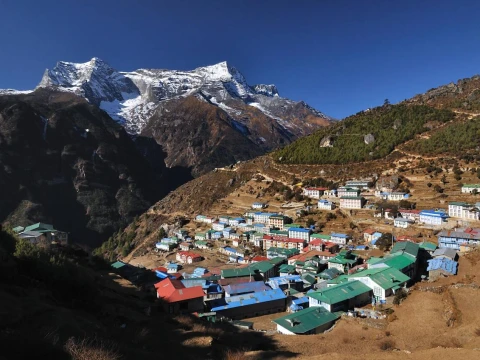
The Everest Panorama Trek, organized by Cross Border Travel & Tours, is a spectacular adventure in the heart of the Nepalese Himalayas. Unlike the full Everest Base Camp trek, this trek offers a shorter yet equally rewarding experience, allowing trekkers to enjoy breathtaking views of the world’s highest peak, Mount Everest (8,848m), along with other iconic Himalayan mountains such as Lhotse, Nuptse, Ama Dablam, and Thamserku. The trek begins in Kathmandu, the capital city of Nepal, where travelers are greeted with vibrant culture, historic temples, and bustling markets. From Kathmandu, participants fly to Lukla, the gateway to the Everest region, and begin the trek towards charming Sherpa villages, picturesque landscapes, and high-altitude forests.This trek is ideal for travelers seeking a moderate trekking challenge combined with rich cultural experiences. Along the way, you will visit renowned Sherpa villages like Namche Bazaar, Tengboche, and Khumjung, offering insight into the unique Tibetan-influenced lifestyle of the Himalayan people. The trek also includes acclimatization days, particularly in Namche Bazaar, to reduce the risk of altitude sickness and to allow trekkers to enjoy scenic hikes around the village. Highlights of the trek include panoramic mountain vistas, the spiritual ambiance of Tengboche Monastery, and the chance to witness traditional Sherpa hospitality in cozy teahouses along the trail.Panoramic views of Mount Everest and surrounding peaksCultural encounters in Sherpa villagesScenic forested trails and suspension bridgesSpiritual visit to Tengboche MonasteryBest Season for Everest Panorama TrekThe Everest Panorama Trek can technically be undertaken year-round, but the best seasons are spring (March to May) and autumn (late September to November). During these periods, the weather is stable, the skies are mostly clear, and the mountain views are at their sharpest. Spring offers blooming rhododendrons along the trail, adding vibrant colors to the trek, while autumn provides crisp air and excellent visibility of the Himalayan range.Winter trekking (December to February) is possible but can be extremely cold, especially in higher altitudes like Tengboche and Namche Bazaar. Summer (June to August) coincides with the monsoon season, bringing heavy rain and muddy trails, which may reduce visibility and increase the risk of landslides. Planning your trek with Cross Border Travel & Tours during the optimal season ensures safety, comfortable conditions, and the best photographic opportunities.Seasonal summary:Spring (March–May): Blooming rhododendrons, clear skiesAutumn (Sept–Nov): Crisp air, stable weather, peak visibilityWinter (Dec–Feb): Cold, fewer trekkers, snowy trailsMonsoon (Jun–Aug): Rainy, slippery trails, less visibilityEverest Panorama Trek Difficulty and TransportationThe Everest Panorama Trek is considered a moderate trek, suitable for physically fit beginners and experienced trekkers who want a shorter Everest adventure. The trek involves walking 4–6 hours per day on average, with gradual altitude gains to allow for proper acclimatization. While it does not require technical climbing skills, trekkers should be prepared for high-altitude trekking challenges, such as thinner air, steep ascents, and uneven terrain.Transportation starts in Kathmandu, where travelers can explore the city before flying to Lukla, the starting point of the trek. The flight to Lukla itself is a thrilling experience, offering dramatic aerial views of the Himalayas. From Lukla, the trek proceeds on foot through a combination of forest trails, suspension bridges, and high-altitude villages. Return transportation includes a flight back to Kathmandu from Lukla, where trekkers can relax after an unforgettable mountain adventure.Transportation and difficulty overview:Difficulty: Moderate, suitable for fit beginnersTrek duration: 9–11 daysDaily trek time: 4–6 hours on averageTransportation: Flight Kathmandu–Lukla, trekking, flight Lukla–KathmanduFood and Accommodation for Everest Panorama TrekAccommodation along the Everest Panorama Trek is primarily in teahouses, locally-run lodges that provide basic rooms and meals. Rooms typically include a bed, blankets, and shared or private bathrooms, depending on the lodge. Staying in teahouses offers an authentic cultural experience, as travelers interact with Sherpa families and other trekkers while enjoying warm meals and hospitality.Food is simple but nourishing, designed to keep trekkers energized at high altitudes. Popular options include dal bhat (lentil rice), noodles, soups, and Tibetan-style momos (dumplings). Tea, coffee, and hot chocolate are widely available, helping trekkers stay warm in chilly mountain conditions. Cross Border Travel & Tours ensures that all arrangements meet hygiene and comfort standards, so trekkers can focus on the scenic journey rather than logistical concerns.Food and accommodation highlights:Cozy teahouse lodging along the trailLocal Nepali and Tibetan-style mealsHot beverages to combat cold temperaturesInteraction with Sherpa hosts for cultural immersionEverest Panorama Trek PermitsTrekking in the Everest region requires a few essential permits. The main permits for the Everest Panorama Trek include:TIMS Card (Trekkers’ Information Management System) – required for all trekkers in Nepal to ensure safety and manage trekking regulations.Sagarmatha National Park Entry Permit – mandatory for entering the Everest region, as it is a protected area with unique flora, fauna, and cultural sites.Obtaining these permits is straightforward, and Cross Border Travel & Tours handles all arrangements on behalf of trekkers. Having proper permits ensures legal trekking, supports conservation efforts, and helps maintain the trails and local communities.Key permit details:TIMS Card – For all trekkersSagarmatha National Park Permit – Required for the Everest regionArranged conveniently by the trekking companyWhy Choose Everest Panorama TrekChoosing the Everest Panorama Trek with Cross Border Travel & Tours offers a perfect balance of adventure, culture, and comfort. Unlike longer treks, it allows travelers to witness the majesty of Everest and the surrounding peaks in a shorter timeframe, making it ideal for first-time trekkers or those with limited vacation days. The trek is well-structured, offering gradual acclimatization, cultural encounters, and spectacular photo opportunities.The company prides itself on providing experienced guides, safety-focused planning, and personalized service throughout the trek. From comfortable teahouse accommodations to local cultural immersion, every detail is designed to create a seamless Himalayan adventure. The Everest Panorama Trek is not just a journey through mountains but an opportunity to experience the vibrant Sherpa culture, stunning landscapes, and the sense of accomplishment that comes with exploring the world’s highest peaks.Reasons to choose this trek:Short yet immersive Everest experienceExperienced guides and safe trekking arrangementsCultural interaction in Sherpa villagesPanoramic mountain views without extreme physical demand


 (2)
(2)  100% recommend (0)
 (0)
(0)