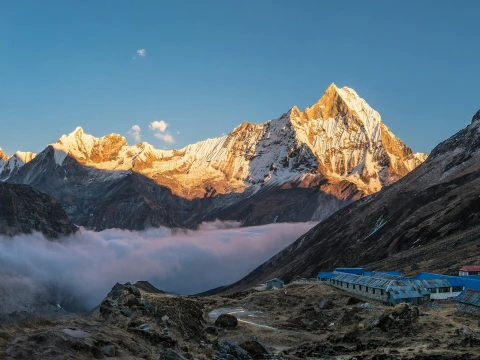
The Annapurna Base Camp (ABC) Trek is one of Nepal's most iconic trekking experiences, offering breathtaking views of towering Himalayan peaks such as Annapurna I, Machapuchare (Fishtail), and Hiunchuli. Starting from the cultural hub of Kathmandu, trekkers drive to Pokhara, the gateway to the Annapurna region. The journey then continues to Nayapul, where the trekking adventure begins, passing through scenic villages like Ghandruk and Chomrong, dense forests, terraced fields, and suspension bridges. The highlight is reaching the Annapurna Base Camp at 4,130 meters, where the panoramic view of snow-capped peaks at sunrise is simply unforgettable.This trek combines natural beauty, cultural richness, and adventure. Along the route, trekkers interact with local Gurung and Magar communities, experience traditional Nepali hospitality, and walk through rhododendron forests and high-altitude landscapes. Each day offers a new perspective, whether it’s the cascading waterfalls near Chomrong or the thermal springs at Jhinu Danda. The return journey descends gradually, allowing trekkers to enjoy the lush valleys and serene villages once more.Views of Annapurna Massif and MachapuchareCultural experiences in Ghandruk and ChomrongRhododendron forests and waterfallsSunrise at Annapurna Base CampBest Season for Annapurna Base Camp TrekThe Annapurna region is accessible year-round, but the best trekking seasons are spring (March–May) and autumn (September–November). Spring showcases blooming rhododendrons, moderate temperatures, and clear skies, perfect for photography and mountain vistas. Autumn follows the monsoon season, offering crisp air, excellent visibility, and stable weather, making it ideal for summit views.Winter treks (December–February) are quieter but colder, and some higher trails may have snow. Summer (June–August) brings monsoon rains, making trails slippery and landslides more likely. Choosing the right season ensures both safety and the most rewarding visual experience at the Base Camp.Key Points:Spring: blooming rhododendrons, mild weatherAutumn: clear skies, peak visibilityWinter: fewer crowds, colder temperaturesSummer: monsoon, slippery trailsAnnapurna Base Camp Trek Difficulty and TransportationThe ABC trek is considered moderate in difficulty, suitable for physically fit beginners and seasoned trekkers. Daily trekking ranges from 4–7 hours, with gradual altitude gain up to 4,130m. Proper acclimatization is crucial to avoid altitude sickness, especially when ascending from Deurali to ABC.Transportation to the trekking region is convenient with tourist buses from Kathmandu to Pokhara and private or shared vehicles to Nayapul, saving time and providing comfort before the trekking journey begins. Local guides and porters offered by Cross Border Travel & Tours make the trek more manageable, providing support with luggage and route navigation.Key Points:Moderate trek, 4–7 hours/dayMaximum altitude: 4,130m (ABC)Transportation: bus or car to NayapulGuides and porters recommendedFood and Accommodation for Annapurna Base Camp TrekAlong the trek, accommodation is primarily in teahouses, small lodges run by local families. Rooms are basic but comfortable, offering warm meals, hot showers (available for a fee), and opportunities to interact with locals. Common dishes include Dal Bhat (rice and lentils), noodles, momo (dumplings), and soups, which provide high-energy meals for trekkers.Trekkers are advised to carry water purification tablets or a refillable water bottle. Cross Border Travel & Tours ensures teahouse stays are pre-arranged for convenience, comfort, and hygiene, making the trekking experience smooth and worry-free.Key Points:Lodging in local teahousesTraditional Nepali meals (Dal Bhat, momo, soups)Warm showers and basic amenitiesWater purification recommendedAnnapurna Base Camp Trek PermitsTo trek in the Annapurna region, two permits are required:Annapurna Conservation Area Permit (ACAP) – mandatory for all trekkersTrekkers’ Information Management System (TIMS) Card – ensures safety and trackingThese permits help maintain environmental protection and trekking regulation in the region. Cross Border Travel & Tours assists trekkers with obtaining all necessary permits before the journey, ensuring a hassle-free start.Key Points:ACAP and TIMS requiredIssued in Kathmandu or PokharaManaged by trekking agencies for convenienceWhy Choose Annapurna Base Camp TrekChoosing the ABC trek with Cross Border Travel & Tours guarantees a seamless adventure with professional guides, safe trekking routes, and local cultural insights. The trek offers a blend of adventure, natural beauty, and authentic Nepali culture. Sunrise over the Annapurna range, the warm hospitality of teahouses, and the thrill of reaching the Base Camp make it a life-changing experience.Whether you are a beginner or an experienced trekker, ABC Trek provides a perfect balance of challenge, scenery, and cultural immersion. The company ensures safety, comfort, and a memorable journey that stays with you forever.Key Points:Experienced guides and support staffSafe and well-organized trekking routesCultural immersion in local villagesUnmatched mountain scenery
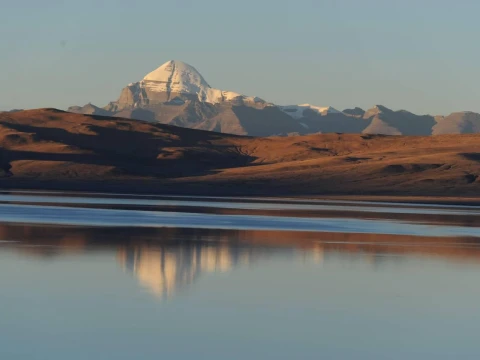
The Kailash Mansarovar Overland Yatra is one of the most sacred and spiritually enriching journeys in the world, taking pilgrims and travelers to the revered Mount Kailash and the holy Lake Mansarovar in Tibet. This 13-day itinerary begins in Kathmandu and gradually ascends through scenic Himalayan landscapes, crossing into Tibet via Rasuwagadhi and Kyirong. Along the way, travelers experience dramatic altitude changes, vast plateaus, and deeply spiritual environments that hold significance in Hinduism, Buddhism, Jainism, and Bon traditions.A major highlight of the journey is the Kailash Kora, a three-day trek circling Mount Kailash. Pilgrims believe completing this circuit cleanses sins and brings spiritual liberation. The journey also includes a sacred bath and puja at Lake Mansarovar, where the serene environment enhances the spiritual experience. Organized by Cross Border Travel & Tours, this overland route offers a structured yet immersive pilgrimage blending comfort, adventure, and devotion.Sacred Lake Mansarovar rituals and holy bathKailash Parikrama (Kora) trekking experienceScenic overland drive through Nepal and TibetCultural exposure to the Tibetan lifestyle and monasteriesBest Season for Kailash Mansarovar Overland YatraChoosing the right season is crucial for a safe and enjoyable Kailash Mansarovar journey. The best time to undertake this yatra is from May to September, when the weather is relatively stable, and road conditions are favorable. During these months, the skies are clearer, offering breathtaking views of Mount Kailash and the surrounding landscapes.Spring (May–June) and early autumn (September) are particularly ideal due to moderate temperatures and fewer chances of heavy rainfall. Monsoon months (July–August) can still be traveled, but occasional landslides and road disruptions may occur on the Nepal side. Winter months are not recommended due to extreme cold and blocked routes in Tibet.Seasonal Insights:May–June: Clear skies and comfortable temperaturesJuly–August: Possible rain but lush scenerySeptember: Stable weather and fewer crowdsOctober–April: Not suitable due to harsh conditionsKailash Mansarovar Overland Yatra: Difficulty and TransportationThis yatra is considered moderately to highly challenging due to high altitudes, long travel hours, and the physical demands of trekking. The highest point, Dolma La Pass (5630m), requires good stamina and proper acclimatization. Even though no technical climbing is involved, altitude sickness can affect travelers, making preparation essential.Transportation is primarily by comfortable vehicles such as buses or jeeps for the overland journey. Roads in Tibet are mostly well-maintained, while Nepal sections can be rough. The trek portion during the Kora is done on foot or with optional support like yaks or porters.Important Factors:High altitude challenges (above 4500m)Long driving durations (up to 9 hours)3-day trekking during Kailash KoraSupport vehicles and optional trekking assistanceFood and Accommodation for Kailash Mansarovar Overland YatraFood and accommodation throughout the journey are arranged to provide comfort despite remote conditions. In Kathmandu, travelers stay in well-equipped hotels, while in Tibet, accommodation is mostly in guesthouses or basic lodges. Facilities become simpler as the journey progresses toward Mount Kailash.Meals are generally vegetarian, catering to the spiritual nature of the pilgrimage. Cross Border Travel & Tours ensures hygienic and nutritious food, often including Nepali, Indian, and Tibetan dishes. Boiled water and hot drinks are provided to maintain health at high altitudes.What to Expect:Hotels in Kathmandu; guesthouses in TibetSimple but clean accommodation near KailashVegetarian meals throughout the tripWarm soups, rice, noodles, and teaKailash Mansarovar Overland Yatra PermitsTraveling to Mount Kailash and Lake Mansarovar requires several permits, as the region lies in Tibet (China). These permits are managed by the tour operator, ensuring a smooth and hassle-free process for travelers. Independent travel is not allowed, making it essential to book through a registered company like Cross Border Travel & Tours.The permit process involves submitting passport details in advance and obtaining group visas, Tibet Travel Permits, and special entry permits for restricted areas. The process may take a few weeks, so early booking is recommended.Required Permits:Chinese Group VisaTibet Travel PermitAlien Travel PermitMilitary/Restricted Area PermitsWhy Choose Kailash Mansarovar Overland YatraThe overland route to Kailash Mansarovar is ideal for those seeking a balance between adventure and accessibility. Compared to helicopter tours, it allows gradual acclimatization, reducing the risk of altitude sickness while offering a deeper connection with the landscape and culture.Choosing Cross Border Travel & Tours ensures a professionally managed experience with experienced guides, proper logistics, and safety measures. Their expertise in cross-border travel and pilgrimage tours guarantees that every aspect, from permits to accommodations, is handled efficiently, allowing travelers to focus on the spiritual essence of the journey.Reasons to Choose This Yatra:Gradual altitude gain for better acclimatizationCost-effective compared to helicopter toursRich cultural and scenic experiencesExpert management by Cross Border Travel & Tours


 (2)
(2)  100% recommend (0)
 (0)
(0)