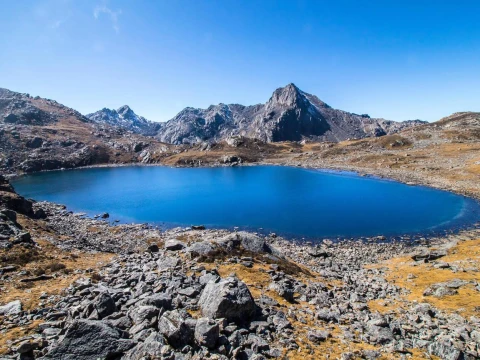
The Langtang Gosaikunda Trek is one of Nepal’s most scenic and culturally rich trekking routes. Starting from Kathmandu, the trek passes through lush green forests, traditional Tamang villages, terraced farmlands, and alpine landscapes. Trekkers experience a gradual ascent through the Langtang Valley, visiting iconic sites such as Langtang Village, Kyanjin Gompa, and eventually reaching the sacred Gosaikunda Lake. This route offers spectacular views of snow-capped peaks like Langtang Lirung (7,234m) and Ganesh Himal, along with glacial lakes, rhododendron forests, and diverse wildlife.The trek also provides an opportunity to immerse oneself in local culture. The villages along the way are predominantly inhabited by the Tamang and Sherpa communities, who warmly welcome visitors and share their traditions, monasteries, and festivals. Highlights of the trek include the day hike to Tserko Ri for panoramic Himalayan views, exploring Kyanjin Gompa, and experiencing the serene beauty of Gosaikunda Lake, which holds religious significance for both Hindus and Buddhists. Overall, this trek combines adventure, natural beauty, and cultural richness in a single itinerary, making it ideal for both first-time and experienced trekkers.Visit Langtang Village, Kyanjin Gompa, and Gosaikunda LakePanoramic views from Tserko Ri (5,000m)Traditional Tamang and Sherpa cultureDense rhododendron and pine forestsBest Season for Langtang Gosaikunda TrekThe Langtang Gosaikunda Trek can be done year-round, but the best seasons are pre-monsoon (March to May) and post-monsoon (late September to November). During these periods, the weather is clear, trails are safer, and the visibility of the Himalayan peaks is at its best. In spring, the valleys and hillsides bloom with vibrant rhododendrons, while autumn offers golden landscapes and stable weather for trekking and photography.Winter trekking (December to February) is possible but requires proper preparation as temperatures can drop well below freezing, especially at high-altitude destinations like Gosaikunda Lake. The monsoon season (June to August) is less recommended due to heavy rainfall, slippery trails, and landslide risks. Proper planning according to the season ensures a safer and more enjoyable trekking experience.Best Seasons:Spring (March–May) – Rhododendron blooms, moderate weatherAutumn (Late September–November) – Clear skies, excellent mountain viewsWinter (December–February) – Cold but fewer crowdsLangtang Gosaikunda Trek Difficulty and TransportationThe trek is categorised as moderate to challenging, making it suitable for trekkers with some experience in high-altitude hiking. Daily trekking duration ranges from 4 to 7 hours, with gradual ascents and occasional steep climbs, especially near Kyanjin Gompa, Tserko Ri, and Gosaikunda Lake. Proper acclimatisation is crucial to avoid altitude sickness. The trek combines rugged trails, stone paths, suspension bridges, and river crossings, offering an adventurous experience.Transportation to and from the trek is convenient. Most trekkers start with a drive from Kathmandu to Syabrubesi, which takes approximately 7–8 hours via a scenic hilly road. On return, trekkers drive back from Dhunche to Kathmandu, making it accessible without the need for domestic flights. For trekkers seeking more comfort, Cross Border Travel & Tours arranges private vehicles and trained guides for smooth transfers.Difficulty & Transportation:Moderate to challenging trek with high-altitude sectionsDaily trekking: 4–7 hoursRoad access: Kathmandu ↔ Syabrubesi / DhuncheAltitude ranges: 1,300m to 4,380mFood and Accommodation for Langtang Gosaikunda TrekAccommodation along the Langtang Gosaikunda route primarily consists of tea houses and lodges, offering basic but comfortable rooms with shared or private bathrooms. In higher altitudes such as Kyanjin Gompa and near Gosaikunda Lake, lodges are simpler and may have limited hot water, but they provide a cozy atmosphere and local hospitality. Staying in these lodges allows trekkers to rest and interact with local communities.Food on the trek ranges from traditional Nepali meals such as dal bhat (lentil rice), momo (dumplings), and noodles, to lighter snacks like biscuits and energy bars. Most lodges also offer tea, coffee, and other hot beverages to help combat the cold. Cross Border Travel & Tours ensures that trekkers are provided with safe, hygienic, and nutritious meals throughout the journey, making the trekking experience both enjoyable and energy-sustaining.Food & Accommodation:Tea houses and lodges along the routeHot meals: Dal bhat, momo, soups, noodlesSimple lodging at higher altitudesWarm beverages available throughout the trekLangtang Gosaikunda Trek PermitsTo trek in Langtang and Gosaikunda, trekkers are required to obtain specific permits. The main permits include:Langtang National Park Entry Permit (TIMS card): Ensures park conservation and covers trekking within the Langtang National Park region.Gosaikunda Special Permit: Required for trekking to the Gosaikunda area above 3,000m.Cross Border Travel & Tours assists trekkers with all necessary permits, ensuring a hassle-free start to the trek. Carrying the correct permits is mandatory for park authorities and provides access to lodges, trails, and local guides, making it both a legal and safety requirement.Required Permits:TIMS Card (Trekkers’ Information Management System)Langtang National Park Entry PermitSpecial Gosaikunda PermitWhy Choose Langtang Gosaikunda TrekChoosing the Langtang Gosaikunda Trek with Cross Border Travel & Tours guarantees a well-organised, safe, and culturally immersive adventure. The trek offers a unique combination of alpine scenery, traditional villages, sacred lakes, and breathtaking mountain panoramas. With experienced guides, comfortable accommodations, and thorough support for permits and logistics, trekkers can focus entirely on enjoying the journey without worrying about planning or safety.Additionally, the route is less crowded than popular treks like Annapurna or Everest Base Camp, providing a more serene and personal experience. Cross Border Travel & Tours emphasises sustainable and responsible tourism, ensuring trekkers experience authentic Nepali culture while supporting local communities along the way.Reasons to Choose:Expert guides and well-organised logisticsScenic trails and panoramic Himalayan viewsCultural immersion with the Tamang and Sherpa communitiesSafe and sustainable trekking experience


 (2)
(2)  100% recommend (0)
 (0)
(0)