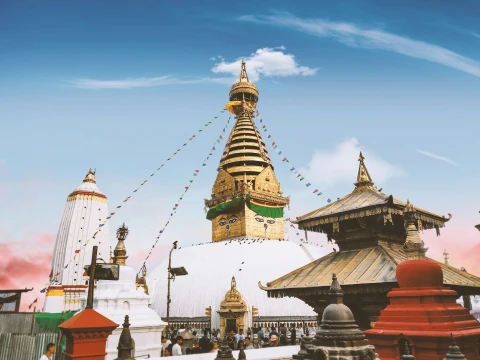
The Buddhist Pilgrimage Tour in Nepal offered by Cross Border Travel & Tours is a spiritual journey through some of the most sacred sites in the Himalayan kingdom. This tour combines cultural immersion, meditation, and scenic landscapes. Starting in Kathmandu, travellers visit world-famous Buddhist monasteries, stupas, and temples, including Boudhanath Stupa, Kapan Monastery, and Swayambhunath Stupa, each carrying deep historical and spiritual significance. The journey continues to Pokhara, home to serene lakes, the World Peace Pagoda, and Tibetan refugee settlements, offering insights into modern Buddhist communities. The pilgrimage concludes in Lumbini, the birthplace of Lord Buddha, where visitors can explore the sacred garden, monastic zones, and international temples built by Buddhist communities from across the globe.This tour is ideal for both first-time visitors to Nepal and experienced pilgrims. It blends spiritual learning with natural beauty, giving travellers a sense of inner peace while also offering opportunities to witness the Himalayan culture and lifestyle. The itinerary has been thoughtfully designed to balance temple visits, sightseeing, and quiet reflection. Highlights include:Kathmandu: Boudhanath, Kapan Monastery, SwayambhunathPokhara: World Peace Pagoda, Malepatan Gumba, Tibetan Refugee CampLumbini: Maya Devi Temple, Monastic Zone, Sacred GardenBest Season for Buddhist Pilgrimage Tour in NepalThe ideal time for a Buddhist pilgrimage in Nepal is autumn (September to November) and spring (March to May). During these months, the weather is clear, temperatures are moderate, and the visibility of the Himalayan peaks is excellent. Autumn offers festive energy with cultural events and vibrant landscapes, while spring presents blooming rhododendrons and fresh greenery around the monasteries.Winter (December to February) can be chilly, especially in high-altitude areas like Pokhara, whereas the monsoon season (June to August) brings heavy rainfall, slippery roads, and potential delays. Choosing the right season ensures a comfortable journey and a better spiritual experience without weather-related interruptions.Season Highlights:Autumn: Clear skies, festivals, pleasant temperaturesSpring: Blooming landscapes, fresh air, mild weatherAvoid Monsoon: Slippery roads and heavy rainsBuddhist Pilgrimage Tour in Nepal: Difficulty and TransportationThe pilgrimage is moderate in difficulty. Most sightseeing is done by car or short walks around religious sites. Kathmandu and Lumbini are mostly urban and flat, while Pokhara has mild hills for trekking to pagodas and monasteries. Pilgrims should be prepared for short hikes, some uneven terrain, and occasional stairs in monasteries.Transportation is mainly via private vehicle arranged by Cross Border Travel & Tours. This ensures a safe, comfortable journey between cities. Internal flights can be added if travellers prefer to reduce road travel times, especially from Pokhara to Lumbini or vice versa.Transportation Tips:Private car with driver for city-to-city transfersShort walking and trekking in monasteries and pagodasOptional internal flights for longer distancesFood and Accommodation for Buddhist Pilgrimage Tour in NepalMeals during the pilgrimage focus on Nepali and vegetarian-friendly cuisine, respecting Buddhist dietary practices where possible. Travellers can enjoy local specialties such as momo (dumplings), dal bhat (lentil rice), and thukpa (noodle soup). Hotels are carefully selected by Cross Border Travel & Tours to ensure comfort, cleanliness, and proximity to pilgrimage sites.Accommodation ranges from 3-star to boutique hotels near key locations. In Lumbini, stays are within walking distance of the Maya Devi Temple, allowing pilgrims to visit the sacred site early in the morning before the crowds arrive.Food and Stay Highlights:Vegetarian-friendly Nepali cuisineHotels close to pilgrimage sitesClean, comfortable, and culturally authentic lodgingBuddhist Pilgrimage Tour in Nepal PermitsNo special permits are required for most pilgrimage sites in Nepal. However, travellers visiting Lumbini may need entry tickets for the Maya Devi Temple and monastic zones. It is advisable to carry identification (passport) for ticketing purposes. Cross Border Travel & Tours handles all local arrangements, including tickets and entry permissions, ensuring a smooth, hassle-free journey.Permit Highlights:Maya Devi Temple ticket in LumbiniNo permits needed for Kathmandu and Pokhara sitesPassport recommended for verificationWhy Choose Buddhist Pilgrimage Tour in NepalChoosing Cross Border Travel & Tours ensures a spiritually enriching experience without the stress of logistics. Their expert guides provide deep insights into Buddhist history, meditation practices, and the significance of each site. The tours are carefully curated to balance reflection, exploration, and comfort, making them suitable for all ages.The combination of historical sites, scenic landscapes, and cultural immersion allows travellers to experience Buddhism holistically. Pilgrims can meditate in monasteries, witness traditional rituals, and interact with local monks, creating unforgettable spiritual memories.Reasons to Choose:Expert guidance on Buddhist heritageComfortable travel and accommodationBalanced itinerary combining spirituality, culture, and nature
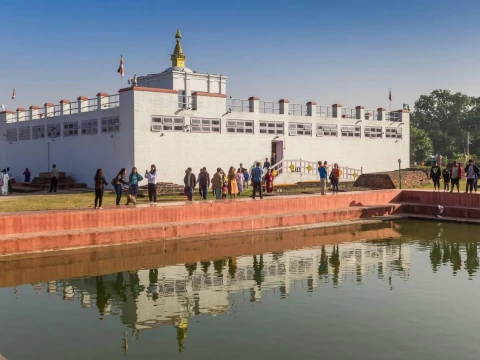
The Kathmandu Pokhara Lumbini Tour is an immersive journey into the cultural, spiritual, and natural wonders of Nepal. Starting in Kathmandu, Nepal’s vibrant capital, you’ll explore ancient temples, palaces, and UNESCO World Heritage Sites that showcase centuries of history. From the bustling streets of Thamel to the serene courtyards of Pashupatinath and Boudhanath, Kathmandu offers a mix of spirituality and urban charm.Next, you’ll drive to Pokhara, Nepal’s most picturesque city, renowned for its tranquil lakes, breathtaking mountain views, and adventure activities. Highlights include a sunrise view from Sarangkot, boat rides on Phewa Lake, and visits to the mesmerizing Davis Falls and Gupteshwor Cave. Pokhara is perfect for relaxation while experiencing the natural beauty of the Annapurna range.Finally, the journey culminates in Lumbini, the sacred birthplace of Lord Buddha. Here, travelers witness a serene landscape filled with monasteries, the Maya Devi Temple, and the sacred Bodhi tree. This spiritual stop provides a tranquil experience, reflecting Nepal’s deep-rooted Buddhist heritage.Kathmandu: Durbar Square, Swayambhunath, BoudhanathPokhara: Sarangkot sunrise, Phewa Lake, Devi’s FallsLumbini: Maya Devi Temple, Ashokan Pillar, Monastic ZoneBest Season for Kathmandu Pokhara Lumbini TourThe ideal time to visit Nepal for this tour is spring (March to May) and autumn (September to November). During these months, the weather is clear, temperatures are pleasant, and the skies offer spectacular mountain views. Spring brings blooming rhododendrons, while autumn provides crisp air and festive celebrations.Winter (December to February) is also suitable, especially for those seeking fewer crowds, though mornings can be chilly. Monsoon season (June to August) is less recommended due to heavy rainfall, landslides, and limited mountain visibility.Seasonal Tips:Spring: Rhododendron blooms, moderate climateAutumn: Clear skies, perfect for photographyWinter: Quiet and peaceful, pack warm clothesMonsoon: Avoid heavy trekking, potential travel delaysKathmandu Pokhara Lumbini Tour Difficulty and TransportationThis tour is considered moderate in difficulty. Most of the travel involves comfortable road drives between Kathmandu, Pokhara, and Lumbini. Sightseeing in cities involves walking around heritage sites, lakesides, and temples, which requires light physical activity. There are no strenuous treks involved, making it suitable for travelers of all ages.Transportation is arranged by Cross Border Travel & Tours with private vehicles for road journeys and optional domestic flights for faster travel. Roads are generally in good condition, but occasional mountainous terrain may require careful driving.Transportation & Difficulty Highlights:Private car/van for intercity travelShort walks at heritage and cultural sitesSunrise viewpoints involve gentle uphill walksEasy access for families and seniorsFood and Accommodation for Kathmandu Pokhara Lumbini TourNepal offers a rich culinary experience, blending Himalayan flavors with Indian and Tibetan influences. Travelers will enjoy traditional Nepali dishes such as dal bhat, momo (dumplings), and thukpa (noodle soup), along with international cuisine in hotels and cafés. Cross Border Travel & Tours ensures food hygiene and offers options for vegetarians, vegans, and other dietary preferences.Accommodation throughout the tour is carefully selected, ranging from 3-star to 4-star hotels that provide comfort, safety, and scenic views. In Kathmandu, hotels are often located near Durbar Square and Thamel, in Pokhara near the lakeside, and in Lumbini close to the monastic zones, offering easy access to main attractions.Food & Stay Highlights:Nepali traditional cuisine with international optionsComfortable hotels with modern amenitiesLakeside and heritage-area accommodations24/7 customer support for travelersKathmandu Pokhara Lumbini Tour PermitsNepal generally does not require special permits for visiting Kathmandu, Pokhara, or Lumbini for tourists. However, visiting certain UNESCO heritage sites may involve nominal entrance fees. For example:Kathmandu Durbar Square: entrance feeSwayambhunath and Boudhanath: small donation for maintenanceLumbini Monastic Zone: visitor registration feePermit Highlights:Minimal costs, mostly entrance feesRequired only for protected monuments and religious sitesHandled seamlessly by Cross Border Travel & ToursWhy Choose Kathmandu Pokhara Lumbini TourChoosing this tour with Cross Border Travel & Tours ensures a smooth and memorable journey. The company specializes in crafting culturally immersive itineraries, providing experienced guides, safe transportation, and curated experiences tailored to travelers’ preferences. From scenic drives to spiritual visits, every moment is organized with comfort and authenticity in mind.This tour offers a perfect mix of culture, adventure, and spirituality, ideal for first-time visitors and repeat travelers alike. With attention to detail, knowledgeable guides, and seamless logistics, it’s a hassle-free way to explore the heart of Nepal.Why Choose Highlights:Expert local guides for cultural and historical insightsComfortable transportation and accommodationPersonalized itinerary with flexibilityTrusted and professional service for a safe experience
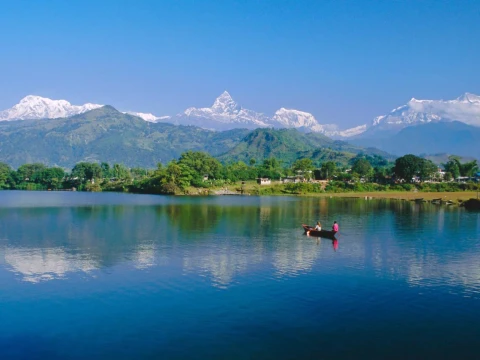
The Kathmandu Pokhara Chitwan Tour by Cross Border Travel & Tours is a perfect blend of cultural exploration, natural beauty, and wildlife adventure. The journey begins in Kathmandu, the vibrant capital of Nepal, renowned for its ancient temples, palaces, and UNESCO World Heritage Sites. Visitors will explore iconic landmarks like Swayambhunath Stupa, Pashupatinath Temple, and the historic squares of Durbar Square, immersing themselves in the rich history and spirituality of Nepal.After soaking in the culture, the tour continues with a scenic drive to Pokhara, a tranquil city nestled beside Phewa Lake and surrounded by the majestic Himalayas. Pokhara offers breathtaking sunrise views from Sarangkot, boating on the serene lake, and visits to the Devi’s Fall and Gupteshwor Cave. The final leg of the journey takes travelers to Chitwan National Park, where they experience the thrill of jungle safaris, elephant rides, canoeing, and wildlife spotting, including rhinos, deer, and various bird species. The tour concludes back in Kathmandu, offering a memorable and well-rounded Nepalese adventure.Explore Kathmandu’s UNESCO heritage sitesScenic drive to Pokhara with Himalayan vistasSunrise at Sarangkot and lakeside leisure in PokharaJungle safari and wildlife experiences in ChitwanBest Season for Kathmandu Pokhara Chitwan TourThe ideal time to embark on this tour is during the autumn (September to November) and spring (March to May) seasons. During these months, the weather is clear and pleasant, providing excellent visibility of the snow-capped Himalayan peaks, perfect for photography and sightseeing. Autumn brings festivals and a vibrant atmosphere in Kathmandu, while spring showcases blooming rhododendrons and lush greenery along the roads and trails.Monsoon season (June to August) is less suitable due to heavy rains that can affect road travel and jungle activities. Winter (December to February) is cooler, especially in the mountains, which may not be ideal for all travelers but can offer a peaceful, less crowded experience.Season Tips:Autumn: Clear skies and festive atmosphereSpring: Blossoming flowers and moderate temperaturesAvoid the monsoon for road safety and outdoor activitiesKathmandu Pokhara Chitwan Tour Difficulty and TransportationThis tour is suitable for all age groups with a moderate activity level. The journey involves mainly sightseeing, light walking, nature walks, and short hikes, making it accessible even for families and senior travelers. There are no extreme physical demands or high-altitude trekking involved.Transportation is managed via comfortable private vehicles by Cross Border Travel & Tours, ensuring safe and scenic drives between Kathmandu, Pokhara, and Chitwan. Flights can be arranged as an option between Kathmandu and Pokhara for those who prefer to save travel time. Local transportation in cities includes guided tours with organized transfers to major sites.Travel Info:Comfortable private car/van transfersOptional domestic flights Kathmandu ↔ PokharaShort walks and nature trails includedFood and Accommodation for Kathmandu Pokhara Chitwan TourDuring the tour, travelers enjoy a mix of local Nepali cuisine and international dishes at hotels and restaurants chosen for comfort and hygiene. Popular dishes include dal bhat, momo, and fresh river fish in Pokhara. Vegetarian and special dietary preferences can be accommodated upon request.Accommodation ranges from 3-star to boutique hotels, carefully selected by Cross Border Travel & Tours for convenience and comfort. In Kathmandu, hotels are centrally located near heritage sites, while Pokhara offers lakeside resorts with stunning mountain views. Chitwan stays are often near the national park with safari access, providing a balance of comfort and immersive nature experiences.Food & Stay Highlights:Safe, clean, and comfortable hotelsLakeside resorts in PokharaNepali and international cuisine optionsPersonalized dietary accommodationsKathmandu Pokhara Chitwan Tour PermitsMost areas on this tour do not require special permits, but Chitwan National Park requires entry permits, which Cross Border Travel & Tours arranges for travelers in advance. The permits ensure access to wildlife zones, safaris, and guided jungle activities. Additionally, a small fee for park conservation supports wildlife preservation. Travelers are advised to carry a valid identification, usually a passport, during the permit process.Permit Info:Chitwan National Park entry permit includedJungle safari and canoeing are authorized with a permitID required for all travelersWhy Choose Kathmandu Pokhara Chitwan TourChoosing the Kathmandu Pokhara Chitwan Tour with Cross Border Travel & Tours ensures a well-organized, hassle-free, and culturally rich experience. The company provides professional guides, comfortable transport, handpicked accommodations, and a carefully planned itinerary that balances sightseeing, adventure, and relaxation. Travelers can enjoy the best of Nepal in just 8 days without worrying about logistics.This tour is ideal for first-time visitors, families, and anyone seeking a diverse experience of Nepal, from heritage sites to Himalayan vistas and jungle wildlife. The combination of safety, local expertise, and personalized service makes this tour a memorable journey of Nepalese culture, nature, and adventure.Key Advantages:Expert local guides and curated itineraryComfortable transport and accommodationA combination of culture, nature, and wildlifeMemorable and stress-free travel experience
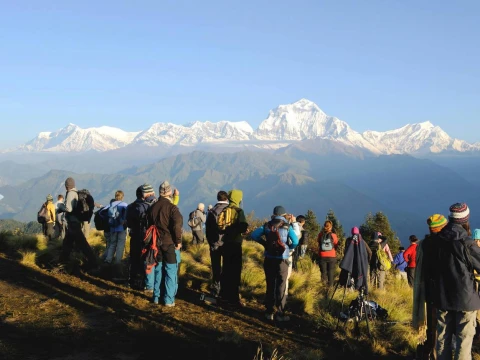
The Ghorepani Poon Hill Trek is one of Nepal’s most popular short treks, offering spectacular views of the Annapurna and Dhaulagiri mountain ranges. This trek takes you through lush rhododendron forests, traditional Gurung and Magar villages, terraced fields, and charming hilltop settlements. Starting from Nayapul, trekkers gradually ascend through Tikhedhunga and Ulleri, which is famous for its long stairway climb, before reaching Ghorepani. Ghorepani is a peaceful village at around 2,850 meters, offering a gateway to the iconic Poon Hill viewpoint.Poon Hill is the highlight of the trek, where sunrise views over the snow-capped peaks such as Annapurna South, Machapuchare (Fishtail), Dhaulagiri, and Hiunchuli leave trekkers in awe. The trek is ideal for nature lovers, photographers, and those seeking a relatively accessible Himalayan experience without high-altitude challenges. Cross Border Travel & Tours ensures a well-organized itinerary, guiding trekkers safely while allowing immersive cultural experiences in local villages.Panoramic sunrise at Poon HillVillages: Ulleri, Ghorepani, GhandrukRich rhododendron forestsCultural interaction with local Gurung communitiesBest Season for Ghorepani Poon Hill TrekkingThe best time to undertake the Ghorepani Poon Hill Trek is during the pre-monsoon (spring) and post-monsoon (autumn) seasons. From March to May, rhododendrons are in full bloom, painting the hillsides with vibrant red and pink hues. This season offers mild temperatures, clear skies, and excellent visibility of the Annapurna range. Autumn, from late September to November, provides stable weather, crisp air, and breathtaking mountain vistas, making it the most popular trekking season.Winter treks are possible but involve colder temperatures, especially at Ghorepani and Poon Hill, and may include snow on higher trails. Monsoon season (June to August) is generally avoided due to heavy rainfall, slippery trails, and leeches in forested areas. Cross Border Travel & Tours carefully schedules treks in these optimal periods to ensure safety, comfort, and maximum scenic enjoyment.Seasonal Recommendations:Spring (March–May): Rhododendron bloom, mild weatherAutumn (September–November): Clear skies, panoramic mountain viewsWinter (December–February): Cold but fewer touristsMonsoon (June–August): Not recommendedGhorepani Poon Hill Trekking Difficulty and TransportationThe Ghorepani Poon Hill Trek is categorized as an easy to moderate trek, suitable for beginners with a reasonable level of fitness. The trek involves gradual ascents and descents, with the most strenuous part being the Ulleri staircase climb (over 3,000 steps). Trekkers should be prepared for 4–6 hours of walking per day, occasionally on steep or uneven paths. At an altitude of 2,850 meters in Ghorepani, altitude sickness is rare but possible for sensitive trekkers.Transportation for the trek typically begins with a scenic drive from Kathmandu to Pokhara, followed by another drive from Pokhara to Nayapul, the trekking starting point. Cross Border Travel & Tours provides comfortable and safe transport, ensuring smooth transfers between destinations. Local buses, jeeps, or private vehicles are commonly used, and trekking is done on foot, allowing intimate access to villages and natural landscapes.Key Points:Difficulty: Easy to moderate, suitable for beginnersMaximum elevation: 2,850m at GhorepaniAverage trek duration: 4–6 hours/dayTransportation: Kathmandu ↔ Pokhara ↔ NayapulFood and Accommodation for Ghorepani Poon Hill TrekkingThe Ghorepani Poon Hill Trek offers a wide range of food and lodging options, primarily in teahouses along the trail. Trekkers can enjoy traditional Nepali meals such as dal bhat (lentil rice), momo (dumplings), vegetable curry, and soups, along with continental options like pasta and bread. Hot beverages like tea, coffee, and chocolate are readily available, which are perfect after a long day of trekking.Accommodation is generally in simple teahouses, providing basic amenities such as warm blankets, clean bedding, and shared bathrooms. In higher settlements like Ghorepani and Ghandruk, some teahouses offer private rooms. Cross Border Travel & Tours partners with trusted teahouses to ensure safety, cleanliness, and comfort, enhancing the trekking experience while supporting local communities.Food & Accommodation Highlights:Local Nepali meals: Dal Bhat, MomosSnacks and hot drinks availableTeahouse accommodation: Basic, cozy, and culturalSome private rooms in Ghorepani and GhandrukGhorepani Poon Hill Trekking PermitsAll trekkers in the Ghorepani Poon Hill region are required to have the Annapurna Conservation Area Permit (ACAP) and a Trekkers’ Information Management System (TIMS) card. The ACAP permit helps fund conservation projects and community development in the Annapurna region, while the TIMS card ensures safety and tracking of trekkers. These permits are mandatory for both solo and guided treks and are easily obtainable in Kathmandu or Pokhara.Cross Border Travel & Tours assists trekkers in acquiring the necessary permits before the trek, streamlining the process and ensuring compliance with local regulations. Carrying proper identification, passport-sized photos, and the required fees is essential for permit approval. Proper permits not only support sustainable tourism but also guarantee legal access to trekking trails.Permit Details:ACAP: Required for the Annapurna regionTIMS: Trekker registration for safetyLocation: Kathmandu or Pokhara officesAssistance: Provided by Cross Border Travel & ToursWhy Choose Ghorepani Poon Hill TrekkingThe Ghorepani Poon Hill Trek is ideal for travelers seeking a compact, scenic Himalayan experience. It combines natural beauty, cultural immersion, and manageable trekking challenges in a well-organized package. The sunrise view from Poon Hill is an unforgettable highlight, complemented by charming villages, terraced fields, and diverse flora and fauna along the trail.Choosing Cross Border Travel & Tours ensures professional guidance, secure transport, and well-coordinated logistics. Their experienced trekking guides offer insight into local culture, flora, and fauna, enhancing the overall adventure. The company prioritizes safety, comfort, and sustainability, making the Ghorepani Poon Hill Trek an enriching and hassle-free experience for all trekkers, whether beginners or seasoned hikers.Reasons to Choose This Trek:Accessible short trek with stunning mountain viewsCultural interaction with the Gurung and Magar communitiesExperienced guides and organized logisticsSafe, comfortable, and memorable trekking experience
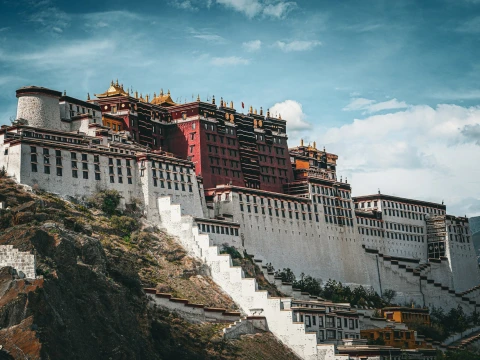
The Tibet Lhasa Tour is a remarkable cultural and spiritual journey that combines the ancient heritage of Nepal with the mystical charm of Tibet. Beginning in Kathmandu, the tour allows travelers to explore UNESCO World Heritage Sites before flying across the Himalayas to Lhasa. This itinerary offers a perfect blend of historical exploration, religious insight, and breathtaking landscapes.During the tour, visitors will experience iconic landmarks such as Potala Palace, once the residence of the Dalai Lama, and Jokhang Temple, the spiritual heart of Tibetan Buddhism. The journey also includes visits to ancient monasteries and vibrant local markets, providing a deeper understanding of Tibetan culture and daily life.Scenic Himalayan flight from Kathmandu to LhasaExploration of UNESCO heritage sites in Kathmandu ValleyVisits to monasteries like Drepung and SeraCultural immersion in Tibetan traditionsBest Season for Tibet Lhasa TourThe best time to undertake the Tibet Lhasa Tour is during spring (April to June) and autumn (September to November). During these months, the weather is generally clear, offering stunning views of the Himalayan ranges and comfortable temperatures for sightseeing. The skies remain bright, making it ideal for photography and outdoor exploration.Summer (July and August) is also a popular season despite occasional rainfall in Kathmandu, as Lhasa experiences mild weather. Winter (December to February), on the other hand, is colder but offers fewer crowds and a unique, peaceful travel experience. Travelers who can tolerate lower temperatures may find winter to be equally rewarding.Best Seasons:Spring: Clear skies and blooming landscapesAutumn: Stable weather and excellent visibilityWinter: Less crowded and budget-friendlySummer: Mild climate in LhasaTibet Lhasa Tour Difficulty and TransportationThis tour is considered relatively easy to moderate in terms of difficulty. While Lhasa is located at a high altitude (around 3,650 meters), the itinerary is designed to allow gradual acclimatization. Most activities involve sightseeing rather than strenuous trekking, making it suitable for a wide range of travelers.Transportation is convenient and comfortable throughout the journey. The highlight is the scenic flight between Kathmandu and Lhasa, offering panoramic views of the Himalayas, including Mount Everest. In Tibet, transportation is typically arranged via private vehicles with experienced drivers and guides.Key Points:Easy to moderate difficulty levelSuitable for beginners and cultural travelersScenic flights and private transportGradual acclimatization in LhasaFood and Accommodation for Tibet Lhasa TourTravelers can expect a mix of Nepali, Tibetan, and international cuisines throughout the tour. In Kathmandu, numerous restaurants are offering diverse dining options, while in Lhasa, meals often include traditional Tibetan dishes such as momos, noodles, and yak-based specialties. Vegetarian options are also widely available.Accommodation during the tour typically includes comfortable hotels ranging from 3-star to 4-star categories. In Kathmandu, guests stay in well-equipped hotels, while in Lhasa, accommodations are chosen for comfort and proximity to major attractions.What to Expect:Variety of cuisines (Nepali, Tibetan, continental)Comfortable hotel staysHygienic and tourist-friendly restaurantsAvailability of vegetarian mealsTibet Lhasa Tour PermitsTraveling to Tibet requires special permits, and Cross Border Travel & Tours takes care of all necessary arrangements. The most important document is the Tibet Travel Permit, which is mandatory for all foreign travelers entering Tibet.In addition to the main permit, other documents such as the Chinese visa and local travel permits may be required depending on the itinerary. The process is handled professionally to ensure a smooth and hassle-free experience for travelers.Permit Requirements:Tibet Travel Permit (mandatory)Chinese visaAdditional local permits (if needed)Passport validity requirementsWhy Choose Tibet Lhasa TourChoosing the Tibet Lhasa Tour with Cross Border Travel & Tours ensures a well-organized and enriching travel experience. The company specializes in cross-border tours between Nepal and Tibet, offering expert guidance, reliable services, and personalized itineraries.With experienced guides, comfortable transportation, and attention to detail, travelers can focus entirely on enjoying their journey. The company’s commitment to quality service and customer satisfaction makes it a trusted choice for exploring Tibet.Reasons to Choose:Experienced and professional teamHassle-free permit arrangementsComfortable and safe travel servicesDeep cultural insight and guided tours
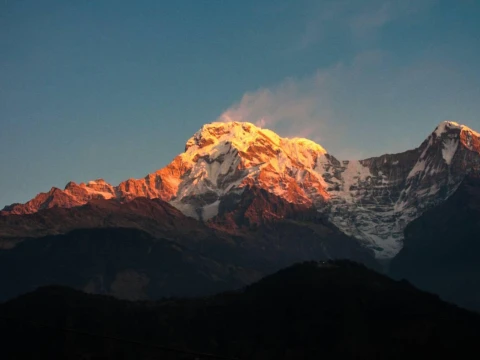
The Mardi Himal Trek, organized by Cross Border Travel & Tours, is a breathtaking Himalayan adventure that takes you through diverse landscapes, from lush subtropical forests to high alpine meadows. Starting in the bustling city of Kathmandu, the trek gradually ascends through Pokhara, Kande, and the tranquil forest camps, offering panoramic views of the Annapurna range. Along the way, trekkers witness stunning vistas of Machapuchare (Fishtail), Annapurna South, and Hiunchuli.This trek is ideal for those who want to experience the Himalayas without the heavy crowds of the Annapurna Base Camp or Everest regions. Each day is carefully planned to balance trekking intensity with scenic exploration. The journey to the Mardi Himal Base Camp at 4,500 meters provides an unforgettable sunrise experience over snow-capped peaks. Cross Border Travel & Tours ensures professional guides accompany trekkers, offering local insights and cultural understanding while maintaining safety and comfort.Spectacular views of Machapuchare, Annapurna South, and HiunchuliQuiet trails through rhododendron forests and alpine landscapesOpportunity to experience local Gurung culture and hospitalitySunrise from Mardi Himal Base CampBest Season for Mardi Himal TrekThe best season for the Mardi Himal Trek is during autumn (September to November) and spring (March to May). During these months, the weather is stable, the skies are clear, and mountain visibility is at its peak. Autumn offers post-monsoon freshness with crisp air and vibrant greenery, while spring showcases colorful rhododendron blooms along the trails.Winter (December to February) brings colder temperatures and occasional snowfall, making the trek more challenging, especially at higher elevations. The summer or monsoon season (June to August) is less ideal due to heavy rainfall, slippery trails, and reduced visibility, although it can provide lush landscapes for adventurous trekkers. Cross Border Travel & Tours recommends planning your trek during peak seasons to maximize comfort, safety, and scenic beauty.Key Points:Autumn & Spring: Best for clear views and moderate weatherWinter: Cold, potential snow, fewer crowdsMonsoon: Rainy, slippery trails, limited visibilityMardi Himal Trek Difficulty and TransportationThe Mardi Himal Trek is classified as moderate difficulty, suitable for trekkers with some prior experience in mountain hiking. Daily trekking hours range from 3.5 to 6 hours, with altitudes gradually increasing to allow proper acclimatization. The route includes forested paths, steep ascents, and high-altitude meadows, requiring a reasonable level of fitness.Transportation begins in Kathmandu, where you take a scenic 6–7 hour drive to Pokhara. From Pokhara, the trailhead at Kande is accessible via a short drive. After the trek, travelers return to Pokhara before heading back to Kathmandu. Cross Border Travel & Tours provides comfortable transport options, experienced drivers, and organized transfers, ensuring a hassle-free journey to and from the trekking region.Key Points:Trek Duration: 6–7 hours maximum per dayTerrain: Moderate, with some steep and uneven pathsTransportation: Private vehicle transfers Kathmandu ↔ Pokhara ↔ TrailheadFood and Accommodation for Mardi Himal TrekAlong the Mardi Himal Trek, accommodation is mainly in tea houses and lodges, offering simple but comfortable rooms with basic amenities. The trail includes Forest Camp, High Camp, and Low Camp stops, where trekkers can rest after long hikes. Some higher-altitude lodges may provide shared bathrooms and limited hot water, but guides from Cross Border Travel & Tours help ensure a smooth experience.Meals typically include traditional Nepali dishes such as dal bhat, noodles, soups, and local vegetables. Breakfast, lunch, and dinner are available at most lodges, and vegetarian or special dietary requirements can be arranged with prior notice. Hydration is crucial at high altitude, and purified water is available at most lodges for a small fee.Key Points:Lodging: Tea houses with basic facilitiesMeals: Nepali and continental options availableHot water and Wi-Fi: Limited at higher altitudesMardi Himal Trek PermitsTo trek the Mardi Himal region, two main permits are required: the Annapurna Conservation Area Permit (ACAP) and the Trekkers’ Information Management System (TIMS) card. ACAP protects the environment of the Annapurna region, while TIMS is a registration system ensuring trekkers’ safety.Cross Border Travel & Tours handles the permit process, ensuring all documents are ready before the trek begins. Carrying permits during the trek is mandatory, as checkpoints along the route verify trekkers’ authorization. These permits also contribute to local conservation efforts and community development.Key Points:ACAP permit: Required for the Annapurna regionTIMS card: Trekker registration and safetyPermits handled by the trekking company for convenienceWhy Choose Mardi Himal TrekChoosing the Mardi Himal Trek with Cross Border Travel & Tours offers a combination of adventure, scenic beauty, and cultural immersion. Unlike more crowded trekking routes, Mardi Himal provides solitude and pristine natural landscapes. The trek is well-paced, allowing gradual acclimatization and safe exploration of high-altitude regions.Cross Border Travel & Tours provides professional guides, organized logistics, and comprehensive support throughout the journey. From comfortable transport to carefully selected lodges and authentic Nepali meals, every aspect is managed for a memorable trekking experience. Whether you are an experienced trekker or a moderately fit traveler, this trek offers a once-in-a-lifetime Himalayan adventure.Key Points:Off-the-beaten-path trekking experienceProfessional guidance and supportStunning mountain views and cultural encountersSafety-focused, well-organized trekking itinerary


 (2)
(2)  100% recommend (0)
 (0)
(0)