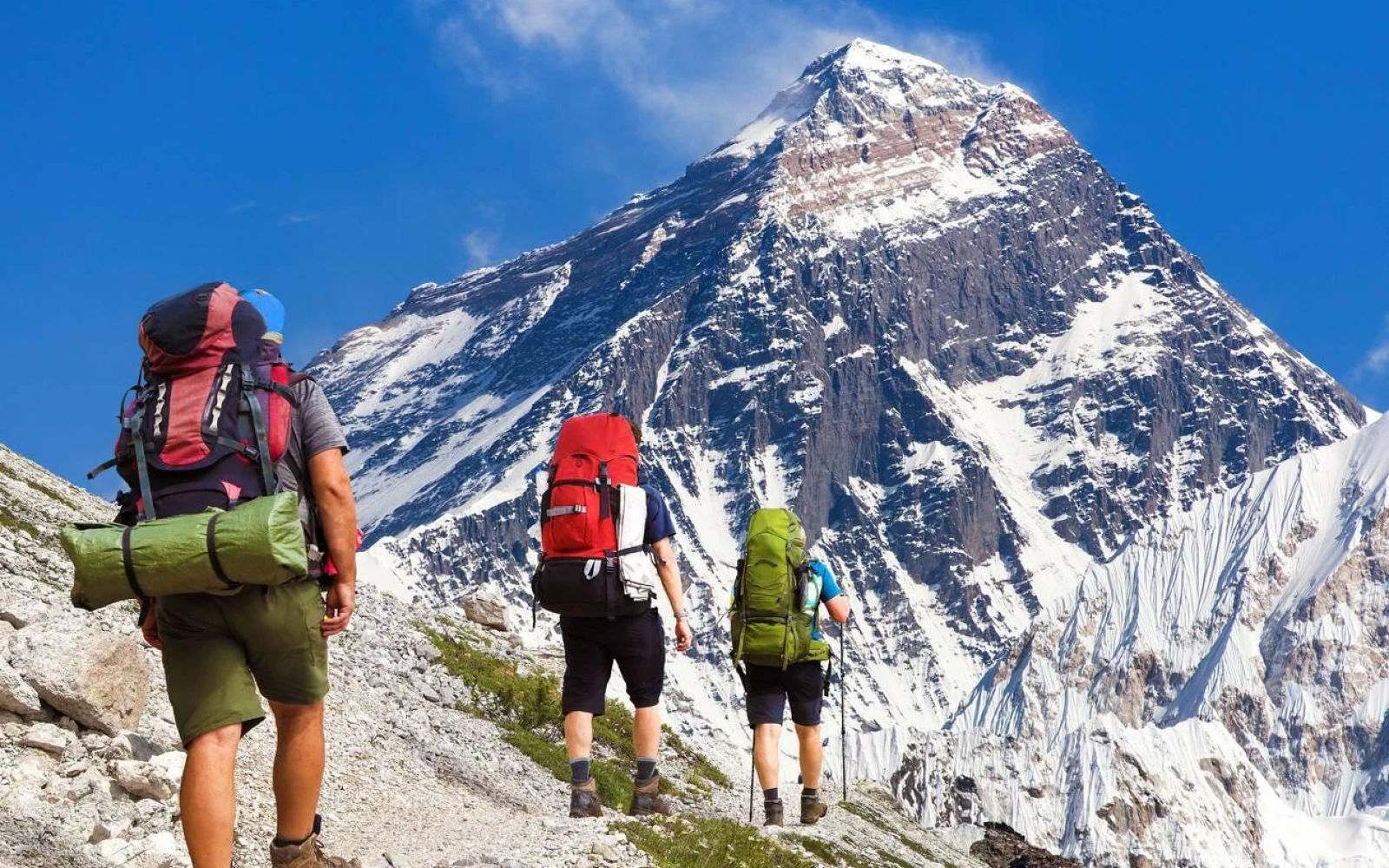
Nepal is renowned worldwide for its majestic Himalayan landscapes, but its trekking routes offer far more than breathtaking scenery. Along these trails, trekkers encounter rich cultural traditions, centuries-old architecture, vibrant festivals, and the warm hospitality of local communities. Each region in Nepal has its own distinct cultural identity, shaped by ethnic groups such as the Sherpa, Gurung, Tamang, and Thakali. Understanding these cultural highlights enhances the trekking experience, transforming a simple hike into an immersive journey into Nepal’s living heritage.
Cultural encounters on trekking routes often include visiting monasteries and temples, observing traditional farming and handicrafts, and participating in local festivals. The cultural diversity in Nepal adds depth and context to trekking, creating opportunities for travelers to connect with people and stories that have thrived in harmony with the mountains for centuries.
Nepal’s trekking culture is a unique blend of nature and human tradition. Beyond the snow-capped peaks and rugged trails, trekkers are welcomed into villages where centuries-old customs remain alive. Trekkers often stay in teahouses, share meals with local families, and witness age-old religious practices, providing a window into lifestyles that have adapted to the high-altitude environment.
Culture is as important as scenery because it enriches the journey and gives meaning to the landscapes trekkers traverse. While mountains draw visitors, the interactions with local communities create lasting memories and a deeper understanding of Nepal’s social and spiritual fabric. Trekking without experiencing local culture would be like reading a book without its illustrations—informative but missing the full picture.
Key Points:
Nepal’s trekking routes are world-renowned for their breathtaking landscapes—from towering Himalayan peaks to lush valleys. However, the cultural experiences encountered along these trails are equally compelling. Trekking in Nepal is not just about witnessing natural beauty; it is about connecting with the rich traditions, spiritual heritage, and daily lives of the local communities. Every village tells a story, and each festival, ritual, or local craft offers travelers a glimpse into the country’s centuries-old customs.
Understanding culture enhances the trekking experience by providing context to the scenery. For instance, a stupa perched on a hillside is not just a structure against the backdrop of mountains—it is a symbol of local beliefs and spiritual life. By appreciating the culture, trekkers gain a deeper connection to the people and places they visit, creating memories that go beyond the visual appeal of Nepal’s landscapes.
Highlights:
Everest Base Camp (EBC) Trek is not only an adventure to the “roof of the world” but also a journey into the heart of Sherpa culture. The Sherpa people are known for their resilience, warmth, and hospitality, welcoming trekkers into their homes and sharing stories of mountaineering legends. Visiting monasteries along the route provides insight into Tibetan Buddhist practices, prayer rituals, and the spiritual beliefs that guide daily life.
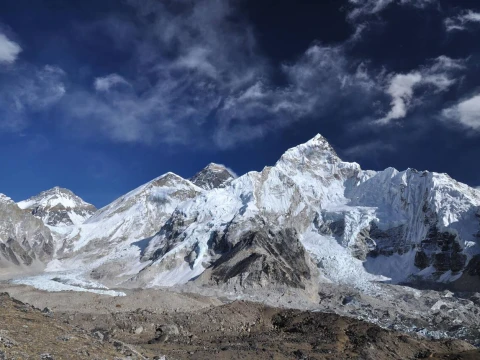
Mount Everest itself holds significant cultural and spiritual meaning. Locals call it Sagarmatha and believe it is the home of gods and spirits. Folklore, prayer flags, and ceremonial offerings reflect this reverence, making every step toward the base camp a cultural as well as a physical journey.
Highlights:
The Annapurna Base Camp (ABC) Trek is one of Nepal’s most iconic trekking routes, combining breathtaking natural landscapes with vibrant local culture. While trekkers are drawn to the snow-capped peaks and panoramic views, the cultural experiences along the trail add depth and richness to the journey. ABC passes through Gurung and Magar villages, where traditional lifestyles, warm hospitality, and centuries-old customs remain strong despite the growing influx of trekkers.
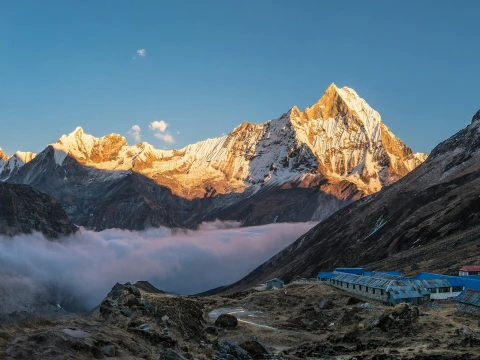
Trekking through these communities allows travelers to experience local life up close. Villagers often invite trekkers to share a meal or observe traditional rituals, giving a firsthand understanding of Himalayan living. Monasteries and small shrines dot the landscape, showcasing the spiritual practices that permeate daily life in the region. Seasonal festivals, such as Tihar and Dashain, are celebrated with music, dance, and communal feasts, offering trekkers a vibrant glimpse into Nepalese culture.
Cultural Highlights Along the Annapurna Base Camp Trek:
The Annapurna Base Camp Trek offers an immersive cultural journey where natural beauty and human heritage intertwine. Every village, festival, and meal provides a story, allowing trekkers to understand the harmony between Himalayan life and the mountains that surround it.
The Annapurna Circuit is one of Nepal’s most popular trekking routes, celebrated not only for its natural beauty but also for its cultural diversity. The trek passes through multiple ethnic communities, including Gurungs, Magars, and Thakalis, each with unique customs and lifestyles. Villages along the trail showcase traditional houses, terraced fields, and a warm hospitality that makes trekkers feel part of local life.
Religious sites such as Buddhist monasteries, Hindu temples, and sacred shrines are scattered throughout the region. Annual festivals, like Maghe Sankranti and Tihar, provide trekkers with vibrant cultural spectacles. Food is another cultural highlight, with opportunities to try local dishes such as dal bhat, momo, and gundruk. Sampling these flavors offers insights into the agricultural and culinary practices of the highlands.
Highlights:
Langtang Valley is often called the “Valley of Glaciers and Culture,” offering trekkers both natural beauty and a rich Tibetan-influenced heritage. The region’s communities maintain traditional lifestyles, and their art, prayer flags, and painted mani walls reflect Tibetan aesthetics. Music, dance, and seasonal festivals play a central role in social life, providing visitors with immersive cultural experiences.
The local markets and handicrafts also serve as a window into the valley’s artistic traditions. From handwoven rugs to intricate wood carvings, the craftsmanship represents centuries-old skills passed down through generations. Trekkers can engage with artisans, learning about techniques while purchasing unique souvenirs that support local economies.
Highlights:
The Manaslu Circuit Trek is known for its remote and less-crowded villages, where ancient customs remain largely unchanged. Trekkers encounter communities that maintain traditional farming, clothing, and festivals, offering an authentic glimpse of Himalayan life. Villagers often share folklore, rituals, and local legends that have been orally passed down for centuries.
Architecture along the route reflects both practical and spiritual considerations, with stone houses, prayer wheels, and monasteries harmoniously blending with the natural surroundings. These cultural landmarks provide insight into the values and beliefs of the highland communities, making the trek an exploration of both nature and heritage.
Highlights:
Trekking in Nepal is not only about traversing mountains but also about engaging respectfully with local communities. The highland villages you pass through are home to people with deep-rooted traditions, religious practices, and cultural values. Being mindful of etiquette ensures positive interactions, fosters mutual respect, and enriches your trekking experience. Simple gestures such as greeting villagers with a “Namaste” or following local customs in temples go a long way toward building rapport.
When visiting monasteries or temples, trekkers should dress modestly, remove shoes, and avoid touching religious artifacts. Participating in local festivals and ceremonies should be done with observation and humility rather than intrusion. Many teahouses and lodges are family-run, and showing appreciation through polite conversation or small gestures is welcomed. Understanding local etiquette is especially important in remote regions like the Manaslu or Langtang valleys, where customs have been preserved for generations.
Dos:
Don’ts:
How to Interact Respectfully:
Nepal’s trekking trails offer more than just towering peaks and spectacular landscapes; they are pathways through centuries of living culture. From the Sherpa hospitality on the Everest Base Camp Trek to Gurung traditions in the Annapurna region, every route provides an opportunity to connect with people and understand their heritage. Exploring beyond the scenery allows trekkers to appreciate the harmony between nature and human life in the Himalayas.
Choosing trekking in Nepal with Cross Border Travel & Tours means experiencing a journey where every step combines adventure, culture, and meaningful interaction. By respecting local traditions and immersing yourself in village life, you gain insights that last long after the trek is over. The blend of natural grandeur and vibrant culture makes Nepal one of the most rewarding trekking destinations in the world.
Key Takeaways:
Nepal, often referred to as the “Roof of the World,” is a land of breathtaking landscapes, rich cultural heritage, and spiritual mystique. Nestled between the towering Himalayas, it is home to some of the highest peaks on Earth, including the legendary Mount Everest. From lush valleys to serene lakes and ancient temples, Nepal offers
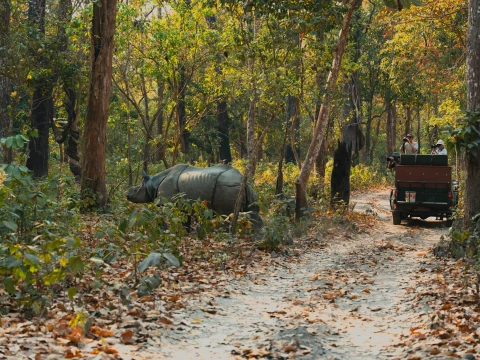
Nepal, a land of breathtaking mountains, lush forests, and winding rivers, is a haven for wildlife enthusiasts. From the majestic Bengal tiger to the elusive one-horned rhinoceros, the country’s diverse ecosystems offer a front-row seat to nature’s wonders. A wildlife tour in Nepal is more than a sightseeing trip, it’s an immersive experience


 (2)
(2)  100% recommend (0)
 (0)
(0)