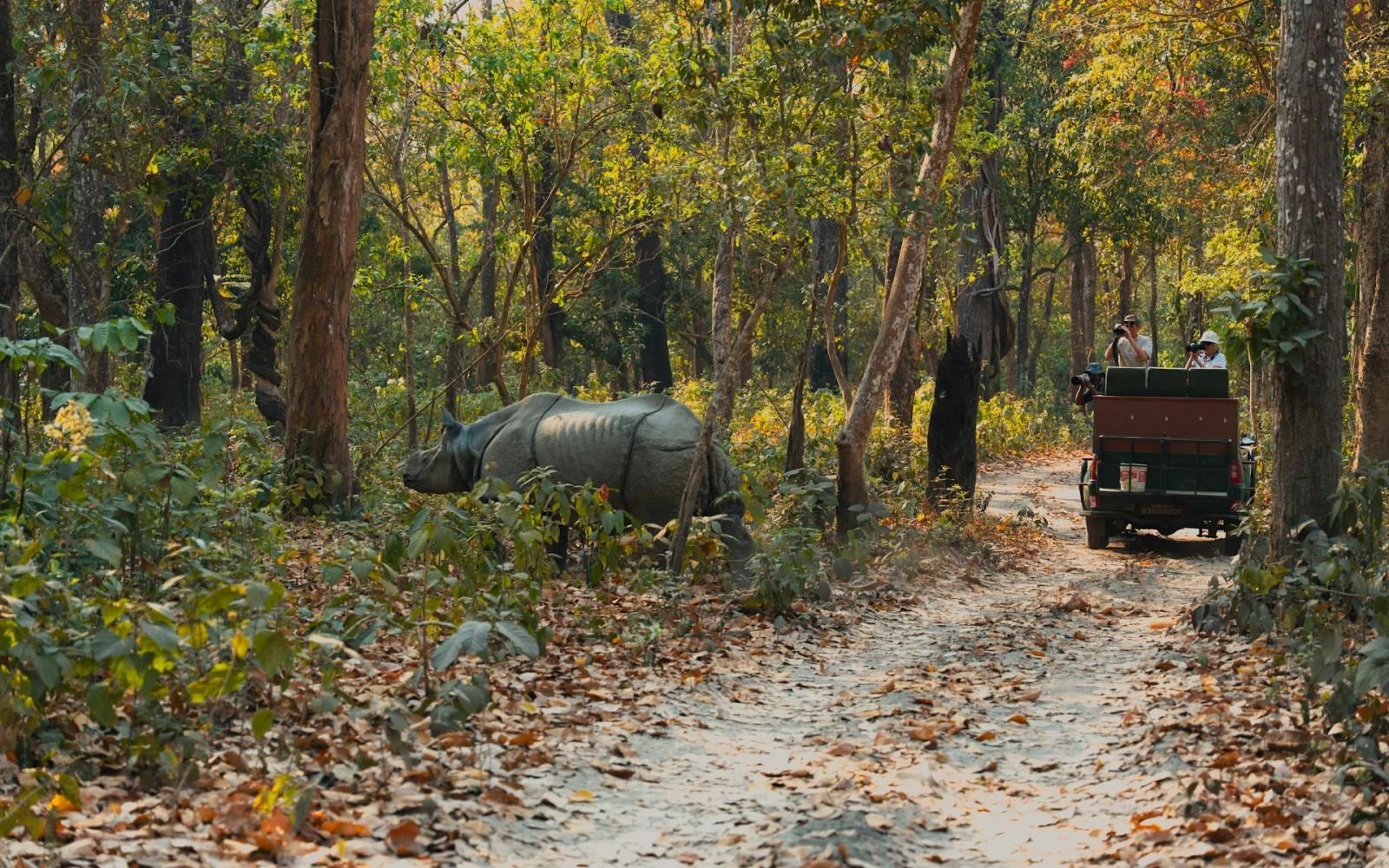
Nepal, a land of breathtaking mountains, lush forests, and winding rivers, is a haven for wildlife enthusiasts. From the majestic Bengal tiger to the elusive one-horned rhinoceros, the country’s diverse ecosystems offer a front-row seat to nature’s wonders. A wildlife tour in Nepal is more than a sightseeing trip; it’s an immersive experience where you witness rare species in their natural habitats, explore dense jungles, and discover the delicate balance of nature that thrives in this Himalayan paradise.
Traveling with Cross Border Travel & Tours ensures a seamless and responsible wildlife adventure. Their experienced guides not only lead you safely through national parks like Chitwan, Bardia, and Koshi Tappu but also share fascinating insights about flora, fauna, and conservation efforts. Whether it’s a jeep safari, canoe ride, or guided nature walk, every moment connects you to the essence of Nepal’s natural beauty.
Why Nepal is a Wildlife Enthusiast’s Paradise
Nepal’s geographical diversity, from lowland Terai plains to alpine highlands, creates habitats for an astonishing variety of wildlife. Over 900 bird species and hundreds of mammals, reptiles, and amphibians make Nepal a must-visit destination for naturalists and wildlife photographers. The country’s national parks are not only home to iconic animals but also preserve the rich cultural traditions of indigenous communities living alongside nature.
Visitors can witness incredible wildlife up close while exploring protected areas that maintain their pristine beauty. The country’s commitment to conservation ensures that tourists experience authentic encounters without disrupting the delicate ecosystem. With Cross Border Travel & Tours, travelers enjoy carefully curated itineraries that balance adventure, comfort, and environmental responsibility.
The Allure of Nepal’s Untouched Natural Landscapes
Nepal’s landscapes are as varied as its wildlife. Dense sal forests, grasslands, and wetlands in the Terai contrast beautifully with the rugged Himalayan terrain. Mist-covered mountains, sparkling rivers, and serene lakes provide a scenic backdrop for spotting wildlife. These landscapes aren’t just visually stunning; they are ecosystems supporting some of the rarest species on Earth.
Travelers experience a sense of discovery in every corner of Nepal, from quiet riverside walks in Bardia National Park to elephant-back safaris in Chitwan. The untouched nature, combined with local stories and traditional culture, makes each wildlife tour a unique journey.
Key Natural Attractions:
Best Time to Visit Nepal for Wildlife Tours
Timing is crucial for a successful wildlife adventure. The dry winter months (October to March) are ideal because animals are more active and water sources are limited, making sightings easier. The monsoon season (June to September) brings lush greenery but can make trekking and jungle safaris more challenging. Choosing the right season ensures better wildlife sightings and a more enjoyable experience overall.
Best Practices for Timing:
Choosing the Right Wildlife Tour Operator
Partnering with a trusted tour operator like Cross Border Travel & Tours makes all the difference. Experienced guides, well-planned itineraries, and sustainable practices ensure a smooth and ethical wildlife experience. Local knowledge is invaluable in spotting rare species and understanding the ecosystem, while also respecting local communities and wildlife regulations.
Tips for Selecting a Tour Operator:
Essential Gear and Preparation Tips
Packing the right gear is essential for comfort, safety, and capturing memories. Lightweight clothing, binoculars, insect repellent, and waterproof shoes are a must. Photography enthusiasts should bring cameras with zoom lenses for distant wildlife. Preparation also includes vaccinations, travel insurance, and understanding park regulations to ensure a safe and enjoyable adventure.
Essential Wildlife Tour Gear:
Nepal’s national parks are the heart of its wildlife tourism, each offering unique ecosystems, landscapes, and wildlife encounters. Visiting these parks is an adventure into Nepal’s natural wonders, where dense forests, open grasslands, and sparkling rivers create perfect habitats for rare and iconic species. Traveling with Cross Border Travel & Tours ensures you explore these parks responsibly, with expert guides who maximize wildlife sightings while preserving the fragile environment.
Chitwan National Park: The Realm of Rhinos and Tigers
Chitwan National Park, a UNESCO World Heritage Site, is one of Nepal’s most famous wildlife destinations. Known for its dense jungles, grasslands, and riverine ecosystems, it is home to the one-horned rhinoceros, Bengal tiger, and Asiatic elephant. Safari experiences include jeep rides, canoe trips along the Rapti River, and guided walking tours, making it accessible to travelers of all ages. Chitwan combines adventure with education, offering insights into wildlife conservation and local Tharu culture.

Highlights:
Bardia National Park: A Hidden Gem for Wilderness Lovers
Bardia National Park, in western Nepal, is less crowded but equally spectacular. Its dense Sal forests and open grasslands provide refuge for tigers, leopards, elephants, and wild water buffalo. Bardia is perfect for travelers seeking a more secluded and immersive jungle experience. Guided treks and jeep safaris reveal not only the park’s abundant wildlife but also rare bird species, making it ideal for photography enthusiasts.
Highlights:
Sagarmatha National Park: Beyond Everest, Wildlife Awaits
While Sagarmatha National Park is world-renowned for Mount Everest, it also offers unique wildlife experiences. Himalayan habitats here shelter snow leopards, red pandas, Himalayan tahr, and musk deer. Trekkers often encounter colorful pheasants and rare Himalayan flora along the trails, combining high-altitude adventure with wildlife exploration. This park highlights Nepal’s ecological diversity, where alpine wildlife contrasts with the lowland Terai species.
Highlights:
Nepal’s wildlife is a tapestry of iconic and rare species that attract nature enthusiasts from around the globe. Each national park offers unique opportunities to witness animals in their natural habitat, from stealthy predators to colorful birds. Cross Border Travel & Tours specializes in guided tours that bring you close to these species while ensuring safety and sustainability.
The Majestic Bengal Tiger
The Bengal tiger, Nepal’s apex predator, is an unforgettable sight for any wildlife traveler. Chitwan and Bardia National Parks provide the best chance to spot these magnificent cats. Guided safaris increase your chances of observing tigers in their natural setting while learning about anti-poaching efforts and conservation strategies.
One-Horned Rhinoceros and Other Big Mammals
The one-horned rhinoceros is a symbol of Nepal’s conservation success. Other notable mammals include elephants, leopards, wild buffalo, and sloth bears. Encountering these species up close during a safari or nature walk creates unforgettable memories and emphasizes the importance of habitat preservation.
Big Mammals to Watch For:
Birdwatcher’s Haven: Nepal’s Exotic Avian Species
Nepal is a paradise for birdwatchers, with over 900 recorded species. From colorful pheasants and hornbills in the hills to migratory waterfowl in the Terai wetlands, bird enthusiasts can spend days spotting rare and exotic species. Early morning guided walks and river cruises provide the best opportunities for photography and observation.
Rare and Endangered Species to Keep an Eye On
Beyond big mammals and birds, Nepal shelters critically endangered and elusive species. Snow leopards, red pandas, and gharials are some examples. Observing these animals requires patience, expert guidance, and responsible tourism practices, all of which Cross Border Travel & Tours prioritizes.
A wildlife tour in Nepal isn’t just about spotting animals from afar—it’s about immersive experiences that bring you closer to nature. Whether by foot, jeep, or river, every encounter is designed to maximize observation while respecting the animals’ natural behavior.
Jungle Safaris: Jeep, Canoe, or Elephant Ride?
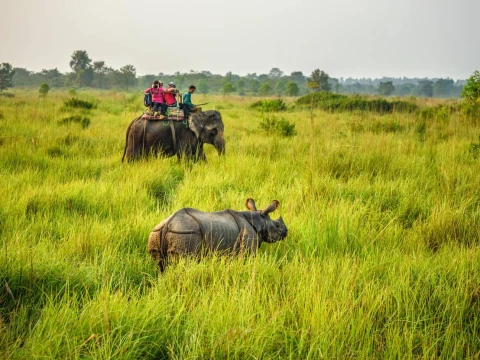
Safari options in Nepal are diverse. Jeep safaris allow access to deeper forest areas, canoe rides provide quiet observation of aquatic habitats, and elephant-back safaris offer a unique vantage point for spotting rhinos and tigers. Choosing the right safari depends on your interests, physical ability, and desired adventure level.
Safari Options:
Guided Nature Walks and Birding Tours
For travelers who prefer a slower pace, guided nature walks and birding tours offer intimate encounters with Nepal’s flora and fauna. Knowledgeable guides point out animal tracks, hidden nests, and unique plant species, creating a learning-rich experience. These tours are ideal for families, photographers, and anyone seeking a deeper connection with nature.
Night Safaris and Wildlife Photography Tips
Some of the most exciting wildlife activity happens after sunset. Night safaris in designated areas allow you to spot nocturnal species like leopards and civets. For photographers, golden hours, early mornings, and quiet hides increase the chances of capturing remarkable wildlife moments. Guides from Cross Border Travel & Tours provide tips on lighting, composition, and ethical photography practices to ensure safe and responsible observation.
Tips for a Memorable Wildlife Experience:
Nepal’s natural landscapes are not only home to incredible wildlife but also to vibrant local communities whose lives are closely tied to the land. Visitors to national parks such as Chitwan, Bardia, and Koshi Tappu can experience the daily traditions, crafts, and cuisines of the Tharu, Magar, and other indigenous groups. These cultural interactions add depth to a wildlife tour, revealing how communities coexist with nature while preserving their unique heritage.
Interacting with Local Communities near National Parks
Engaging with local communities enriches the travel experience. Tourists can participate in traditional festivals, observe agricultural practices, or learn about local handicrafts. Cross Border Travel & Tours ensures these interactions are respectful and meaningful, offering experiences that benefit both visitors and residents. These connections foster cultural appreciation and a better understanding of conservation challenges from a human perspective.
The Role of Conservation and Ecotourism in Nepal
Nepal has long recognized the importance of sustainable tourism. Ecotourism programs in national parks promote wildlife protection while providing livelihoods for local communities. By choosing responsible tours, travelers contribute directly to habitat preservation, anti-poaching efforts, and environmental education programs. Cross Border Travel & Tours integrates these initiatives into their itineraries, ensuring every wildlife adventure supports conservation goals.
Stories of Coexistence: Wildlife and People
Throughout Nepal, there are inspiring examples of how people and wildlife share the same landscapes. Farmers use traditional methods to protect crops from elephants, while community forest programs help maintain habitats for tigers and rhinos. Learning these stories during your tour adds a unique dimension to your wildlife adventure, showing that conservation is a shared responsibility.
Key Points:
Responsible travel ensures that your adventure leaves a positive impact on both the environment and local communities. Wildlife tourism in Nepal is most rewarding when conducted ethically, minimizing environmental harm while enhancing conservation efforts. Cross Border Travel & Tours provides guidance and resources to make your journey both enjoyable and sustainable.
Minimizing Your Environmental Footprint
Simple actions, such as reducing plastic use, sticking to designated trails, and avoiding single-use items, significantly reduce environmental impact. Travelers can also choose eco-friendly accommodations, reuse water bottles, and practice waste segregation during tours. These small steps help protect fragile ecosystems while setting an example for other visitors.
Supporting Local Conservation Efforts
Many tours include opportunities to contribute directly to conservation programs. Donations, volunteer activities, and purchasing locally made crafts all help sustain wildlife protection initiatives. Supporting these efforts ensures that your visit has lasting benefits beyond just sightseeing.
Responsible Wildlife Photography and Viewing
Ethical wildlife observation is essential for both safety and animal welfare. Maintaining a safe distance, avoiding loud noises, and not feeding animals are critical practices. For photographers, patience and the use of zoom lenses allow for remarkable shots without disturbing wildlife. Cross Border Travel & Tours trains guides and travelers to follow these practices rigorously.
Sustainable Travel Tips at a Glance:
A wildlife tour in Nepal is more than a vacation; it is a transformative journey. Observing Bengal tigers prowling the grasslands, listening to the calls of exotic birds, or interacting with communities that coexist with nature creates lasting memories and a profound appreciation for the planet’s biodiversity. With Cross Border Travel & Tours, your adventure is carefully crafted to be immersive, safe, and responsible.
Why a Wildlife Tour in Nepal is a Life-Changing Experience
Nepal offers rare opportunities to witness wildlife in diverse habitats while learning about conservation, culture, and ecology. This combination of adventure, education, and cultural interaction leaves travelers with a deeper awareness and inspiration. The country’s natural beauty and rich biodiversity make each visit unforgettable, fostering a lifelong connection with the environment.
Next Steps for Planning Your Adventure
By taking these steps, your adventure in Nepal becomes more than sightseeing; it becomes a meaningful journey that connects you with the natural world and its stewards.
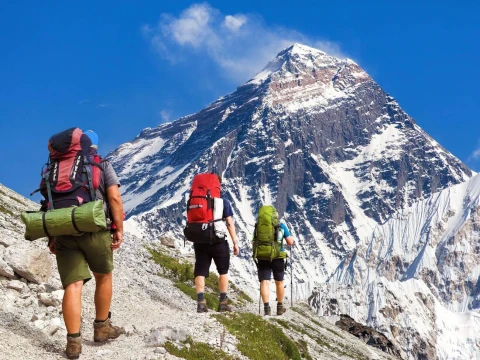
Nepal is renowned worldwide for its majestic Himalayan landscapes, but its trekking routes offer far more than breathtaking scenery. Along these trails, trekkers encounter rich cultural traditions, centuries-old architecture, vibrant festivals, and the warm hospitality of local communities. Each region in Nepal has its own distinct cultural identity
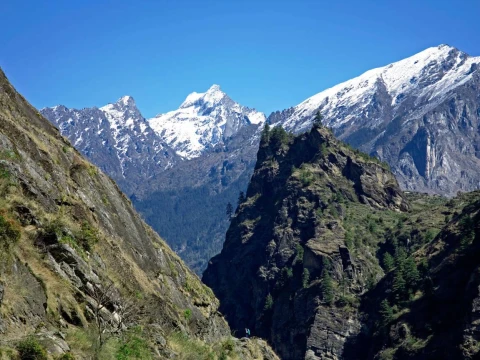
Nepal, often referred to as the “Roof of the World,” is a land of breathtaking landscapes, rich cultural heritage, and spiritual mystique. Nestled between the towering Himalayas, it is home to some of the highest peaks on Earth, including the legendary Mount Everest. From lush valleys to serene lakes and ancient temples, Nepal offers


 (2)
(2)  100% recommend (0)
 (0)
(0)